India Faces Inflation Risks if Middle East Conflict Keeps Energy Prices High: IMF
Updated: Oct 17, 2026 03:33:48pm

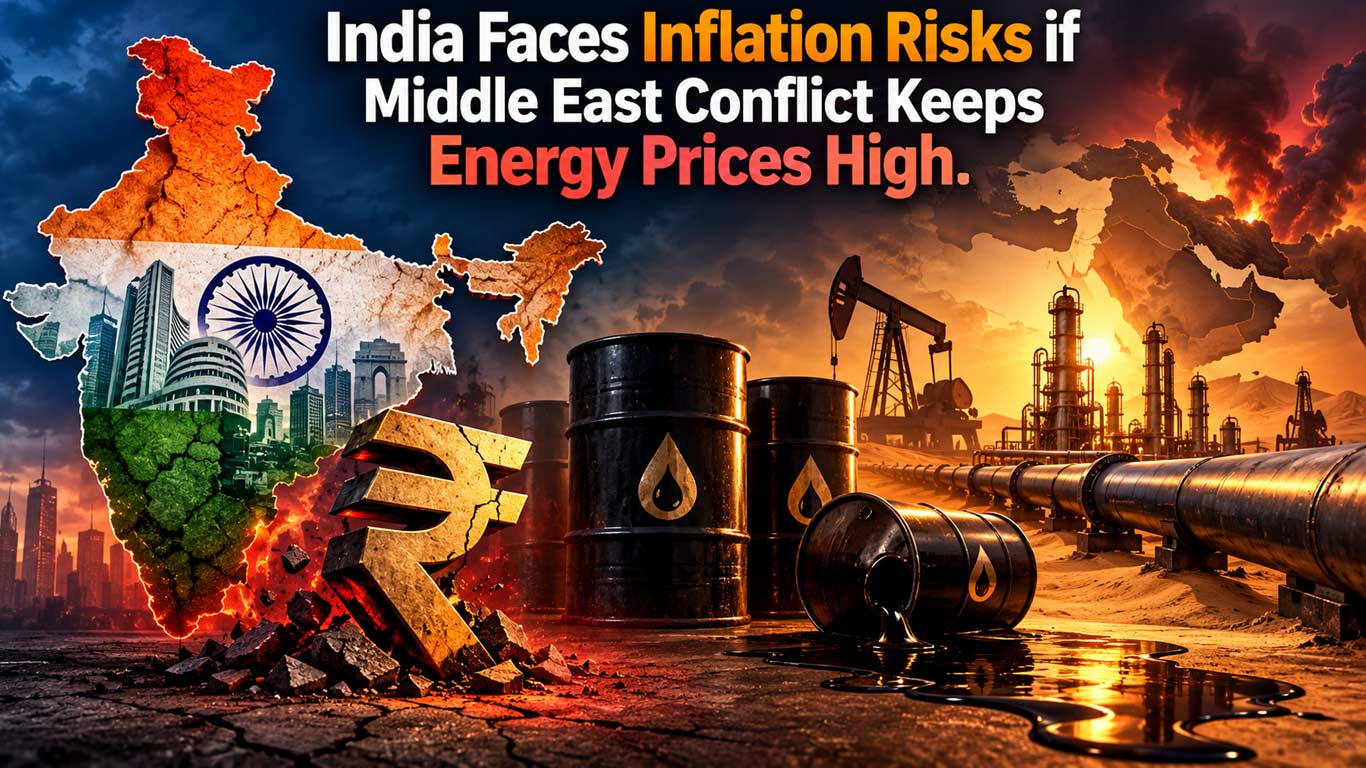
India Faces Inflation Risks if Middle East Conflict Keeps Energy Prices High: IMF
New Delhi, Oct 17 (KNN) India could face renewed inflationary pressures if the Middle East conflict keeps energy prices elevated for an extended period, the International Monetary Fund (IMF) has warned, highlighting the risks to economic growth and price stability from a prolonged energy shock.
In its October 2026 Regional Economic Outlook for Asia and the Pacific, the IMF said India had adapted to disruptions in energy markets by securing oil from alternative sources outside the Middle East, helping restore supplies to pre-conflict levels.
“For other large Asian economies (including India, Japan, and Korea), the resilience in part reflects adaptation by securing oil from alternative sources outside the Middle East,” the report said, adding that total oil flows to these countries had returned to pre-conflict rates since June, ANI reported.
However, the IMF cautioned that a prolonged conflict could sustain high energy prices, weigh on growth and increase cost-of-living pressures across the region.
Higher Fuel Costs Pose Inflation Risks
The report noted that prices of refined petroleum products, particularly diesel and jet fuel, had risen more sharply than crude oil prices following the conflict.
Sustained increases could raise transportation and production costs, affecting businesses and consumers. Higher energy prices could also worsen fiscal balances, limiting governments' ability to support vulnerable households while maintaining fiscal sustainability.
The IMF recommended targeted and time-bound support for vulnerable households rather than broad-based fuel subsidies or price controls.
“Fiscal policy should prioritize preserving sustainability while protecting vulnerable households,” the report said.
AI Investment, Tighter Financial Conditions Among Other Risks
Beyond energy markets, the IMF identified uncertainty surrounding artificial intelligence investments and tighter global financial conditions as additional risks to regional growth.
A correction in AI-related investments or asset valuations could weigh on business investment and private consumption, while higher global sovereign bond yields could spill over into regional financial markets.
India Growth Projected At 7% In 2026
The IMF projected India's economy to grow by 7 per cent in 2026, supported by private consumption and services activity.
The report said strengthening energy security, investing in digital infrastructure and skills, and maintaining price stability would be important for building resilience against future disruptions.
It added that the ability of economies to manage external shocks while preserving macroeconomic stability would be critical to sustaining growth momentum.
(KNN Bureau)







 Loading...