India Faces Near-Term Risks From US Ties, Energy Markets And AI Gap: CEA
Updated: Sep 26, 2026 02:24:29pm

India Faces Near-Term Risks From US Ties, Energy Markets And AI Gap: CEA
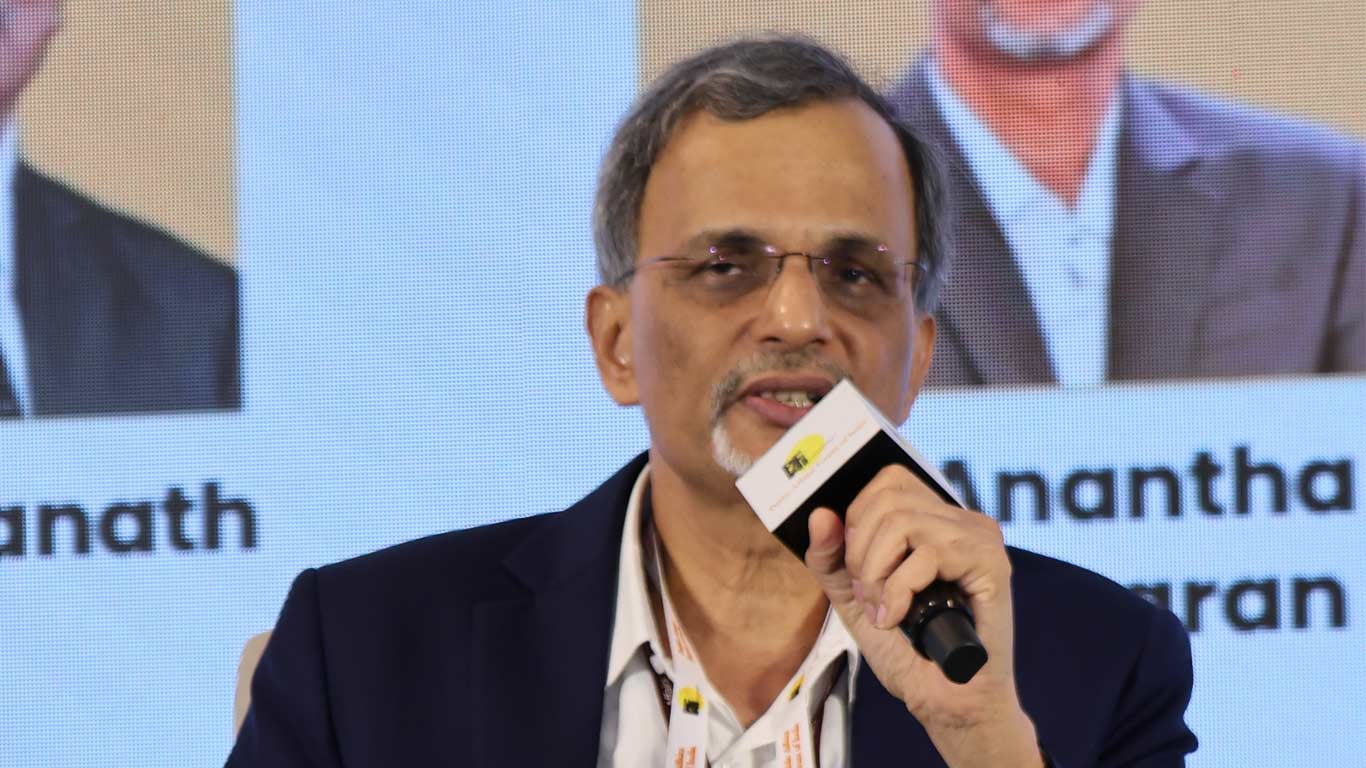
New Delhi, Sep 26 (KNN) Unsettled relations with the US, uncertainty in global energy markets and the absence of a strong artificial intelligence (AI) ecosystem are among the key near-term headwinds for India, Chief Economic Adviser V Anantha Nageswaran said.
Speaking at an event organised by the Public Affairs Forum of India, Nageswaran said India needs to build strategic buffers, diversify partnerships and work with foreign companies that possess strengths in critical technologies such as AI.
US Ties May Affect Capital Flows
Nageswaran said uncertainty in India-US relations could affect capital flows, particularly portfolio investment, amid rising trade restrictions, sanctions and tariffs globally, reported Business Standard.
He said India cannot afford to choose between competing geopolitical blocs given its size and geography, making ‘hedging’ necessary despite the associated costs.
He also cautioned that higher bond yields in advanced economies could make emerging markets less attractive to investors and put pressure on capital mobilisation.
Energy Security Requires Strategic Buffers
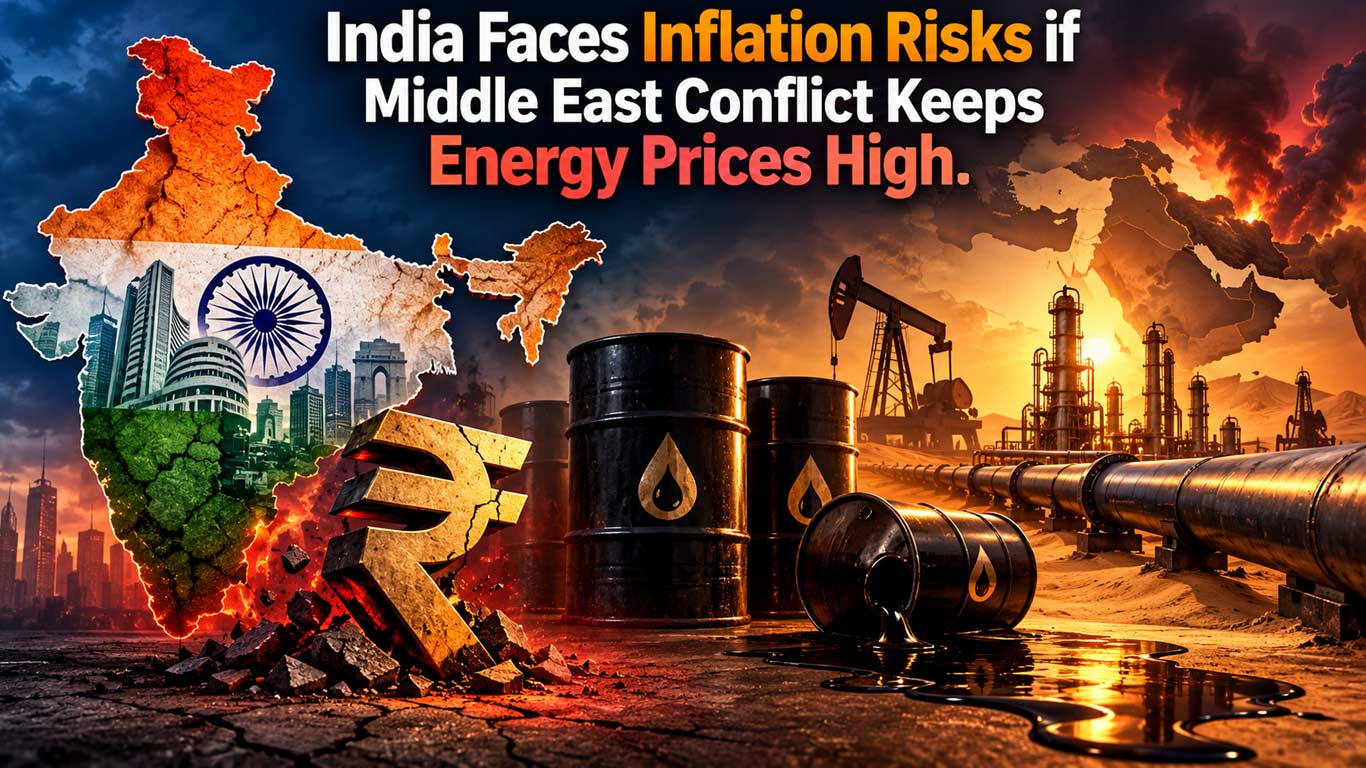
The CEA said energy risks extend beyond crude oil prices to availability, freight and insurance costs. Rising prices of copper, silver and polysilicon could also increase the cost of India's renewable energy transition.
He noted that India imports 90-97 per cent of its copper concentrate and argued that strategic supplies equivalent to six to nine months of consumption could provide a buffer against global disruptions, although such reserves would require fiscal resources.
India Needs Global Technology Partnerships
On AI and advanced technologies, Nageswaran said India need not produce the most complex products but should identify critical products and build the capability to manufacture them at global scale.
He suggested acquiring stakes in intellectual property, pursuing technology-transfer agreements or collaborating with specialised companies in Japan, Germany and Western Europe that supply critical components to semiconductor and AI ecosystems.
He also stressed the need for greater manufacturing, exports and foreign direct investment as India's imports are likely to rise alongside economic growth.
Demographic Dividend Not Guaranteed
Nageswaran cautioned that India cannot take its demographic dividend for granted, citing changing skill requirements and pressures affecting young people's physical and mental well-being.
On AI, he said India is developing innovative approaches to regulation but acknowledged that its intellectual property ecosystem still needs strengthening. He added that India's work on Edge AI applications could look substantially different over the next year.
(KNN Bureau)





 Loading...