India To Remain Fastest-Growing Major Economy In FY26: RBI Bulletin
Updated: Jan 22, 2026 01:11:29pm

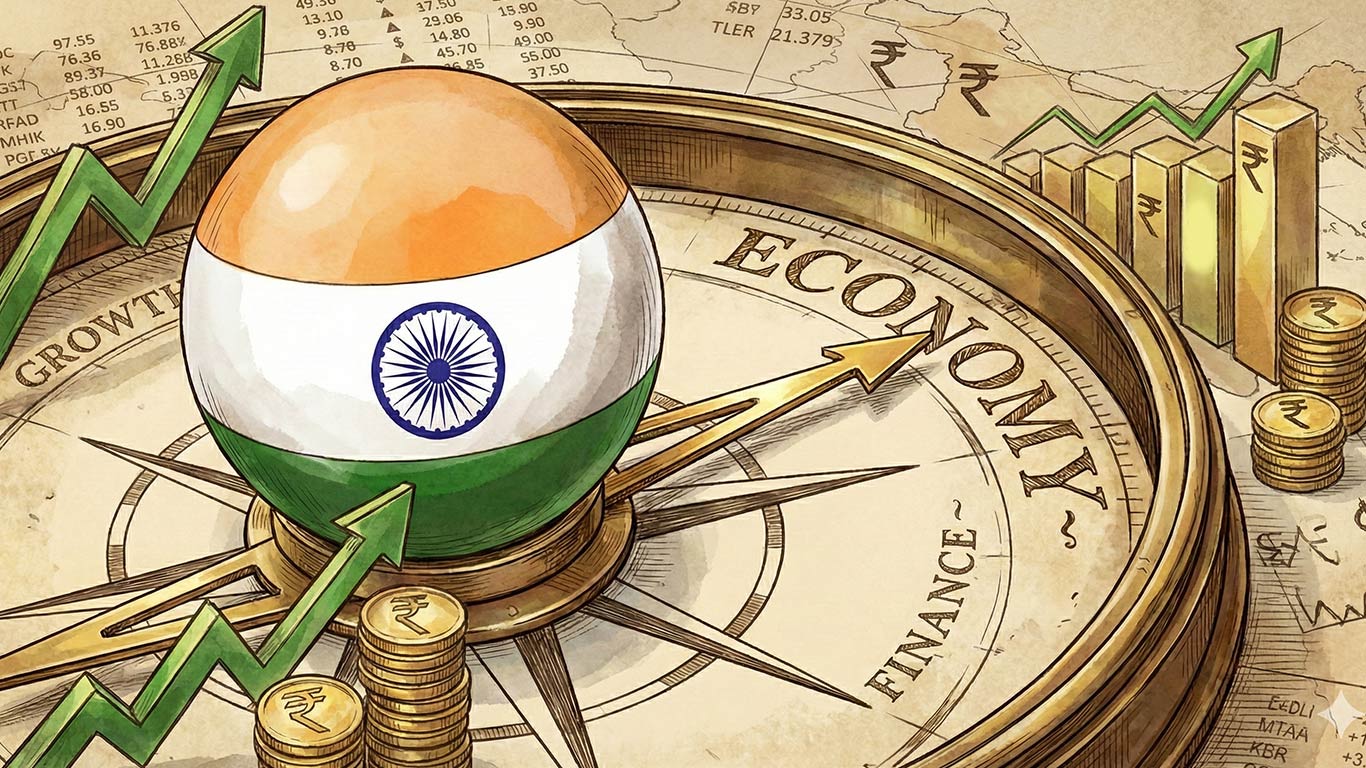
India To Remain Fastest-Growing Major Economy In FY26: RBI Bulletin
New Delhi, Jan 22 (KNN) The first advance estimates for 2025–26 show the Indian economy’s resilience, led by domestic drivers despite global challenges, as per an article in Reserve Bank of India’s January bulletin.
The State of the Economy article noted that December’s high-frequency indicators signalled sustained growth momentum and upbeat demand.
The RBI projected real GDP growth at 7.4 percent in 2025–26, up from 6.5 percent a year earlier, making India the fastest-growing major economy. The stronger outlook is driven by a rebound in manufacturing and continued momentum in services, boosting gross value added.
Domestic Demand Remains the Key Growth Driver
The RBI bulletin said domestic demand remains strong, aided by a revival in rural demand and a gradual pickup in urban consumption. Private consumption and investment continue to anchor growth, supporting economic resilience amid ongoing global headwinds.
On inflation, the RBI said headline CPI rose to 1.3 percent in December but remained below the lower tolerance band for the fourth straight month. The increase was due to easing food deflation and a rise in core inflation, largely driven by precious metal prices.
Downside Risks and External Vulnerabilities
The RBI highlighted downside risks to growth from heavy exposure to US markets, uncertainty over stalled India–US trade talks, and rupee depreciation.
It noted renewed equity market pressure after fresh US tariff warnings, firmer government bond yields amid reduced rate-cut expectations, and brief liquidity tightness in the banking system in late December.
The RBI warned that ongoing conflicts and rising geopolitical tensions, particularly in the Middle East, are heightening geo-economic risks and fuelling volatility in global markets, keeping the growth outlook skewed to the downside.
Strengths, Weaknesses and Structural Reform Opportunities
Reviewing the broader macroeconomic picture, the RBI pointed to India’s strengths such as resilience to global shocks, strong domestic demand, a buoyant services sector, and improved bank asset quality with healthy capital buffers.
It also flagged challenges including pressure on merchandise exports from high US tariffs, net exports dragging growth, and nominal GDP growth falling to a five-year low.
Reform Agenda and Long-Term Growth Enablers
The RBI bulletin highlighted GST rationalisation and labour code reforms as key levers for medium-term growth, alongside the clean energy transition and trade talks with about 50 countries.
It also cited initiatives such as the SHANTI Bill and the Nuclear Energy Mission, which targets 100 GW of nuclear capacity by 2047, as long-term growth drivers.
The RBI urged banks and NBFCs to balance innovation with stability, stressing consumer protection. It called on regulated entities to follow prudent regulatory practices and build resilience to absorb losses in adverse scenarios, as indicated by macro stress tests, to support sustainable long-term growth.
(KNN Bureau)










 Loading...