India’s Private Consumption Seen Near USD 1.9 Trillion By 2030: FICCI-Deloitte
Updated: Aug 05, 2026 03:02:54pm

India’s Private Consumption Seen Near USD 1.9 Trillion By 2030: FICCI-Deloitte
New Delhi, Aug 5 (KNN) India’s private consumption is projected to reach nearly USD 1.9 trillion by 2030, driven by rising disposable incomes, urbanisation, a growing middle class, expanding internet penetration and a strong digital payments ecosystem, according to a FICCI-Deloitte report.
India’s Private Consumption Seen Near USD 1.9 Trillion By 2030
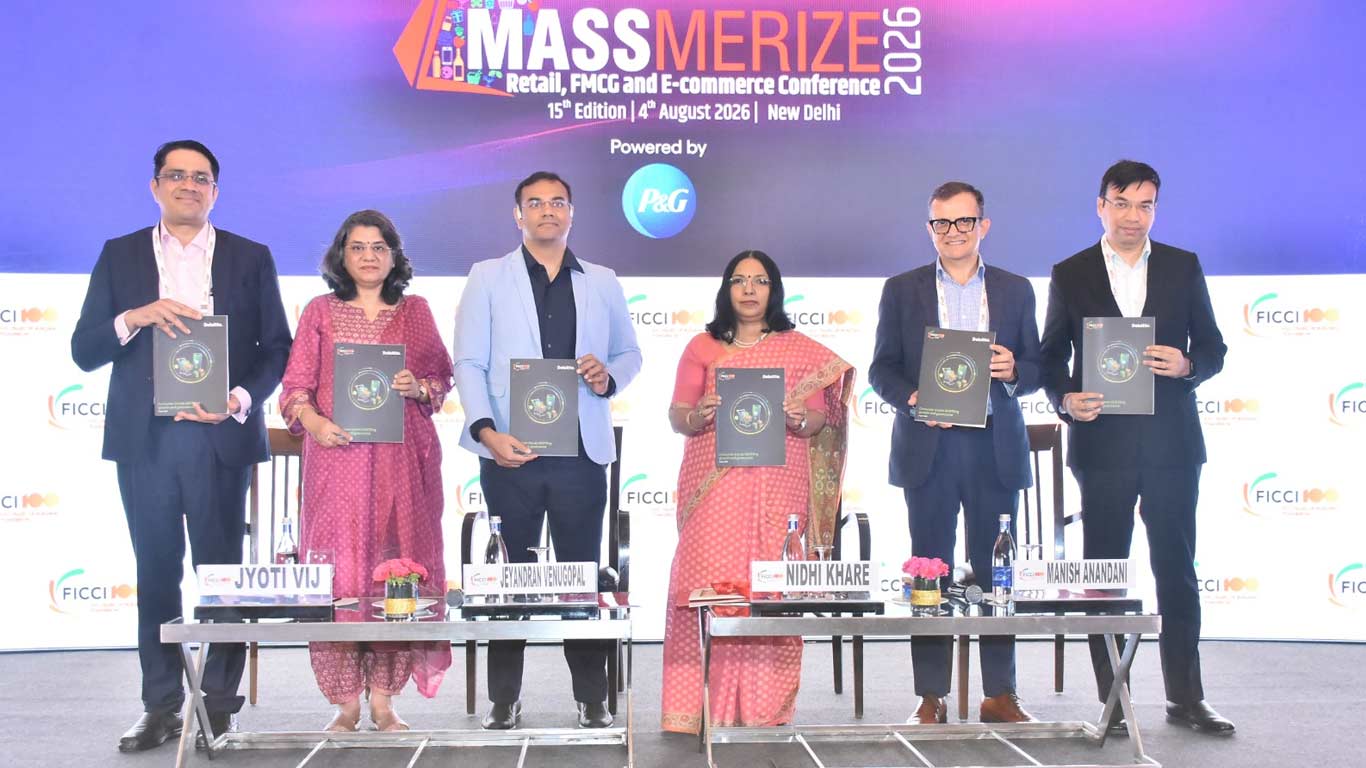
The report, ‘Consumer Trends: IGNITEing Growth and Governance’, released at FICCI MASSMERIZE 2026, said demographic changes, rising incomes and evolving consumer expectations are reshaping India’s consumption landscape.
India has more than one billion internet subscribers and recorded 228 billion UPI transactions worth around USD 3.6 trillion in 2025, it noted.
Consumers Shift Beyond Price To Health, Transparency
Consumers are shifting beyond price-led buying, with greater focus on health, wellness, transparency and social issues.
The report said FMCG, retail and e-commerce businesses must navigate regulations on product quality, safety, labelling, consumer protection, environment, digital commerce and data governance.
India ranks first among the top 15 countries in AI adoption, with businesses using it for consumer engagement, product innovation, demand forecasting and supply-chain management.
AI Drives E-Commerce, Quick-Commerce Growth
AI is also accelerating the convergence of retail, e-commerce and quick commerce. India’s e-commerce market is projected to approach USD 260 billion by 2030, while the quick-commerce segment is expected to reach USD 50 billion, reflecting rising demand for faster, seamless and personalised shopping experiences.
Health, Sustainability Shape Consumer Choices
The report said 74 percent of consumers check ingredient or nutritional information before buying, while 63 percent consider formulations and ingredients. About 52 percent have switched brands for better health and transparency.
Sustainability is also influencing 67 percent of consumers, while companies are using AI-enabled forecasting, intelligent planning and diversified sourcing to strengthen supply-chain resilience.
Government To Introduce Improvement Notices For Minor Violations
Consumer Affairs Secretary Nidhi Khare said stronger quality standards are vital amid rising consumer complaints.
The government will issue Improvement Notices under the Legal Metrology Act, allowing manufacturers and retailers to rectify minor violations before compounding.
‘Smart Standards’ are being developed to reduce compliance burdens, while AI and robotics in testing aim to boost capacity, accuracy and traceability and lower costs for MSMEs.
(KNN Bureau)









 Loading...