Infrastructure, Manufacturing, Defence & MSMEs Key Focus Sectors In Budget 2026–27: FICCI Survey
Updated: Jan 22, 2026 05:25:03pm


Infrastructure, Manufacturing, Defence & MSMEs Key Focus Sectors In Budget 2026–27: FICCI Survey
New Delhi, Jan 22 (KNN) The Federation of Indian Chambers of Commerce and Industry (FICCI) has released its Pre-Budget Survey 2026–27, highlighting strong industry optimism and outlining key policy priorities ahead of the forthcoming Union Budget.
Nearly 80 per cent of respondents expressed confidence in India’s growth outlook, with around half expecting GDP growth to remain in the 7–8 per cent range in FY 2026–27, underscoring faith in the economy’s medium-term fundamentals despite global uncertainties.
Reflecting support for fiscal discipline, about 42 per cent of respondents expect the government to meet the fiscal deficit target of 4.4 per cent of GDP in FY 2025–26, reinforcing confidence in the fiscal consolidation path.
Key Budget Priorities Identified
The survey identified three core macroeconomic priorities for the Union Budget 2026–27: job creation, sustained infrastructure spending, and stronger export support. Infrastructure, manufacturing, defence and MSMEs were highlighted as key focus sectors.
Industry called for continued emphasis on manufacturing and capital expenditure, including the creation of a mega electronics industrial cluster to co-locate OEMs, EMS firms and component suppliers.
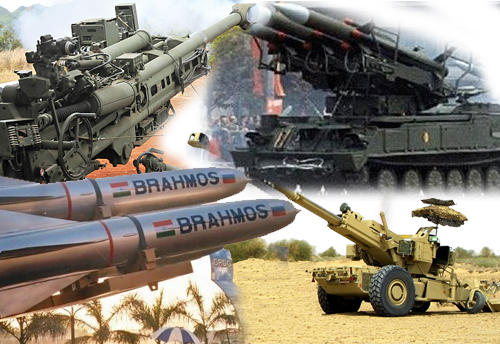
On defence, respondents urged the government to raise the share of capital outlay to 30 per cent of defence allocations to support modernisation, including UAVs, counter-UAV systems, electronic warfare and AI-enabled capabilities. They also recommended enhancing the Drone PLI outlay to Rs 1,000 crore and setting up a Rs 1,000 crore Drone R&D Fund.
Export Support and Trade Facilitation
Amid rising global trade frictions and uncertainty over tariffs and non-tariff barriers such as CBAM and deforestation-linked regulations, industry expectations for export support were pronounced.
Respondents stressed the need to streamline trade facilitation and customs procedures, reduce logistics and port bottlenecks, and strengthen export incentive and refund mechanisms.
The survey recommended enhanced allocations under the RoDTEP scheme, reforms in SEZ policy, and further rationalisation of customs tariffs by converging rate slabs to three levels to simplify compliance and improve certainty.
Tax Reforms and Ease of Compliance
On the direct tax front, industry expectations centred on simplifying compliance through digitisation, ensuring tax certainty, and improving dispute resolution and litigation management.
(KNN Bureau)








 Loading...