RBI Financial Stability Report Thumps-up Low NPAs, Strong Bank Health; Red Flags Global Volatility Risk
Updated: Jul 01, 2025 04:26:47pm

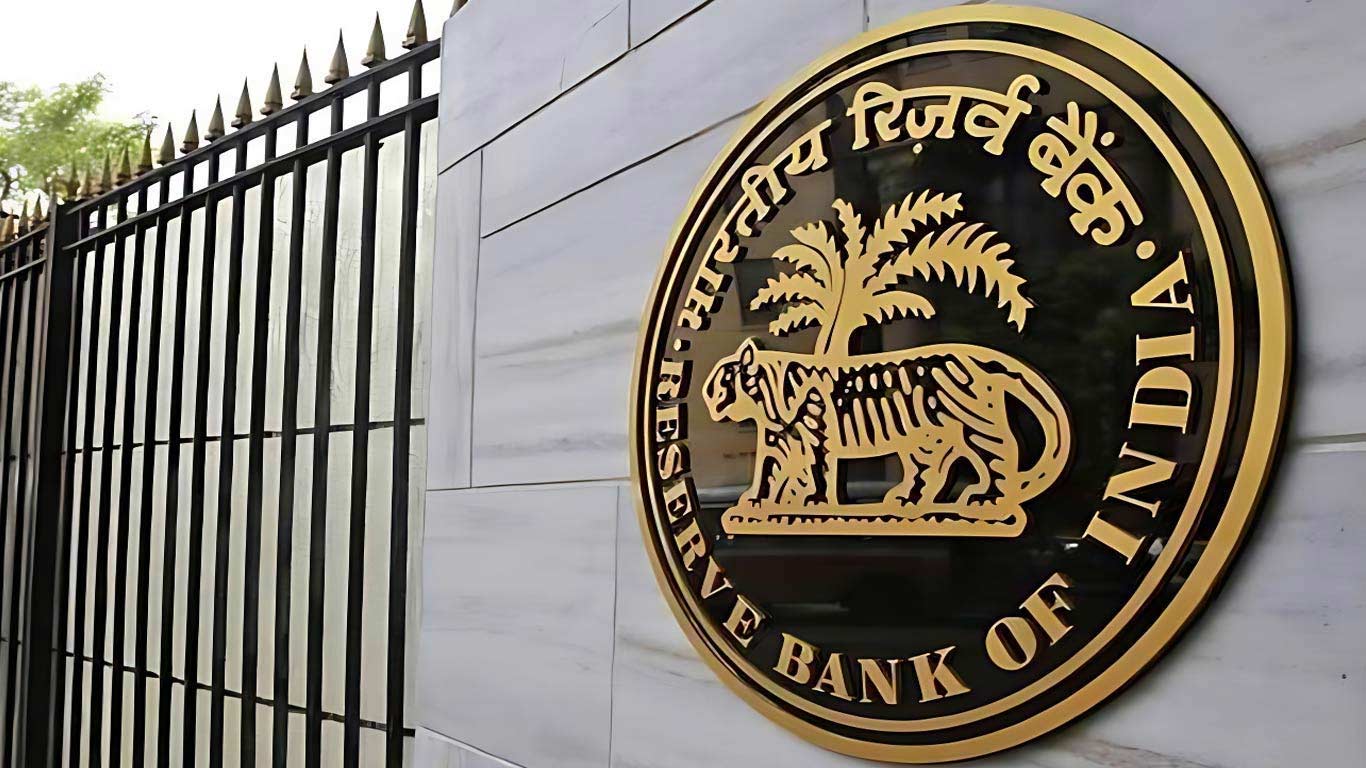
RBI Financial Stability Report Thumps-up Low NPAs, Strong Bank Health; Red Flags Global Volatility Risk
New Delhi, July 1 (KNN) The Indian economy continues to expand at a robust pace, reinforcing its role as a key contributor to global growth, according to the Reserve Bank of India’s latest Financial Stability Report (FSR) released on Monday.
The central bank attributed this resilience to sound macroeconomic fundamentals and prudent policy interventions, even as global economic and financial conditions remain volatile.
“Despite an uncertain and challenging global economic backdrop, the Indian economy remains a key driver of global growth,” the RBI said in its biannual assessment.
However, it flagged elevated global economic and trade policy uncertainties, warning that they are testing the resilience of financial systems worldwide.
Volatility in financial markets—especially in core government bond markets—alongside structural vulnerabilities such as high public debt and inflated asset valuations, could amplify external shocks, the report noted.
On the domestic front, the central bank affirmed that India’s financial system remains stable.
The health of bank and non-bank financial institutions has been supported by strong balance sheets, accommodative monetary policy, and relatively low market volatility.
Corporate sector strength, reflected in improved financial metrics, has also contributed to macroeconomic stability.
Scheduled Commercial Banks (SCBs), in particular, have shown improved soundness, backed by robust capital adequacy, a multi-decade low in non-performing asset (NPA) ratios, and steady earnings performance.
Stress test simulations conducted by the RBI indicate that SCBs are likely to maintain capital levels well above regulatory thresholds even under adverse scenarios.
Urban cooperative banks (UCBs) have also improved their capital positions, while non-banking financial companies (NBFCs) remain well-capitalised.
Insurance firms—both life and non-life—continue to report solvency ratios above minimum regulatory requirements.
Additionally, stress testing of mutual funds and clearing corporations affirmed their capacity to withstand financial shocks.
Geopolitical tensions, capital flow volatility, and potential trade disruptions were identified as key near-term risks for India’s financial sector.
The RBI concluded that while domestic fundamentals are strong, continued vigilance is necessary to navigate evolving global uncertainties.
(KNN Bureau)








 Loading...