India Raises WTO Concerns Over Legal Framework Of Proposed E-Commerce Agreement
Updated: Jul 11, 2026 11:56:57am

India Raises WTO Concerns Over Legal Framework Of Proposed E-Commerce Agreement
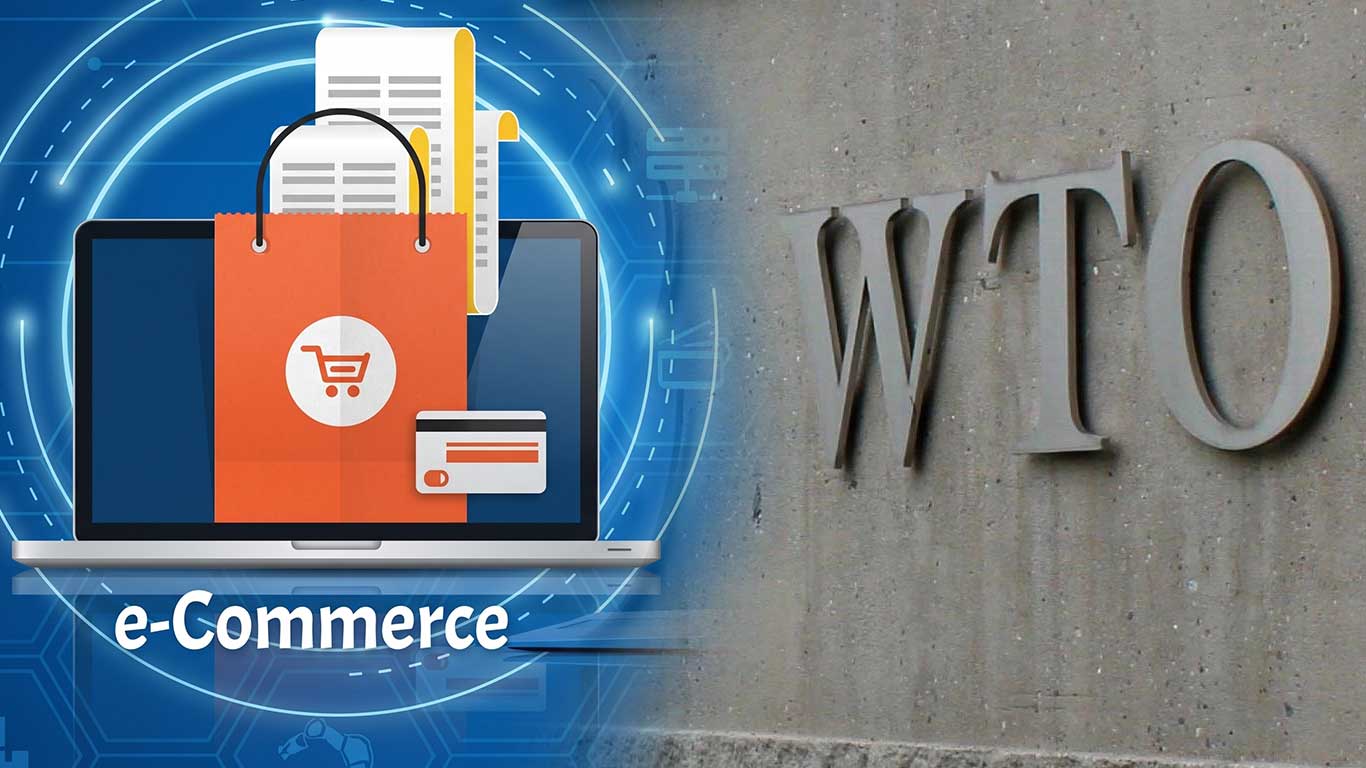
New Delhi, Jul 11 (KNN) India has raised concerns at the World Trade Organization (WTO) over the institutional and legal framework supporting a proposed e-commerce agreement negotiated by a group of member countries, questioning its implementation without the consensus required under WTO rules.
India Seeks Clarity On E-Commerce Agreement Framework
In a communication circulated to WTO members on July 8, India sought clarification on the interim arrangements adopted by 66 countries to operationalise the Agreement on Electronic Commerce (ECA), negotiated under the Joint Statement Initiative (JSI) launched during the WTO's 11th Ministerial Conference in 2017.
The intervention follows a declaration issued by participating countries at the WTO's 14th Ministerial Conference in March outlining interim arrangements for implementing the agreement. On June 10, WTO Director-General Ngozi Okonjo-Iweala circulated the ECA text to members.
Questions Raised Over WTO Director-General’s Role
India questioned the legal basis for the WTO Director-General to act as the depositary of the agreement, noting that the Marrakesh Agreement authorises this role only for WTO agreements and Annex 4 plurilateral agreements, reported The Hindu.
Since the ECA has not been incorporated into Annex 4, India sought clarification on the authority under which the Director-General is receiving instruments of acceptance.
Concerns Over Use Of WTO Institutional Resources
The submission also raised concerns over the use of WTO Secretariat resources to support the agreement, including servicing its institutional functions, dispute settlement mechanism, and the proposed E-Commerce Committee, which is expected to report annually to the WTO General Council.
India noted that proposals to include the agreement in Annex 4 of the Marrakesh Agreement failed to secure consensus in the WTO General Council in February and December 2025, and questioned the institutional basis for the interim arrangements in the absence of member-wide approval.
Expert Warns Of Implications For WTO Governance
Trade expert Abhijit Das said India had raised an important systemic issue regarding the WTO Director-General assuming responsibilities not provided for under the Marrakesh Agreement.
He argued that permitting such arrangements without consensus could weaken the WTO's rule-based and member-driven framework.
India has consistently maintained that agreements negotiated by a subset of WTO members cannot become part of the organisation's institutional architecture without consensus, warning that bypassing this principle could undermine the multilateral character of the WTO.
(KNN Bureau)







 Loading...