Aluminium Product Manufacturers Seek Zero Customs Duty on Primary Metal in Budget 2027-28 to Support MSMEs
Updated: Nov 23, 2026 12:59:40pm

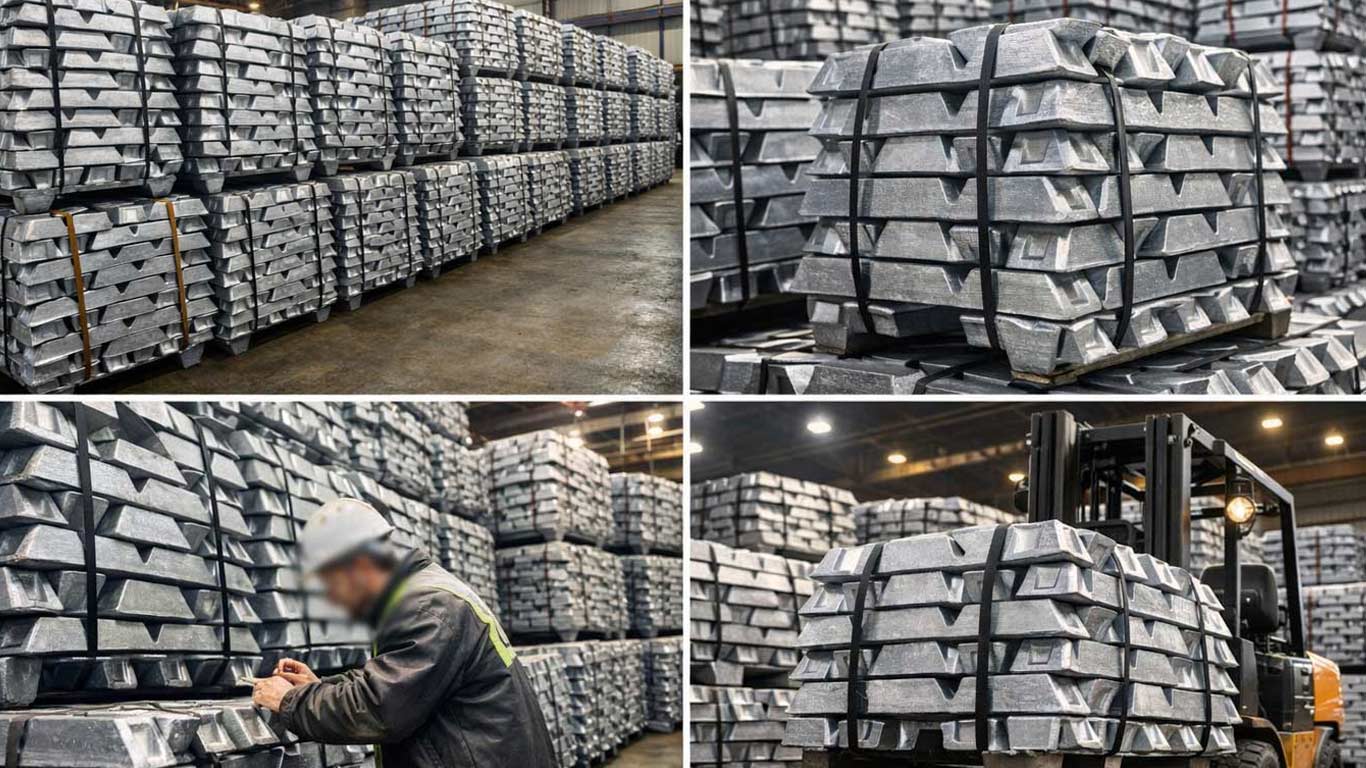
Aluminium Product Manufacturers Seek Zero Customs Duty on Primary Metal in Budget 2027-28 to Support MSMEs
New Delhi, Nov 23 (KNN) Aluminium product manufacturers have urged the government to eliminate customs duty on primary aluminium in the Union Budget 2027-28, saying the move would lower input costs, support micro, small and medium enterprises (MSMEs) and improve the competitiveness of domestic manufacturers.
The Aluminium Extrusion Manufacturers Association of India (ALEMAI), in a letter to Finance Minister Nirmala Sitharaman, has sought a reduction in the basic customs duty on primary aluminium under tariff heading 7601 from 7.5 per cent to zero. The current levy translates into an effective import duty of 8.25 per cent, including the social welfare surcharge.
“We respectfully request the government in the forthcoming Union Budget...the basic customs duty on primary aluminium under tariff heading 7601 (be reduced) from 7.5 per cent to 0 per cent,” the letter said, PTI reported.
The manufacturers' body noted that the proposed measure would strengthen downstream manufacturing, encourage domestic value addition, improve export competitiveness and expand aluminium consumption.
Input Cost Disadvantage for Downstream Manufacturers
India has a globally competitive primary aluminium industry and significant potential to increase domestic consumption. However, the downstream sector, which comprises a large number of MSMEs, faces a structural cost disadvantage due to the duty on primary aluminium, its principal raw material, ALEMAI said.
As domestic primary aluminium prices are linked to international prices and import-parity considerations, customs duty on imported metal also influences domestic price benchmarks.
The issue has also been recognised in the Ministry of Mines' Vision Document on Aluminium Sector 2025. The document estimates that India's downstream sector paid approximately USD 470 million more than necessary to domestic primary aluminium producers in 2022 due to import-parity pricing, affecting the sector's growth and investment.
The association said higher raw material costs particularly affect MSMEs, where inputs account for a substantial share of manufacturing expenses. These costs constrain margins, capacity utilisation and investment, while weakening manufacturers' ability to compete in domestic and international markets.
Import Competition and Inverted Duty Structure
Downstream manufacturers are also facing competition from finished and semi-finished aluminium products imported at preferential or zero-duty rates under India's free trade agreements (FTAs).
This creates an inverted duty structure, with domestic manufacturers paying higher prices for raw materials while competing against imported products entering the country at lower or zero tariff rates.
ALEMAI said rationalising customs duty on primary aluminium would address this disadvantage, reduce input costs for downstream manufacturers, improve MSME export competitiveness and strengthen domestic manufacturing and value addition.
(KNN Bureau)





 Loading...