Energy Security Risks Go Beyond Imports As Fossil Fuel Dependence Exposes India: CEEW Study
Updated: Jun 19, 2026 03:30:44pm

Energy Security Risks Go Beyond Imports As Fossil Fuel Dependence Exposes India: CEEW Study
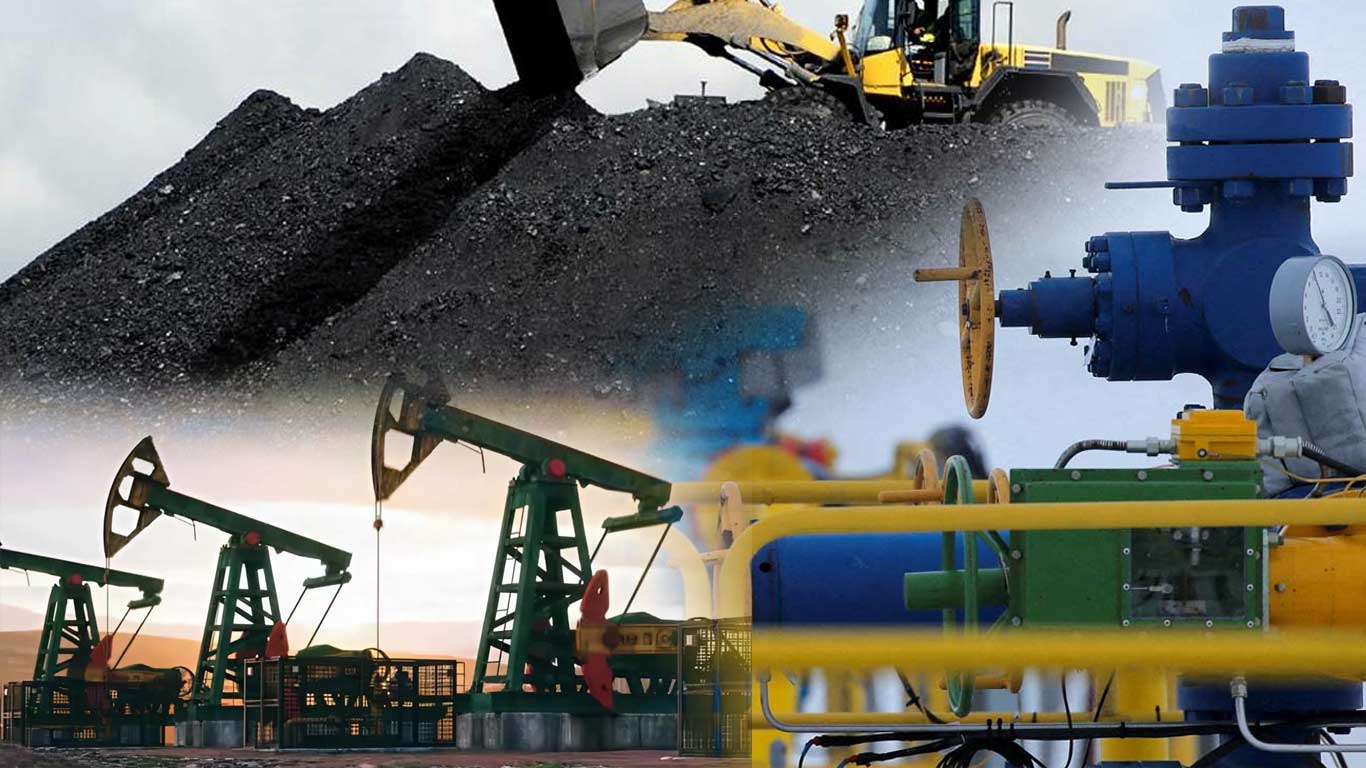
New Delhi, Jun 19 (KNN) India's energy security challenge extends well beyond the volume of coal, oil and gas it imports, with the deeper risk lying in a fossil fuel system exposed across concentrated suppliers, vulnerable shipping routes, limited reserves and refinery constraints, according to a new study by the Council on Energy, Environment and Water (CEEW).
The study, titled ‘How Secure is India's Energy Future? Assessing Accessibility, Reliability, and Affordability’, found that India imported 88 per cent of its crude oil, nearly 48 per cent of its natural gas and about 26 per cent of its coal in 2024, with fossil fuels accounting for over 28 per cent of the country's total import bill in 2024-25.
CEEW assessed India's energy security across three lenses — accessibility, reliability and affordability — and found risks now spread across households, industry, public finances, inflation and strategic autonomy.
Hemant Mallya, Fellow, CEEW, said that while India has strengthened energy access, diversified supplies and scaled clean energy, the next phase of energy security must move beyond securing fossil fuels towards a clear transition plan, including optimising gas system utilisation, accelerating viable electric vehicle adoption and electrifying industry.
Crude Oil: Concentrated Suppliers and Refinery Constraints
The study found that over 85 per cent of India's crude imports come from just six countries, including Russia and West Asian nations, limiting flexibility during supply shocks. This is compounded by refinery configurations that restrict the range of crude grades India can process economically.
CEEW recommended diversifying long-term crude sourcing to suppliers such as Brazil, Guyana and West Africa, alongside refinery modernisation.
India's strategic petroleum reserves were found to cover only 9-10 days of net crude imports, with a further 64 days of cover through refinery operational stocks — significantly lower than Japan's roughly 200 days and South Korea's roughly 207 days.
The study noted that India's gas imports, nearly half of total supply, have no dedicated strategic storage, leaving fertiliser plants and city gas networks exposed.
LPG and Cooking Gas Exposure
The study highlighted that nearly 95 per cent of India's LPG supply — used by over 330 million households — depends on imports, either directly or through domestically produced LPG reliant on imported crude.
CEEW noted that as petrol demand peaks by 2032 and declines thereafter, refineries could convert resulting excess naphtha into LPG, reducing import dependence, though risks remain until refinery configurations are realigned.
Gas Affordability
On affordability, the study found that if the share of imported gas in city gas distribution rises from 15 per cent to 50 per cent, CNG prices could increase by 15-17 per cent under high global price conditions, weakening its role as an affordable transport fuel.
CEEW recommended increasing the share of hub-indexed LNG contracts to reduce exposure to crude-linked price volatility.
Suggestions
The study recommended five immediate priorities: mandating and commercialising strategic oil, gas and LPG reserves; accelerating EV adoption and LNG use for heavy freight where commercially viable; preparing a national refinery transition plan; and promoting electric cooking to reduce LPG import dependence.
(KNN Bureau)







 Loading...


