‘Fragmented’ Water Governance Puts India At Risk Of Prolonged Shortages: Moody’s
Updated: Jun 23, 2026 05:26:13pm

‘Fragmented’ Water Governance Puts India At Risk Of Prolonged Shortages: Moody’s
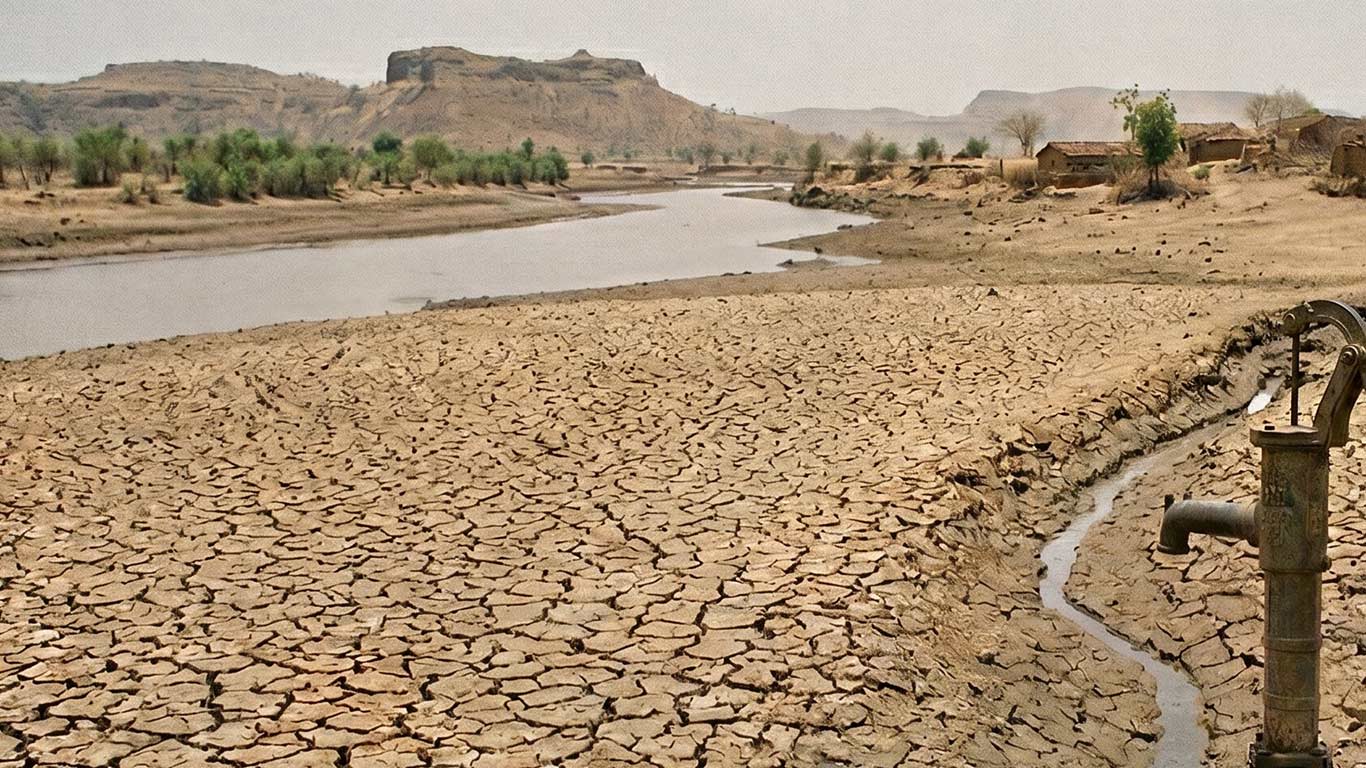
New Delhi, Jun 23 (KNN) India's water governance structure is characterised by dispersed administration, weak pricing flexibility and slow reallocation of water across sectors — conditions that raise the risk of prolonged shortages and sustained fiscal pressure, Moody's Ratings has said in a report on water allocation framework.
The global rating agency in its report classified India's approach as ‘fragmented or inflexible’, noting that such frameworks can result in more prolonged shortages, higher costs, greater industrial disruptions and persistent credit strain, PTI reported.
Water governance in India is spread across more than 28 states, with management and policy largely controlled by individual state governments.
Subsidised Pricing and Structural Gaps
Moody's noted that water pricing in India is heavily subsidised, particularly for agriculture, which accounts for around 80 per cent of the country's freshwater consumption.
Reallocation of water among sectors is slow, and many regions lack the resources to invest in necessary infrastructure.
The agency said allocation frameworks — which govern how water supply is prioritised, priced and distributed across households, industry and agriculture — are becoming an increasingly important determinant of economic resilience in water-stressed systems, as they shape how quickly supply stress translates into fiscal pressure.
Data Centres Add to Demand Pressure
Moody's also flagged rapidly growing water demand from data centres, driven by the expansion of cloud computing and artificial intelligence, as an additional source of water-intensive industrial pressure that governments and utilities will need to accommodate.
Climate Exposure Compounds the Risk
Citing findings from the World Resources Institute, Moody's said India has high credit exposure to heat stress, flooding and monsoon variability. Its water management category carries very high credit exposure, driven by ageing infrastructure and excessive groundwater depletion.
(KNN Bureau)








 Loading...