India, Asian Oil Importers May Negotiate Bilateral Transit With Iran: Moody’s Ratings
Updated: May 18, 2026 12:41:05pm

India, Asian Oil Importers May Negotiate Bilateral Transit With Iran: Moody’s Ratings
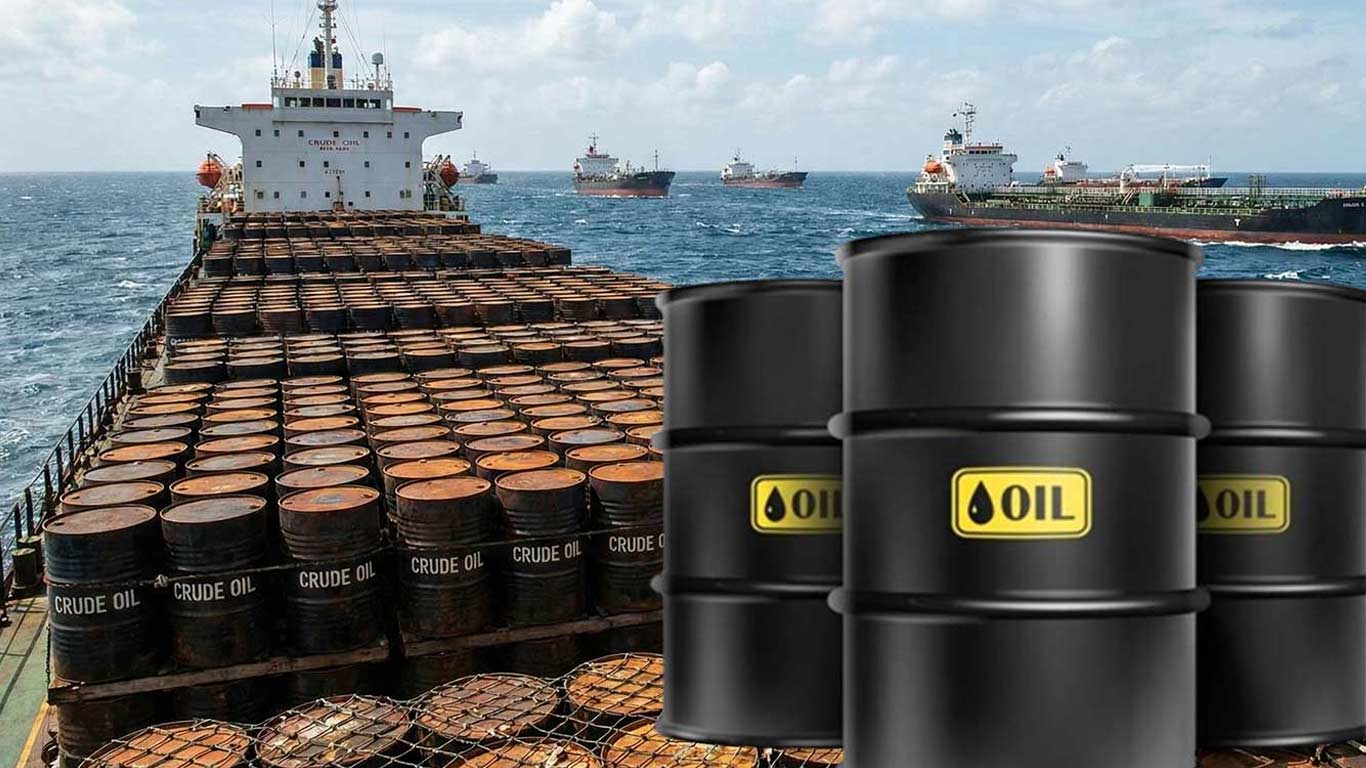
New Delhi, May 18 (KNN) The closure of the Strait of Hormuz has become a structural constraint on global energy flows rather than a temporary supply shock, with maritime traffic through the waterway having fallen more than 90 per cent from pre-conflict levels, Moody's Ratings said in its global geopolitical risk report.
The ratings agency said there is little prospect of a swift and durable settlement between the United States and Iran, and consequently no early prospect of the Strait's full reopening. It expects disruptions to continue through autumn.
Bilateral Corridors, Not a General Reopening
Moody's said, "We expect oil importers -- particularly China, India, Japan and Korea -- to negotiate passage bilaterally with Iran, potentially through coordinated transit corridors such as those reportedly emerging near Larak Island and through Omani territorial waters... A return to pre-conflict traffic volumes in 2026 is unlikely," PTI reported, citing the report.
However, the agency cautioned that this process would be slow, opaque, and subject to interruption, and that a return to pre-conflict traffic volumes in 2026 is unlikely.
Shipping activity through the Strait has been curtailed by risk aversion, elevated insurance costs, and the presence of sea mines since the conflict — triggered by US and Israeli joint air strikes on Iran — entered its third month.
Energy Prices and Growth Impact
"We now expect Brent crude in the $90-110/bbl range for much of this year, with significant volatility, including occasional fluctuations outside this range in response to new developments," the report noted.
Even if safe passage were to resume within six months, the oil market would remain supply-constrained with persistently higher and more volatile energy prices, the agency said.
At sustained prices in the USD 90–110 range, Moody's estimates real GDP growth reductions of 0.2 to 0.8 percentage points across several major economies. India's 2026 calendar year GDP growth forecast has been cut by 0.8 percentage points to 6 per cent in Moody's May Global Macro Outlook.
India's Outsized Exposure
Moody's highlighted, "India is among the most exposed, given around 46 per cent of its crude oil imports come from the Middle East, its sensitivity to currency depreciation and pressure on its current account and fiscal management."
The agency revised its inflation forecast for India upward by one percentage point to 4.5 per cent for 2026.
Broader Macro Consequences
Moody's warned that persistently higher energy prices will feed into both headline and core inflation globally, adding that, "this will complicate the path for monetary policy across major economies, raise production costs across energy-intensive sectors, erode household purchasing power and tighten financing conditions for exposed borrowers."
(KNN Bureau)







 Loading...