India Must Reduce Import Dependence, Especially On Oil And Gas: Shaktikanta Das
Updated: Sep 30, 2026 03:50:14pm

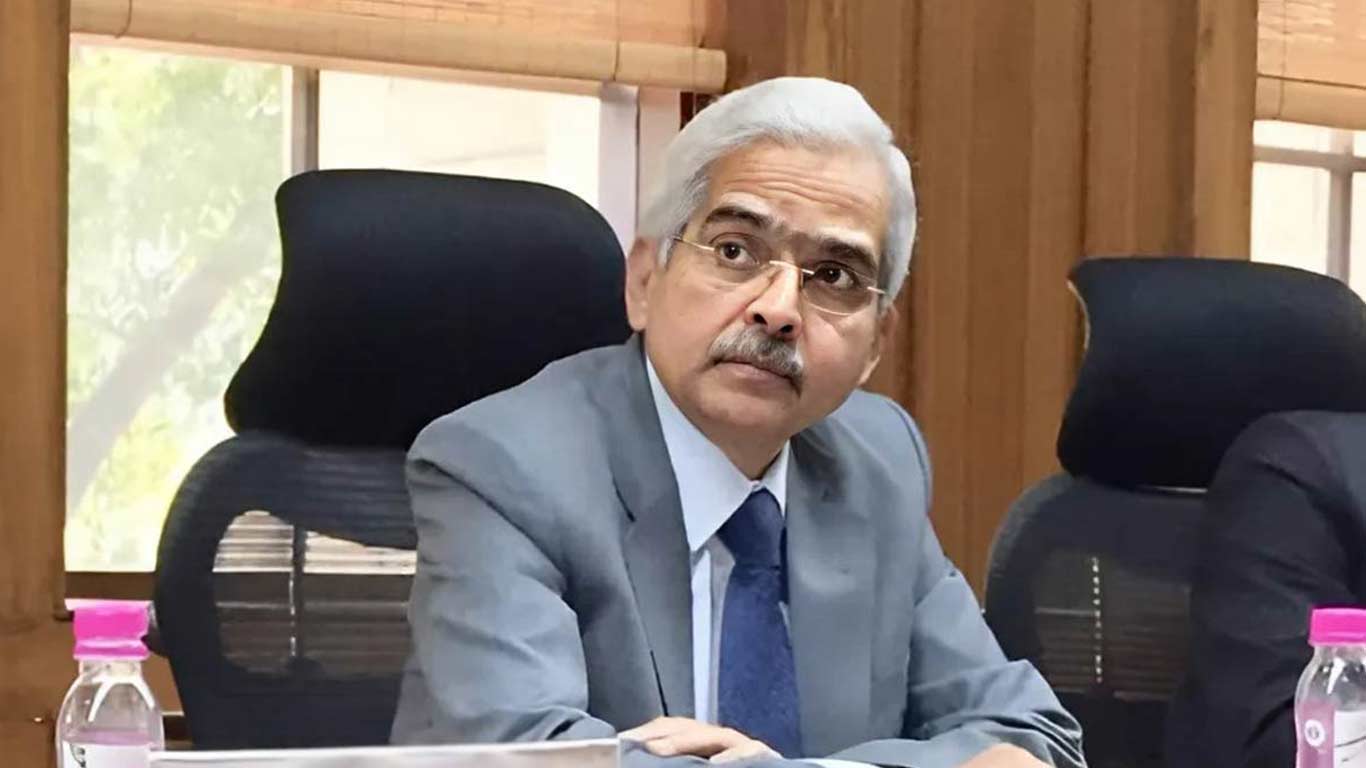
India Must Reduce Import Dependence, Especially On Oil And Gas: Shaktikanta Das
New Delhi, Sep 30 (KNN) The Indian economy remains a bright spot amid global uncertainty, but reducing import dependence, particularly on oil and gas, is critical, Shaktikanta Das, Principal Secretary-2 to the Prime Minister, said on Tuesday.
Speaking at the launch of the India and Emerging Economic Order Forum (IEOF), organised by DSE and RIS, Das said India’s strategy has focused on macroeconomic and financial stability, structural reforms, infrastructure, industrial development and global integration.
He highlighted fiscal prudence, inflation management, productivity-enhancing reforms and physical and digital infrastructure, reported Businessline.
He said policy measures have also aimed to boost competitiveness, build capacity in sunrise sectors and integrate Indian firms into global value chains through trade agreements.
Economic Activity Shows Broad-Based Momentum
Das said indicators including GST collections, electricity generation, rail freight movement and wholesale and retail vehicle sales point to broad-based economic momentum.
Rural demand has also strengthened, reflected in higher tractor and two-wheeler sales, while urban consumption remains upbeat. He noted that double-digit growth across agriculture, industry and services is providing further support to economic activity.
Space, Nuclear Energy And Import Dependence
Das identified three areas of ongoing reform that could offer lessons for other developing economies: space, nuclear energy and energy security.
He said government reforms are transforming India’s space sector, while efforts are underway to expand nuclear power’s role in the energy mix. On energy security, Das stressed the need to reduce India’s dependence on imported oil and gas.
He also highlighted the July 2026 approval of Samudra Manthan, the National Offshore Exploration programme for deep-water areas, with a Phase-I outlay of Rs 84,000 crore through FY 2030-31 to support domestic hydrocarbon exploration and production.
West Asia Conflict Poses Global Growth Risks
Das warned that the West Asia conflict has raised energy prices and renewed inflationary pressures, potentially weighing on global growth and purchasing power. Persistent trade policy uncertainty, geopolitical tensions and weather-related shocks also pose risks.
He called for deeper cooperation among Global South economies to strengthen their collective voice on trade, technology, finance and supply chains.
Greater coordination could improve bargaining power on trade, climate finance, technology transfer, supply-chain integration and global financial reforms.
(KNN Bureau)






 Loading...


