Indian Recyclers Seek Govt Intervention Over Proposed EU Metal Scrap Export Curbs
Updated: Sep 24, 2026 04:44:38pm

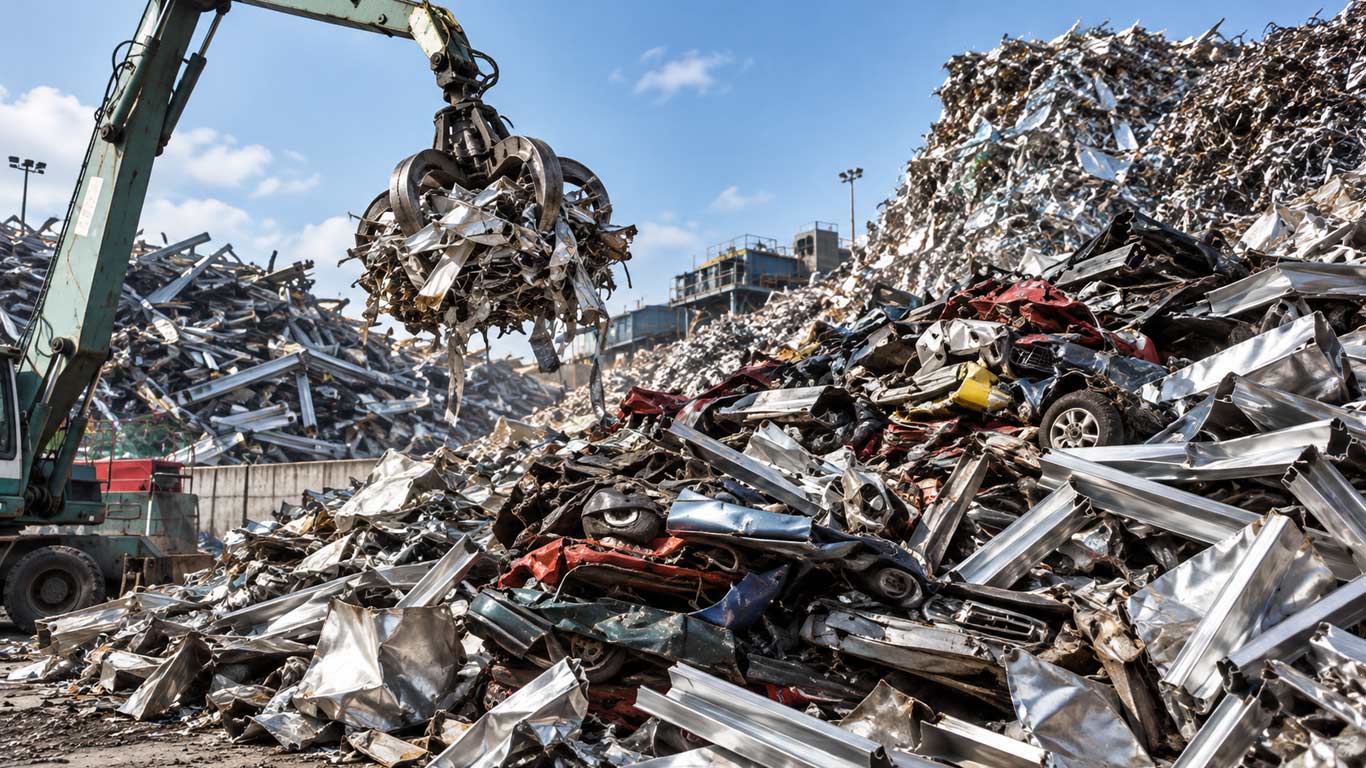
Indian Recyclers Seek Govt Intervention Over Proposed EU Metal Scrap Export Curbs
New Delhi, Sep 24 (KNN) The Material Recycling Association of India (MRAI), which represents recyclers, including small and mid-sized firms, has sought government intervention over the European Union’s proposal to restrict metal waste exports to India from May 2027, according to a letter reviewed by Reuters.
The European Commission proposed on September 18 excluding India from the list of countries eligible to receive EU metal waste under new rules, citing concerns over the potential presence of persistent and toxic heavy metals in such waste.
In response, the Commerce and Industry Ministry said it remains engaged with the EU on the matter.
India sources around a quarter of its metal scrap imports from the EU, according to industry estimates. In 2025-26, the EU accounted for around 20 per cent of India’s aluminium scrap imports, 22 per cent of copper and copper alloy scrap, 20 per cent of lead scrap and 40 per cent of zinc scrap, according to MRAI data.
MSMEs Face Raw Material Concerns
In its letter to the Ministry, the association said, “Disruption of these established supply chains would therefore directly affect Indian recyclers, particularly MSMEs (micro, small and medium enterprises), and could increase raw-material costs and India's dependence on virgin metal resources.”
MRAI noted that India has an extensive regulatory framework governing metal recycling and processing facilities. It described the EU proposal as “resource protectionism” and said scrap has become strategically important for Europe’s metals industry.
MRAI has also urged the government to seek zero-duty treatment for scrap imports under the proposed India-EU trade agreement.
For Indian recycling MSMEs, tighter access to EU scrap could affect the availability and cost of key secondary raw materials, potentially influencing production costs and competitiveness. The extent of the impact will depend on the final EU rules, their implementation and the availability of alternative supply sources.
(KNN Bureau)




 Loading...