India's Power Generation Rises 11% to 536 BU in Q2FY27, Renewables Energy Cross 100 BU: CREA Report
Updated: Oct 13, 2026 04:26:58pm


India's Power Generation Rises 11% to 536 BU in Q2FY27, Renewables Energy Cross 100 BU: CREA Report
New Delhi, Oct 13 (KNN) India's electricity generation rose 11 per cent year-on-year (YoY) to 536 billion units (BU) in Q2FY27, while renewable power generation crossed 100 BU in a quarter for the first time, reflecting the growing contribution of clean energy to the country's power mix, according to a report by the Centre for Research on Energy and Clean Air (CREA).
Renewable energy generation, excluding large hydropower, reached 101 BU during July-September, while combined generation from non-fossil sources, including renewables, large hydro and nuclear, increased to a record 177 BU from 163 BU in the corresponding quarter last year, the report said.
It highlighted that solar was the fastest-growing major source of electricity, with generation rising 39 per cent YoY to 51 BU. Wind generation increased 29 per cent to 45 BU, while solar accounted for 10 per cent of total electricity generation for the first time. Solar output also reached a daily record of 705 million units on September 30.
However, coal and lignite continued to dominate the generation mix, contributing 351 BU, or around 66 per cent of total electricity generation. Non-fossil sources accounted for approximately 33 per cent.
The report, titled ‘India Energy Snapshot for Q2 FY2026-27’, said peak electricity demand reached a record 270 GW on July 16, up 18 per cent from 230 GW in the corresponding quarter last year.
Coal Stocks Fall Amid Rising Demand
The report flagged a mismatch between coal consumption and supplies to power plants, with inventories declining despite sustained consumption.
Coal stocks at power plants fell to 21 million tonnes on September 30, equivalent to 36 per cent of the normative requirement of 58 million tonnes. The number of plants holding stocks below 25 per cent of their prescribed requirement increased from 32 on August 22 to 91 on October 6.
Coal consumption remained around 79 million tonnes per month from May to September. However, coal dispatch to power plants declined from 74 million tonnes in May to 66 million tonnes in August, while average railway rake loading fell from around 290 rakes a day in June to 280 in August.
Despite peak demand reaching 270 GW, coal-based power plant utilisation stood at 68 per cent in Q2FY27, down from 73 per cent in the preceding quarter.
Renewable Capacity Additions Outpace Thermal
India's installed power capacity reached 555 GW in August 2026, with non-fossil sources accounting for around 55 per cent of the total. Renewable capacity, excluding large hydropower, stood at 243 GW, including 168 GW of solar capacity.
Renewable capacity additions reached around 7 GW in Q2FY27, compared with 0.8 GW of thermal capacity. Meanwhile, around 648 MW of thermal capacity was retired during the quarter.
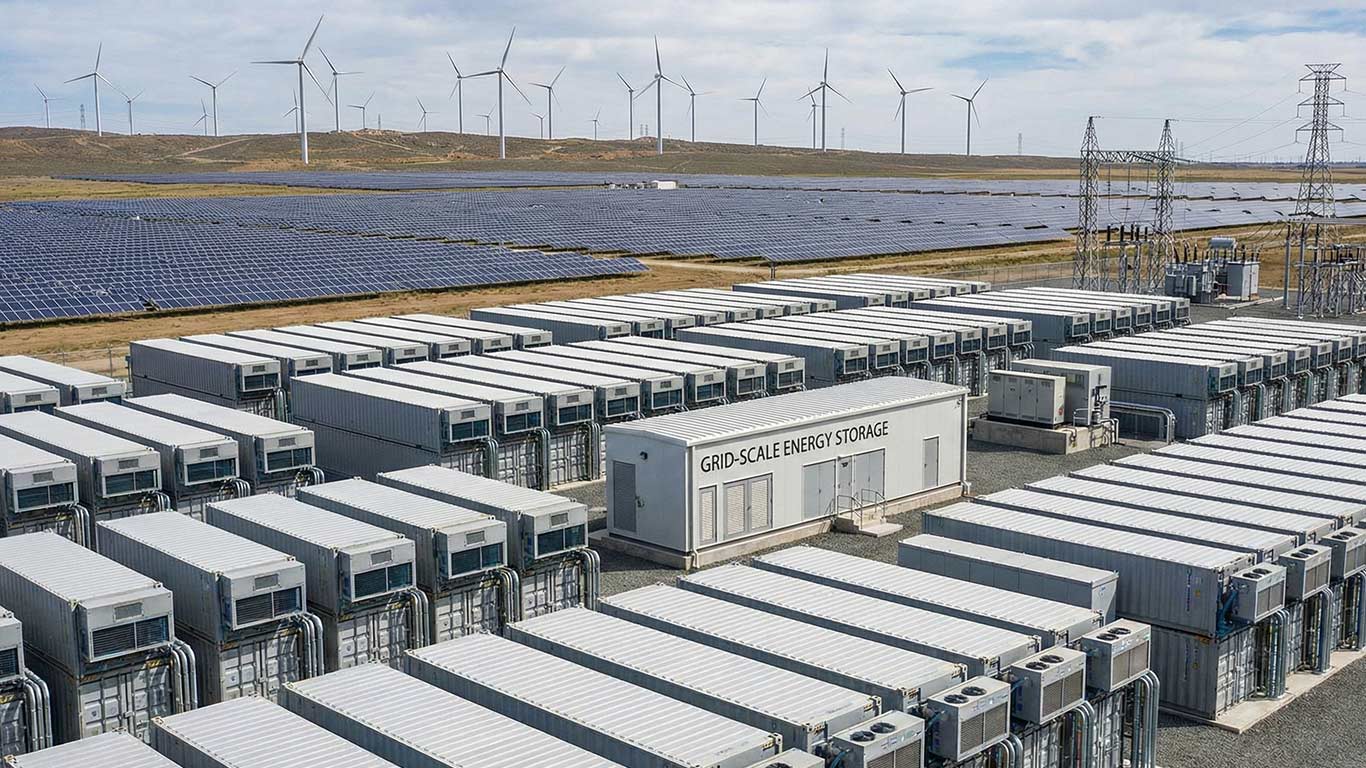
The country's energy storage pipeline is also expanding, with tenders issued for around 290 GWh of capacity by August, including pumped storage and battery energy storage projects. Operational battery storage stood at around 9.1 GWh and contributed up to 5.5 GW during night-time peak demand.
However, grid and operational constraints led to the curtailment of around 1,835 million units of renewable electricity during July and August, including 1,462 million units of solar and 373 million units of wind generation.
The report highlighted the need to strengthen grid infrastructure and storage capacity to integrate rising renewable generation, while aligning future thermal power investments with changing demand patterns.
(KNN Bureau)








 Loading...