India’s Semiconductor Demand to Hit USD 90 Bn by 2029-30 From USD 44 Bn in 2025-26: KPMG Report
Updated: Sep 19, 2026 03:58:52pm

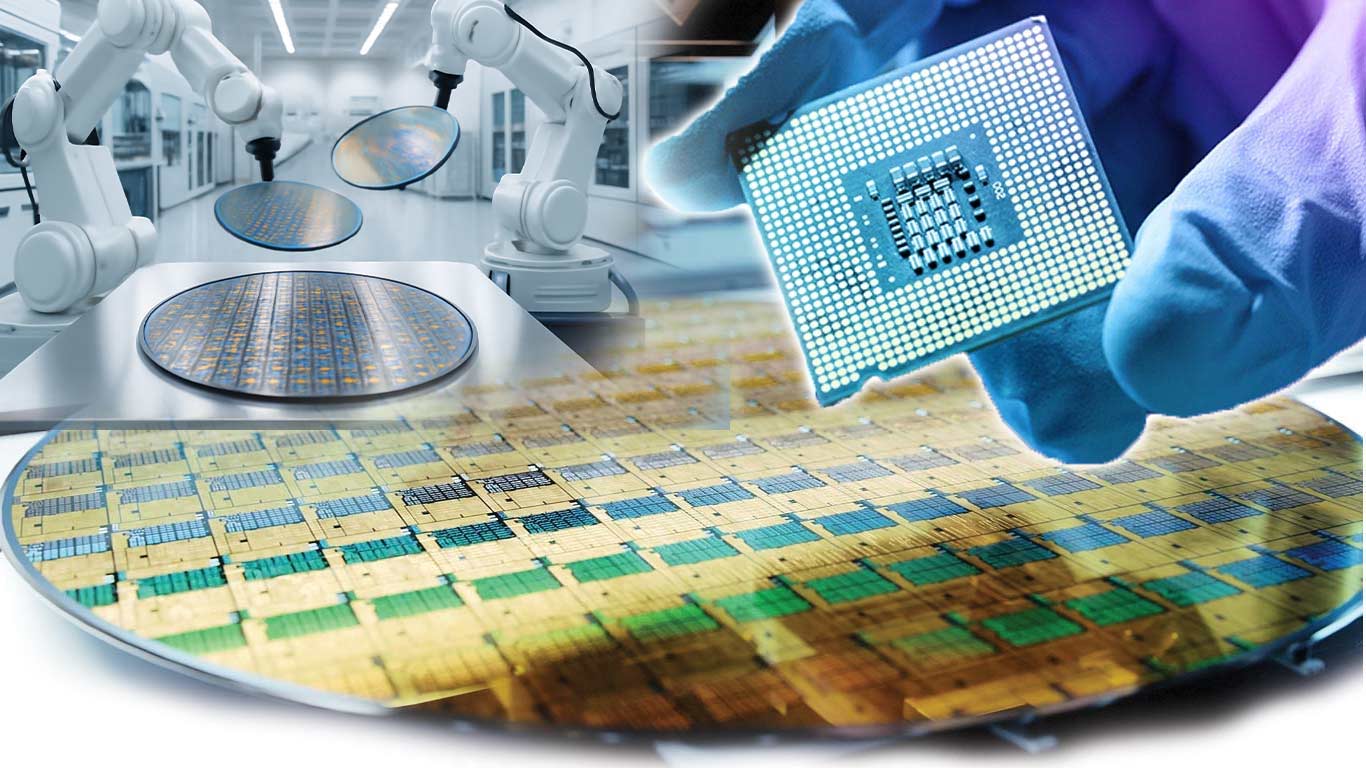
India’s Semiconductor Demand to Hit USD 90 Bn by 2029-30 From USD 44 Bn in 2025-26: KPMG Report
New Delhi, Sep 19 (KNN) India’s semiconductor demand is projected to more than double from around USD 44 billion in 2025-26 to USD 90 billion by 2029-30, driven by growth in electronics manufacturing and digital infrastructure, the expansion of artificial intelligence, and rising semiconductor intensity across automobiles and industrial systems, KPMG said in a report.
The report, titled ‘India’s Semiconductor Opportunity: Building a Globally Competitive Ecosystem’, was released by KPMG in India in association with the India Deep Tech Alliance (IDTA) and Nishith Desai Associates (NDA) at SEMICON India 2026 on Friday.
Mobile, Wearables to Lead Demand
Mobile phones and wearables are projected to account for the largest share of semiconductor demand, estimated at around USD 42.13 billion by 2029-30.
The report noted that India’s demand profile, particularly for logic, connectivity and power semiconductors, combined with its strengths in semiconductor design, STEM talent and electronics manufacturing, creates opportunities across the semiconductor value chain.
Logic semiconductors are identified as one of the largest manufacturing opportunities, with 28/40 nm emerging as a key logic manufacturing opportunity by 2030. Mature-node fabs could provide a commercially viable pathway to build manufacturing scale and serve India’s large domestic market.
The report highlighted that building multiple fabs and supporting supply chains could create ecosystem synergies and eventually support a transition towards advanced-node technologies.
AI, Design and Packaging Drive Opportunities
Growing deployment of indigenous AI models is expected to increase training and inference workloads, driving demand for AI-intensive data centres and higher consumption of GPUs, processors, memory chips and networking equipment.
The report identifies semiconductor design as an attractive opportunity due to relatively lower investment requirements and the availability of skilled resources. Assembly, testing and packaging is seen as the fastest path to scale, while equipment and materials would require phased capability building.
Within the technology categories tracked by the report, semiconductor accelerators accounted for around 92 per cent of filings.
The report also mapped India’s semiconductor patent landscape over the decade to June 2026, recording around 78,000 published patent applications and 28,000 grants.
Trade Secrets Law Flagged
The report highlighted the need for stronger legal protection of semiconductor-related trade secrets, noting that much of the industry’s valuable technical know-how may involve confidential information rather than patentable inventions.
It noted that the absence of a dedicated trade secrets statute means disputes are currently handled on a case-by-case basis without a statutory definition, dedicated forum or predictable remedy.
The report said policy initiatives including Semicon 1.0 and Semicon 2.0, the Design Linked Incentive (DLI) scheme, Chips to Startup programme and strategic technology partnerships are strengthening capabilities across manufacturing, design, talent and innovation.
It added that coordinated development of talent, innovation, suppliers, manufacturing infrastructure and strategic partnerships will be critical to converting rising semiconductor demand into domestic value creation and reducing import dependence.
(KNN Bureau)









 Loading...