SC Quashes Biased Tribunal's Interim Orders, Rules Unilateral Arbitrator Appointments Void
Updated: Sep 23, 2026 01:47:03pm


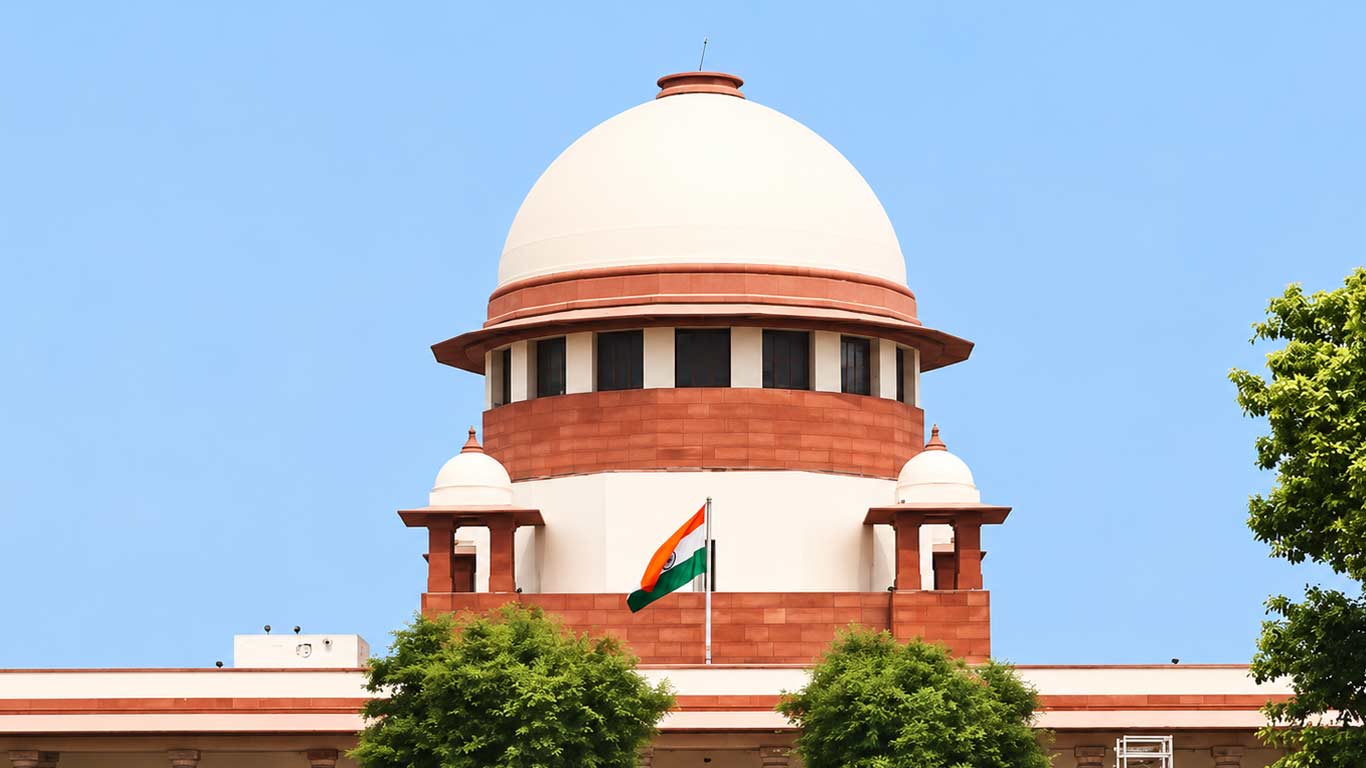
New Delhi, Sep 23 (KNN) The Supreme Court has held that arbitral proceedings cannot be conducted in an arbitrary or biased manner, ruling that unilateral appointment of an arbitral tribunal despite objections alleging bias can invalidate the initiation of arbitration.
A Bench of Justices JB Pardiwala and K Vinod Chandran observed that although ‘arbitration’ rhymes with ‘arbitrary’, arbitral proceedings cannot result in an arbitrary measure, including in the appointment of an arbitral tribunal.
The Court was hearing an appeal by Arth Micro Finance Private Ltd against interim orders passed by a tribunal appointed at the instance of Shivalik Small Finance Bank Ltd.
The tribunal had frozen several bank accounts of Arth, permitted Shivalik to take over movable and immovable properties and directed the transfer of deposited funds to Shivalik.
Tribunal Appointment Held Invalid
Arth had challenged the interim directions before the High Court under Section 37 of the Arbitration and Conciliation Act, 1996. The High Court dismissed the appeal on limitation grounds, noting that no application under Section 5 of the Limitation Act had been filed.
Before the Supreme Court, Arth argued that the tribunal had been appointed unilaterally despite its explicit objections alleging bias and links between the arbitrator and Shivalik.
The Supreme Court found no evidence that Arth had consented to the tribunal's appointment and held that the initiation of arbitration was ‘non est’ in law.
Interim Orders Quashed
The Court consequently quashed all three interim orders and directed Shivalik to return any funds transferred to its accounts within one week. It said failure to comply would attract compound interest at 18 per cent per annum.
The Bench clarified that it had not expressed any opinion on the merits of the underlying dispute.
Impact on MSMEs
The ruling strengthens safeguards against unilateral or biased arbitration, protecting MSMEs from potentially unfair interim orders that could disrupt bank accounts, assets and cash flows.
It also provides greater certainty in commercial dispute resolution and reinforces the need for consent and neutrality in arbitral proceedings.
(KNN Bureau)







 Loading...


