UPI MDR: Finance Ministry Denies US Pressure Claims, Says Foreign Credit Cards Get No Advantage Over RuPay
Updated: Sep 18, 2026 05:40:12pm

UPI MDR: Finance Ministry Denies US Pressure Claims, Says Foreign Credit Cards Get No Advantage Over RuPay
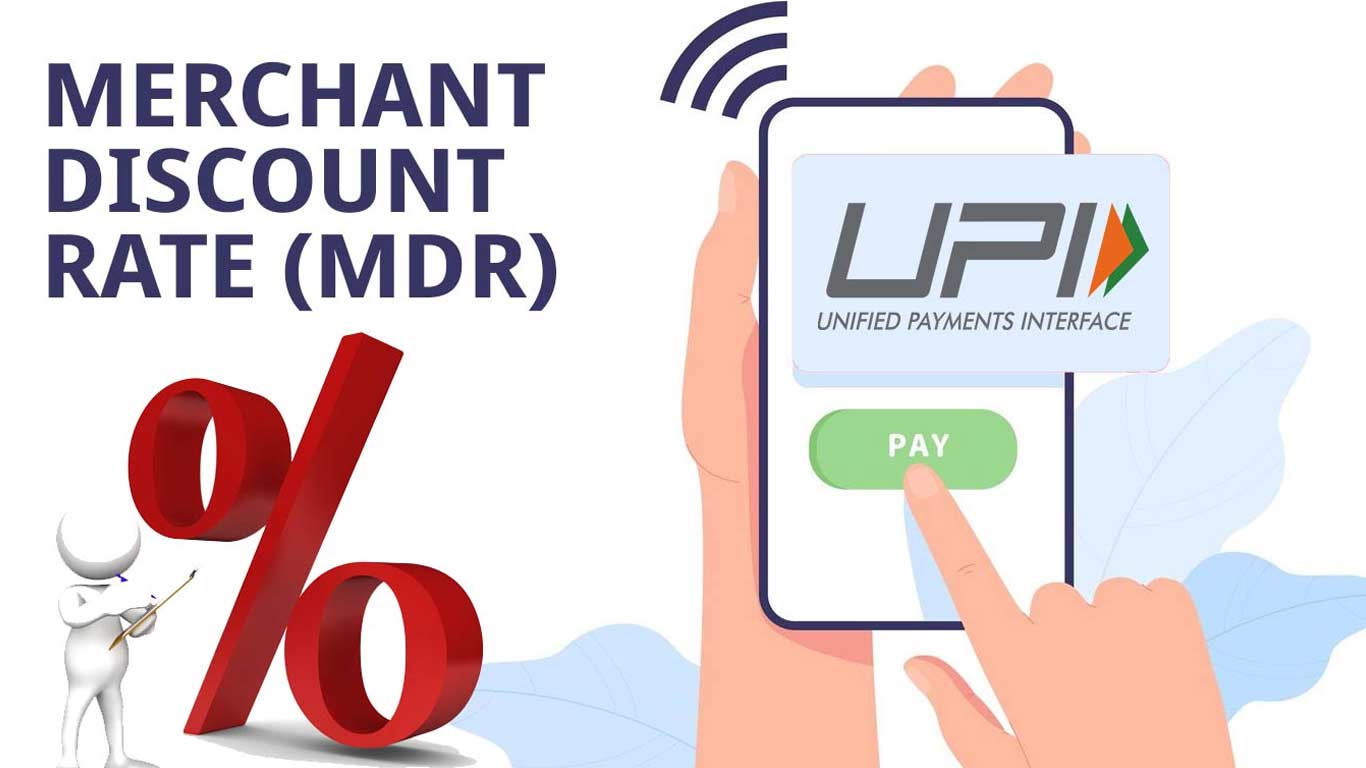
New Delhi, Sep 18 (KNN) The Finance Ministry on Thursday rejected allegations that US pressure influenced the decision to introduce a 0.4 per cent Merchant Discount Rate (MDR) on select UPI transactions, saying the latest National Payments Corporation of India (NPCI) guidelines do not give international credit cards any advantage over RuPay on the UPI platform.
The Department of Financial Services (DFS), responding to observations in the US Trade Representative's (USTR) 2026 report, said the September 15 NPCI circular continues to allow only RuPay credit cards to be linked to UPI for credit transactions, PTI reported.
In a post on X, the DFS said, “The NPCI circular of September 15, 2026, does not allow credit transactions on UPI by any other credit card other than the RuPay credit card. There is a clear policy of only allowing the RuPay credit card on UPI to enable the RuPay credit card to become the preferred choice of credit card amongst users in India.”
“The allegation that MDR has been introduced under any external influence is patently false and misleading,” it added.
The USTR report had raised concerns over the inability of US electronic payment service providers to participate in UPI, including credit transactions, on a level playing field with RuPay.
NPCI Says MDR Aims to Support Domestic Competition
The clarification comes amid allegations by some Opposition parties, including the Congress, that the government introduced the MDR following US pressure.
NPCI has said the new MDR framework is aimed at creating a sustainable revenue model for the UPI ecosystem and enabling smaller domestic payment companies to compete more effectively.
The payment operator had noted that although it mandated a 30 per cent market share ceiling for third-party application providers in November 2020, implementation was deferred as smaller companies faced difficulties competing without a sustainable revenue model.
NPCI said the MDR on select high-value transactions would help create such a revenue stream and allow more domestic companies to expand their operations.
New Framework
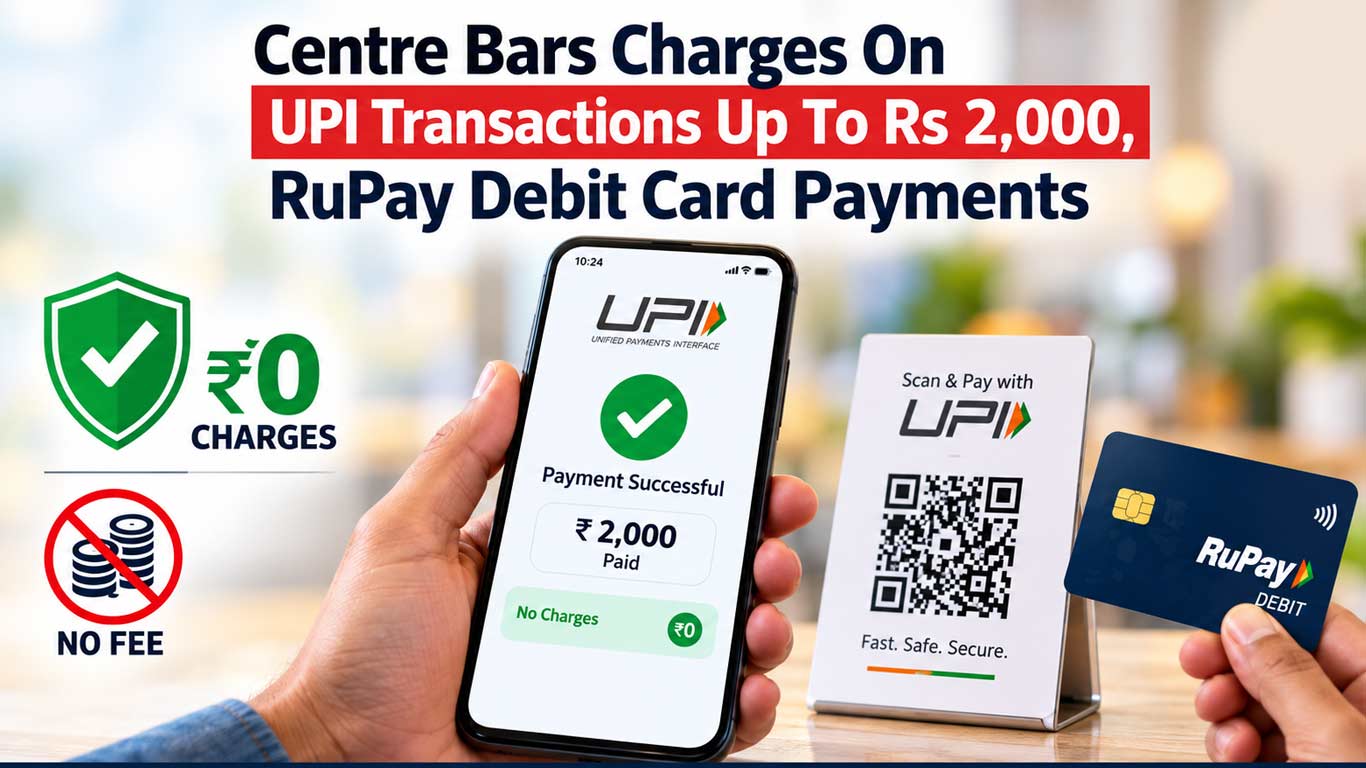
Under the new framework, a 0.4 per cent MDR will apply from October 15 to person-to-merchant UPI transactions above Rs 2,000. The charge will be borne by merchants and capped at Rs 300 for transactions of Rs 75,000 or more. Person-to-person payments and transactions up to Rs 2,000 will remain free.
Railways, telecom, fuel and insurance transactions above Rs 2,000 will attract a flat Rs 5 charge, while capital market transactions such as mutual funds and stockbroking will attract a lower 0.02 per cent rate, also capped at Rs 300.
Small merchants collecting up to Rs 1 lakh a month through UPI QR codes will remain exempt from the new MDR. NPCI has said the framework is intended to keep everyday, small-value UPI payments free while improving the long-term sustainability of the ecosystem.
Impact on Foreign Payment Firms
Global Trade Research Initiative (GTRI) founder Ajay Srivastava said high-volume UPI players such as PhonePe and Google Pay could benefit from MDR revenue, suggesting India consider participation fees for dominant foreign platforms and warning that merchants could ultimately bear the higher costs.
The comments come amid USTR concerns that Indian policies favour domestic payment providers. Its 2026 National Trade Estimate report said two US-owned payment providers handled over 80 per cent of UPI transactions as of December 31, 2025, while the US has also objected to their lack of equal access to UPI credit transactions compared with RuPay.
The Finance Ministry, however, has maintained that the MDR decision is part of India's existing policy framework for UPI and RuPay and was not introduced in response to external pressure.
(KNN Bureau)







 Loading...