UPI Policy Should Remain Independent Of US Influence: GTRI
Updated: Aug 10, 2026 05:04:56pm

UPI Policy Should Remain Independent Of US Influence: GTRI
New Delhi, Aug 10 (KNN) India should not alter its Unified Payments Interface (UPI) policies under pressure from the United States and must safeguard competition, policy independence, and the long-term sustainability of its digital payments ecosystem, according to the think tank Global Trade Research Initiative (GTRI).
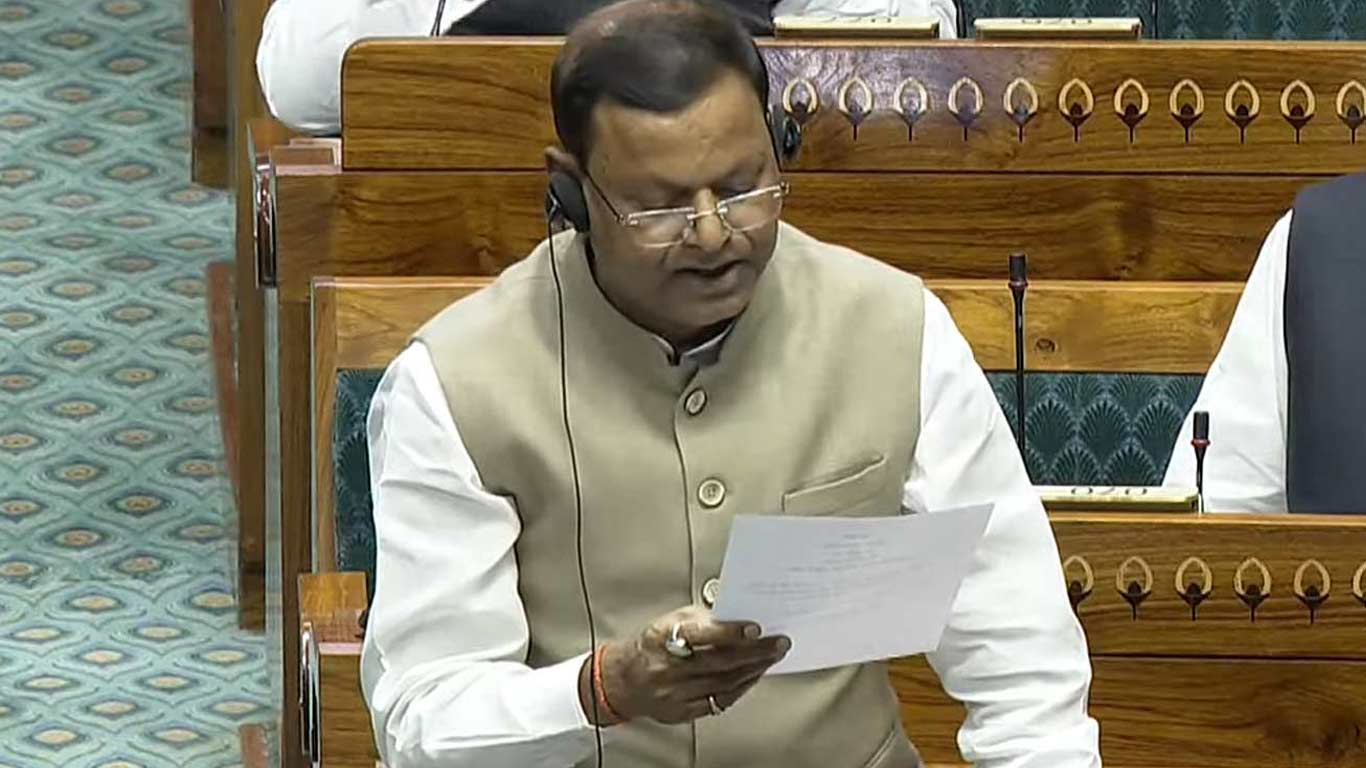
The statement comes after the Lok Sabha passed a bill to amend the Payment and Settlement Systems Act, 2007, allowing the government to authorise banks and payment service providers to levy charges on UPI and other notified digital payment modes.
Debate Over Charges and Sustainability
GTRI said that banks and payment system providers are currently not allowed to charge users for transactions conducted through UPI or RuPay debit cards. It added that the zero merchant discount rate (MDR) regime has been a key driver of rapid digital payments growth, enabling consumers and small merchants to transact without fees, PTI reported.
However, the think tank noted that maintaining the system requires ongoing investment by banks, the National Payments Corporation of India (NPCI) and private payment firms in areas such as cybersecurity, fraud prevention, infrastructure, and dispute resolution.
“A sustainable funding model may therefore be necessary. But financing the system does not automatically require a general merchant charge,” it said.
“Alternatives include targeted budgetary support, government incentives, charges on large commercial transactions, cross-subsidisation from financial services and narrowly designed fees applicable only to high-turnover merchants,” GTRI added.
Concerns Over Global Trade Pressure
GTRI linked the legislative change to criticism from the United States, particularly the 2026 National Trade Estimate Report by the Office of the US Trade Representative (USTR), which raised concerns about India’s UPI and RuPay systems, as well as Brazil’s Pix framework.
GTRI Founder Ajay Srivastava said, “India must not rewrite its UPI policies under US pressure. It must defend competition, policy autonomy and the long-term sustainability of its payments ecosystem.”
Call to Retain Data Localisation Rules
Srivastav highlighted the importance of maintaining India’s payment data localisation requirements, noting that keeping payment data within the country enables regulators to better monitor fraud, strengthen cybersecurity, and safeguard national security interests.
“India should not introduce MDR simply to address US trade complaints or protect the profits of Visa, Mastercard and other foreign payment companies,” he said.
Srivastav emphasised that any move to levy charges must be rooted in domestic priorities, particularly the true cost of running UPI and its long-term sustainability. He noted that with foreign payment firms already well integrated into India’s market, regulatory decisions should favour ecosystem stability over external considerations.
(KNN Bureau)







 Loading...


