Allahabad HC Bars Writ Petitions Against MSME Council Arbitration Awards
Updated: May 13, 2026 04:32:49pm

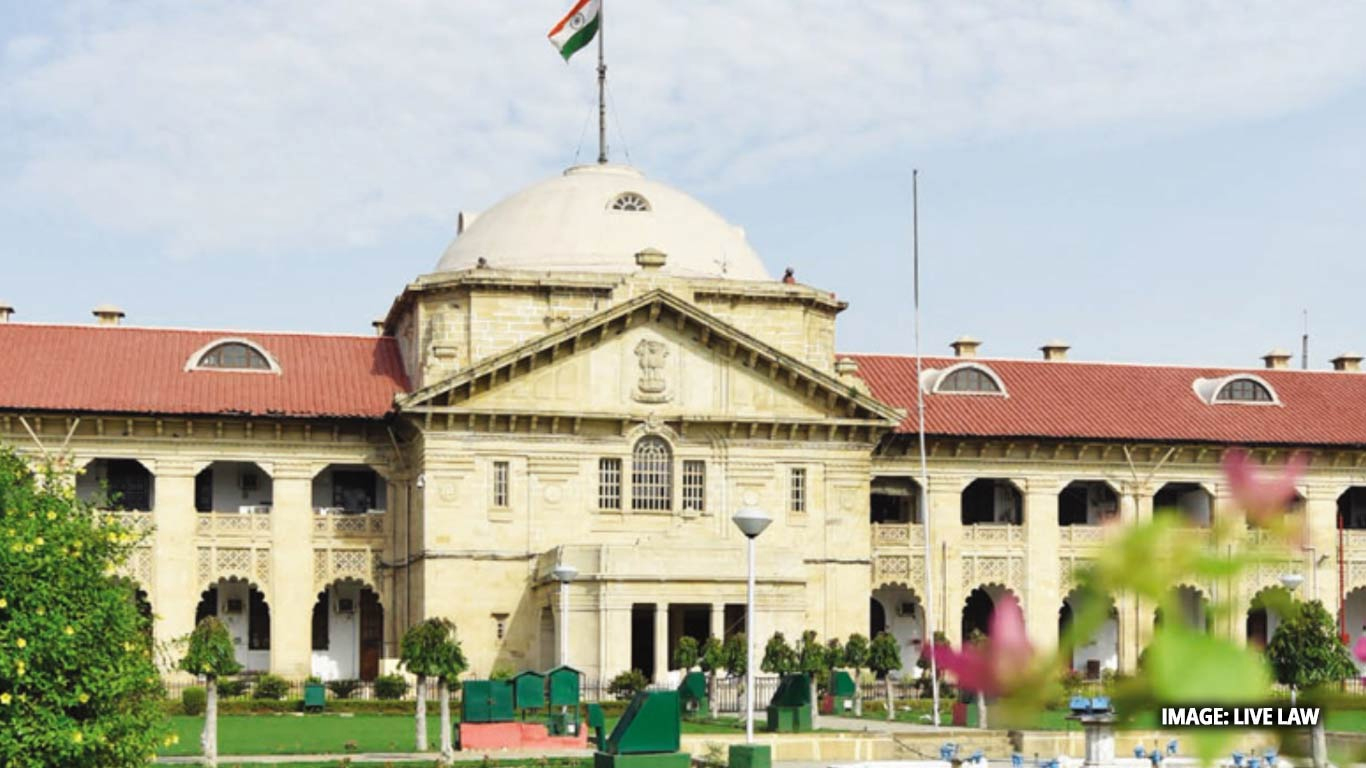
Allahabad HC Bars Writ Petitions Against MSME Council Arbitration Awards
Lucknow, May 13 (KNN) The Allahabad High Court has ruled that a writ petition challenging an ex-parte award passed by the Micro, Small and Medium Enterprises (MSME) Facilitation Council under Section 18 of the Micro, Small and Medium Enterprises Development Act (MSMED), 2006.
Court Upholds Arbitration Remedy Route
The High Court said that the award is not maintainable when an alternative statutory remedy is available under Section 34 of the Arbitration and Conciliation Act, 1996.
A Division Bench comprising Justices Saral Srivastava and Garima Prashad dismissed a petition filed by Shri Krishna Nutrition India Pvt. Ltd. against an ex-parte award issued by the MSME Facilitation Council, which had directed the company to pay Rs 24 lakh.
The Bench observed that proceedings initiated under Section 18 of the MSMED Act culminate in an arbitral award and that the law already provides a remedy under Section 34 of the Arbitration and Conciliation Act to challenge such awards.
Company Challenged Ex-Parte MSME Award
Shri Krishna Nutrition India Pvt. Ltd. challenged the July 15, 2021 award, arguing it was passed ex-parte without proper notice.
The company said it learnt of the award only in April 2025 and later filed a recall plea against the execution proceedings, while also alleging that the executing court continued proceedings despite pending objections.
However, the High Court noted that issues related to service of notice and limitation involved mixed questions of fact and law that required examination of evidence.
The Bench stated that such matters should be decided by the appropriate statutory forum rather than through writ jurisdiction.
Bench Warns Against Parallel Appeals Through Writs
The court further cautioned that allowing writ petitions in such cases based on allegations of procedural irregularities would weaken the legal framework under the Arbitration and Conciliation Act and effectively create a parallel appellate mechanism.
Holding that awards passed under Section 18 of the MSMED Act must be challenged through the remedies available under arbitration law, the Bench found no exceptional grounds for interference under Article 226 of the Constitution.
The court also noted that the petitioner had already approached the executing court and raised similar issues there. Finding no manifest perversity in the award, the High Court dismissed the writ petition.
Impact on MSMEs
The ruling reinforces legal certainty for MSMEs by affirming that disputes under the MSME Facilitation Council must follow the arbitration framework.
It helps prevent delays caused by parallel writ petitions, ensuring faster resolution of payment disputes and strengthening recovery mechanisms for MSMEs owed dues.
(KNN Bureau)








 Loading...