Auto Component Margins Seen At 10.5–11% In FY26 As West Asia Conflict Drives Up Costs: Crisil Ratings
Updated: Jun 05, 2026 04:56:59pm

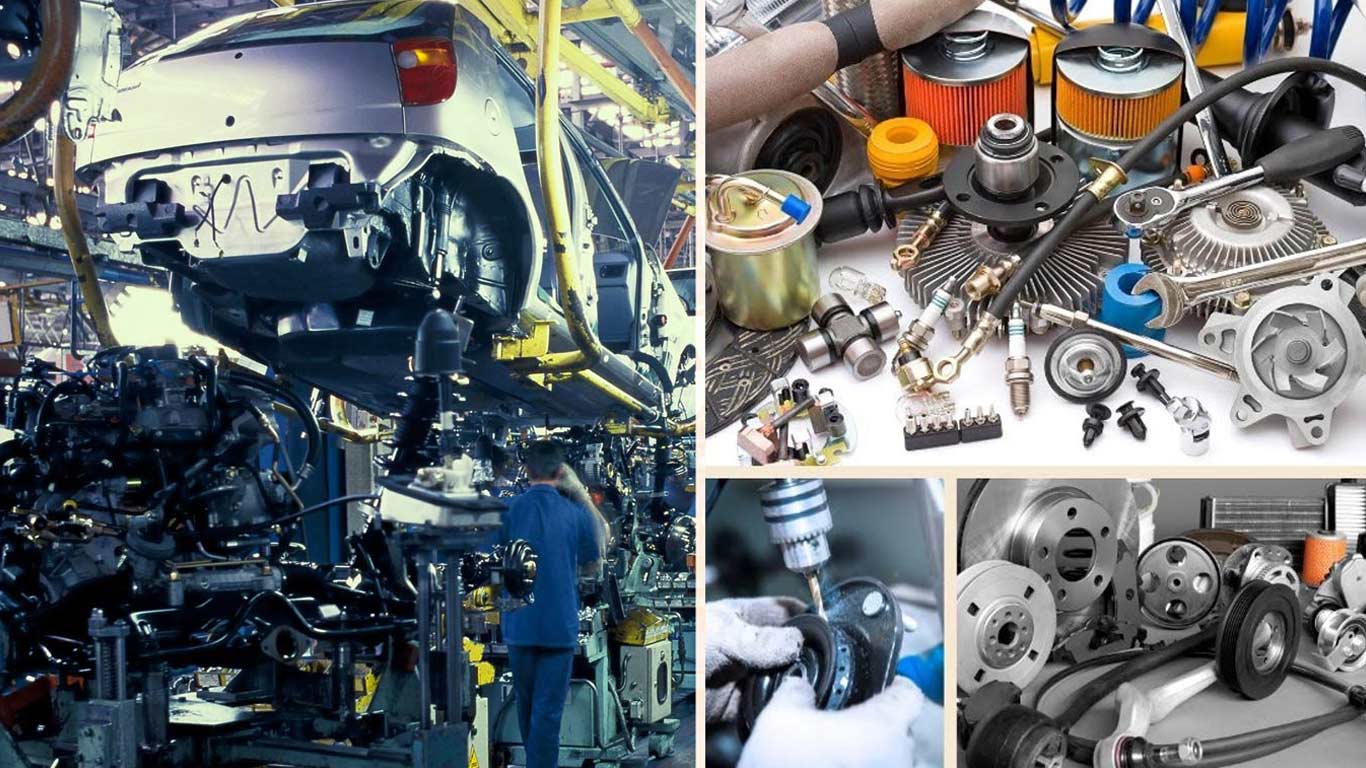
Auto Component Margins Seen At 10.5–11% In FY26 As West Asia Conflict Drives Up Costs: Crisil Ratings
New Delhi, Jun 5 (KNN) Operating margins of India's auto component sector are expected to moderate by 100–150 basis points (bps) this fiscal to 10.5–11 per cent, down from approximately 12 per cent last year, as the West Asia conflict pushes up input prices and freight costs across both domestic and export markets.
Revenue growth, however, is expected to remain resilient at 9–11 per cent, helping keep absolute operating profits broadly stable, according to a Crisil Ratings analysis of auto component makers accounting for nearly half the sector's revenue of approximately Rs 9 lakh crore last fiscal.
Cost Pressures Mount
Raw materials constitute nearly three-fourths of the sector's total cost structure, with steel and aluminium alone accounting for 50–60 per cent of input costs — both of which have risen sharply.
Anuj Sethi, Senior Director, Crisil Ratings, said, “Raw materials, employee expenses and power together account for ~90 per cent of overall cost structure. Input and energy prices have risen, with minimum wage revisions across several states adding further pressure.
“Original equipment manufacturers (OEMs), accounting for over two-thirds of revenues, typically offer a cost pass-through, though with a lag of one to two quarters and not always in full, thus moderating operating margins by 100-150 bps to 10.5-11 per cent this fiscal. Yet with revenue growth expected at 9-11 per cent, the impact on overall profitability is expected to remain contained,” Sethi added.
Demand Outlook Remains Steady
OEM demand, which regained momentum following GST rate reductions last year, continues to hold firm. Key tailwinds include new model launches across passenger vehicles, infrastructure-linked commercial vehicle activity, continued premiumisation in two-wheelers, and rising electric vehicle adoption across segments.
The aftermarket segment — contributing 12 per cent of revenues — remains stable, supported by a large stock of vehicles sold in prior years. Exports, which account for 16 per cent of revenues, are expected to grow 8–9 per cent year-on-year, aided by tariff corrections in the United States, the sector's largest export market, though longer shipping routes due to the West Asia conflict have increased delivery lead times.
Working Capital Under Strain
The West Asia conflict is also reshaping supply-chain dynamics with direct consequences for working capital. Global uncertainty is prompting manufacturers to build higher buffer stocks to protect production schedules, likely increasing inventory levels by 15–20 days from the current 80–85 days.
The ability to stretch creditor payment cycles to absorb this impact will vary — larger players are better positioned given their scale and bargaining power.
Capex and Balance Sheet Health
Poonam Upadhyay, Director, Crisil Ratings, noted, "Capital expenditure (Capex) of auto component players rated by us is expected at ~Rs 27,000 crore this fiscal, up ~10 per cent on-year, directed primarily towards capacity expansion, including electric vehicle (EV) related components, to meet steady OEM demand.”
“Funded through a mix of internal accruals and external borrowings, interest coverage is expected at ~7 times and debt-to- earnings before interest, tax, depreciation and amortisation (EBITDA) 1 at 1.5-1.7 times on an aggregate basis, against ~7.4 times and ~1.4 times last fiscal, with debt levels moderate and balance sheets adequate to support funding needs," Upadhyay added.
Key Risks to Watch
Crisil flagged several factors that will bear close monitoring: the duration of the West Asia conflict, the pace of normalisation in energy and freight costs, commodity price movements, and the extent and timing of cost pass-through to OEMs — all of which could materially influence the sector's financial performance through the remainder of the fiscal year.
(KNN Bureau)





 Loading...