China Drags India to WTO Over PLI Schemes for EVs and Batteries
Updated: Oct 21, 2025 05:29:26pm


China Drags India to WTO Over PLI Schemes for EVs and Batteries
New Delhi, Oct 21 (KNN) China has filed an official complaint against India at the World Trade Organisation (WTO), alleging that New Delhi’s production-linked incentive (PLI) schemes for electric vehicles (EVs), advanced chemistry cell (ACC) batteries, and the auto sector violate global trade rules.
Beijing claims that India’s PLI programmes favour domestic production over imports, discriminating against foreign manufacturers, including Chinese firms. The complaint, submitted to the WTO’s dispute-settlement body, marks the first step in formal consultations between the two countries.
According to the WTO communication, China believes the Indian measures breach several global trade agreements — including the Subsidies and Countervailing Measures (SCM) Agreement, the General Agreement on Tariffs and Trade (GATT) 1994, and the Trade-Related Investment Measures (TRIMs) Agreement.
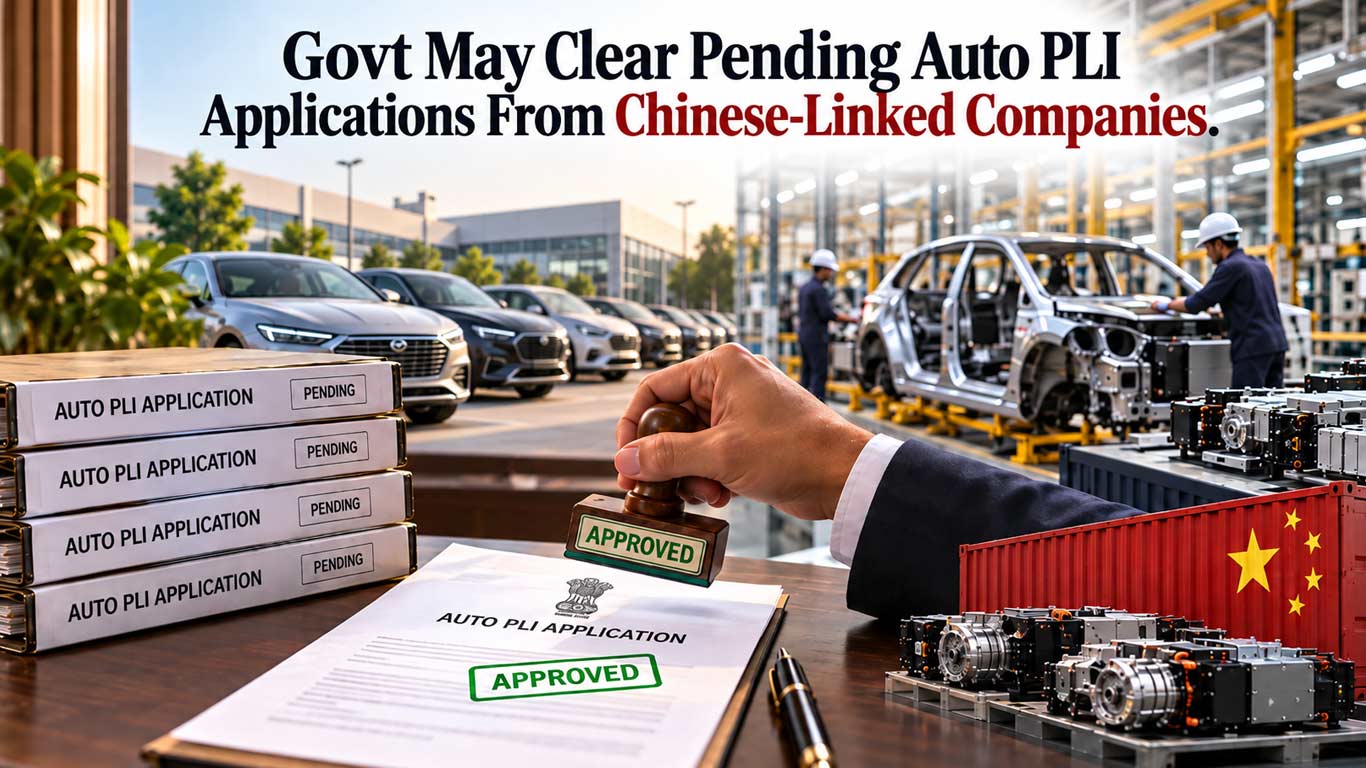
The dispute specifically targets three Indian initiatives: the PLI scheme for ACC battery storage, the PLI scheme for automobile and auto-component manufacturing, and incentives for electric passenger vehicle production.
China argues that these schemes tie subsidies to domestic content use, thereby distorting trade and limiting fair competition.
The move comes amid a widening trade imbalance between the two nations. In FY 2023-24, India’s exports to China fell 14.5 % to $14.25 billion, while imports rose 11.5 % to $113.45 billion — pushing India’s trade deficit with China to over $99 billion.
India introduced the PLI schemes to boost local manufacturing, attract investment, create jobs, and reduce import dependency in key sectors like EVs and batteries.
However, China’s WTO challenge highlights growing friction in global supply chains for clean-energy technologies. If consultations fail, the WTO may establish a panel to review the dispute.
(KNN Bureau)







 Loading...