Domestic bicycle industry bleeding due to 25% cheaper dumping by China
Updated: Mar 15, 2014 12:54:00pm

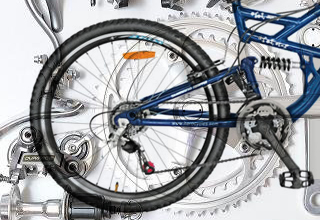
New Delhi, Mar 15 (KNN) There is a need to increase import duty on bicycles and its parts from the prevailing 20 per cent to 30 per cent and making prices of bicycles made both in India and China equal in the global market owing to increased dumping of Chinese goods in India through SAFTA.
Rising imports of bicycles and their components from China to India at almost 25 per cent cost-comparative advantage owing to free trade agreements (FTAs) together with South Asia Free Trade Agreement (SAFTA) are posing a serious threat to domestic bicycle industry producing over 41,000 bicycles per day, said a study.
“There is a need to increase the import duty on bicycles and its parts from prevailing 20 per cent to 30 per cent as by doing this the prices of bicycles made both in India and China would equate in the global market,” noted a just-concluded study on ‘Future of Indian Bicycle Industry,’ conducted by The Associated Chambers of Commerce and Industry of India (ASSOCHAM).
Further, “There is an urgent need to impose strict anti-dumping laws to check rising cheap imports of bicycles and components from China which has been dumping its products into India,” said secretary general of ASSOCHAM, D S Rawat while releasing the findings of the study.
“The imports of bicycles and their components from China to India have risen by about 41 per cent during the course of past five years, as such it is imperative for India to review the FTAs and SAFTA to safeguard the interests of the domestic bicycle industry,” said Rawat.
India’s exports of bicycle to other countries have grown at a compounded annual growth rate (CAGR) of about 17 per cent while the imports grew at over double the rate of about 35 per cent mainly on account of uncompetitive pricing, noted the ASSOCHAM study.
“China has ranked on top amid countries importing bicycles and their components into India with imports worth about USD 8,900 in 2007 to USD 35,000 in 2012.”
“Soaring fuel prices, rising rural incomes, growing health consciousness together with free distribution of bicycles to students by various state governments in order to promote education and keep a check on dropout rates will push the growth of bicycle industry in India and the industry is expected to generate about one million jobs during the course of next couple of years or so,” highlighted the ASSOCHAM study.
However, input cost inflation like rising steel prices (largely due to rising exports of iron ore pellets), poor condition of roads especially in rural areas are other significant challenges faced by the industry, it added.
India is world’s second largest bicycle producer after China accounting for about 10 per cent of global bicycle production and with an estimated market size worth USD 1.5 billion Indian bicycle industry produces about 15 million finished bicycles annually.
In its study, ASSOCHAM has also suggested that the Punjab government keep stable its power tariff as the same is being raised quite frequently, thereby adding to the cost of the production of bicycles.
Bicycle manufacturers in Ludhiana, the city accounting for lion’s share of about 90 per cent of bicycle production in India have urged the government to reduce both the interest rates on loans which at 11.75 per cent for small and medium enterprises (SMEs) is too high to bear.
Besides, there is also the need to reduce the freight charged by the government on raw materials being imported from other states which further escalates the production costs of bicycles, noted the ASSOCHAM study while highlighting the various problems being faced by the sector.
SAFTA is a regional co-operation agreement signed between the member countries of SAARC (Bangladesh, Bhutan, India, Maldives, Nepal, Pakistan, Sri Lanka and Afghanistan), with the commitment to strengthen intra-SAARC economic cooperation.
The local manufacturers are very upset that the central government is not taking any action on the entry of Chinese goods through the SAFTA route into India, which is killing their business, President of United Cycle and Parts Manufacturers Association (UCPMA), Gurmeet Singh Kular told KNN.
These products are also produced in Ludhiana but the Chinese goods being much cheaper are being preferred over our products, he said.
Kular said, “There have been meetings between the manufacturers and officials of central government but so far no conclusion has come out.
"China is misusing the SAFTA route and causing severe loss to the local Ludhiana industry. The government should take effective steps to stop import of Chinese goods through Bangladesh, Sri Lanka, Taiwan and some more countries" (KNN/SD)
Rising imports of bicycles and their components from China to India at almost 25 per cent cost-comparative advantage owing to free trade agreements (FTAs) together with South Asia Free Trade Agreement (SAFTA) are posing a serious threat to domestic bicycle industry producing over 41,000 bicycles per day, said a study.
“There is a need to increase the import duty on bicycles and its parts from prevailing 20 per cent to 30 per cent as by doing this the prices of bicycles made both in India and China would equate in the global market,” noted a just-concluded study on ‘Future of Indian Bicycle Industry,’ conducted by The Associated Chambers of Commerce and Industry of India (ASSOCHAM).
Further, “There is an urgent need to impose strict anti-dumping laws to check rising cheap imports of bicycles and components from China which has been dumping its products into India,” said secretary general of ASSOCHAM, D S Rawat while releasing the findings of the study.
“The imports of bicycles and their components from China to India have risen by about 41 per cent during the course of past five years, as such it is imperative for India to review the FTAs and SAFTA to safeguard the interests of the domestic bicycle industry,” said Rawat.
India’s exports of bicycle to other countries have grown at a compounded annual growth rate (CAGR) of about 17 per cent while the imports grew at over double the rate of about 35 per cent mainly on account of uncompetitive pricing, noted the ASSOCHAM study.
“China has ranked on top amid countries importing bicycles and their components into India with imports worth about USD 8,900 in 2007 to USD 35,000 in 2012.”
“Soaring fuel prices, rising rural incomes, growing health consciousness together with free distribution of bicycles to students by various state governments in order to promote education and keep a check on dropout rates will push the growth of bicycle industry in India and the industry is expected to generate about one million jobs during the course of next couple of years or so,” highlighted the ASSOCHAM study.
However, input cost inflation like rising steel prices (largely due to rising exports of iron ore pellets), poor condition of roads especially in rural areas are other significant challenges faced by the industry, it added.
India is world’s second largest bicycle producer after China accounting for about 10 per cent of global bicycle production and with an estimated market size worth USD 1.5 billion Indian bicycle industry produces about 15 million finished bicycles annually.
In its study, ASSOCHAM has also suggested that the Punjab government keep stable its power tariff as the same is being raised quite frequently, thereby adding to the cost of the production of bicycles.
Bicycle manufacturers in Ludhiana, the city accounting for lion’s share of about 90 per cent of bicycle production in India have urged the government to reduce both the interest rates on loans which at 11.75 per cent for small and medium enterprises (SMEs) is too high to bear.
Besides, there is also the need to reduce the freight charged by the government on raw materials being imported from other states which further escalates the production costs of bicycles, noted the ASSOCHAM study while highlighting the various problems being faced by the sector.
SAFTA is a regional co-operation agreement signed between the member countries of SAARC (Bangladesh, Bhutan, India, Maldives, Nepal, Pakistan, Sri Lanka and Afghanistan), with the commitment to strengthen intra-SAARC economic cooperation.
The local manufacturers are very upset that the central government is not taking any action on the entry of Chinese goods through the SAFTA route into India, which is killing their business, President of United Cycle and Parts Manufacturers Association (UCPMA), Gurmeet Singh Kular told KNN.
These products are also produced in Ludhiana but the Chinese goods being much cheaper are being preferred over our products, he said.
Kular said, “There have been meetings between the manufacturers and officials of central government but so far no conclusion has come out.
"China is misusing the SAFTA route and causing severe loss to the local Ludhiana industry. The government should take effective steps to stop import of Chinese goods through Bangladesh, Sri Lanka, Taiwan and some more countries" (KNN/SD)



 Loading...