India Unveils 10-Year Semiconductor Strategy To Build End-To-End Ecosystem
Updated: May 30, 2026 12:22:48pm

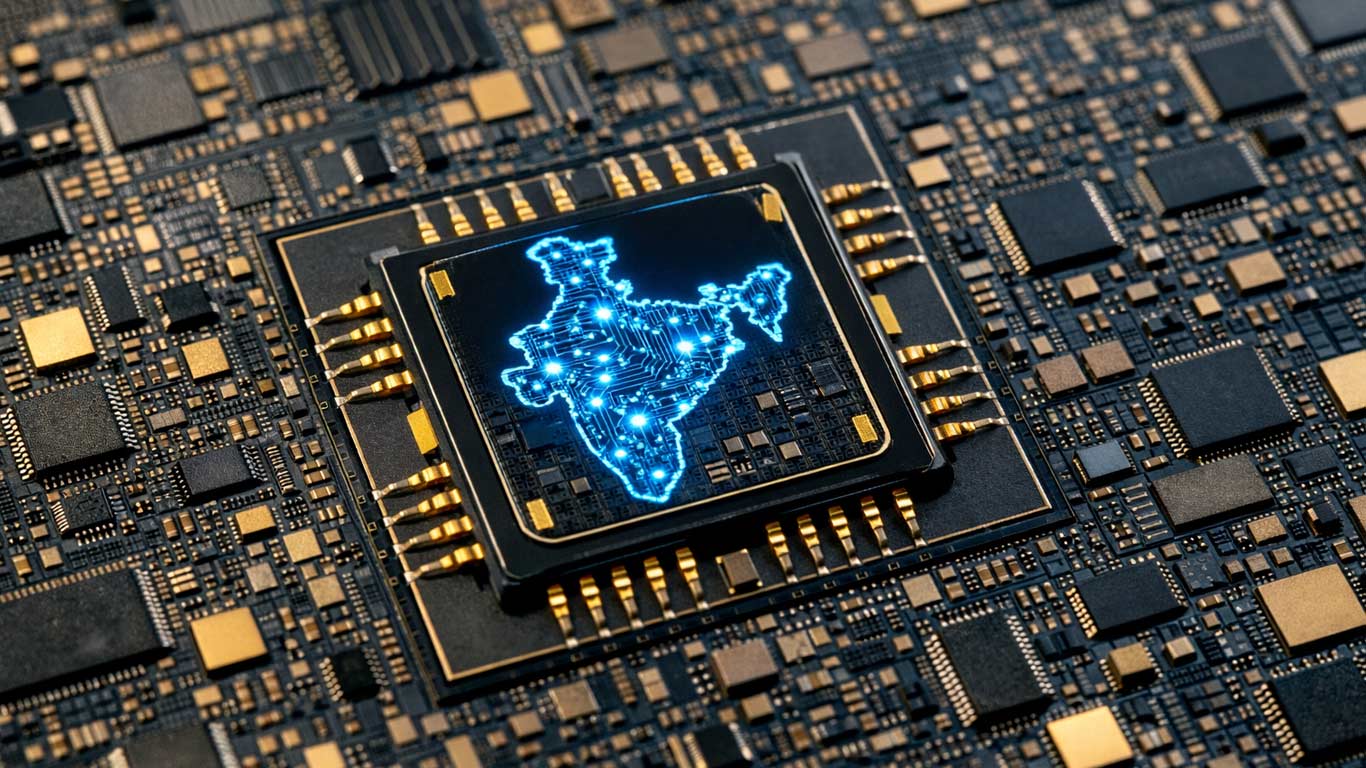
India Unveils 10-Year Semiconductor Strategy To Build End-To-End Ecosystem
New Delhi, May 29 (KNN) Government think tank NITI Aayog's NITI Frontier Tech Hub has unveiled India’s first comprehensive 10-year semiconductor strategy roadmap titled ‘Future of India’s Semiconductor Industry’, outlining a vision to build a USD 120–150 billion semiconductor value chain by 2035.
The roadmap was launched by Union Finance Minister Nirmala Sitharaman and Electronics & IT Minister Ashwini Vaishnaw, in the presence of senior officials and industry leaders.
Semiconductors have emerged as a critical pillar of national security, digital sovereignty, and economic competitiveness, powering sectors ranging from defence and telecom to AI infrastructure and advanced manufacturing, according to the semiconductor strategy roadmap.
Focus On Advanced Manufacturing And Design Leadership
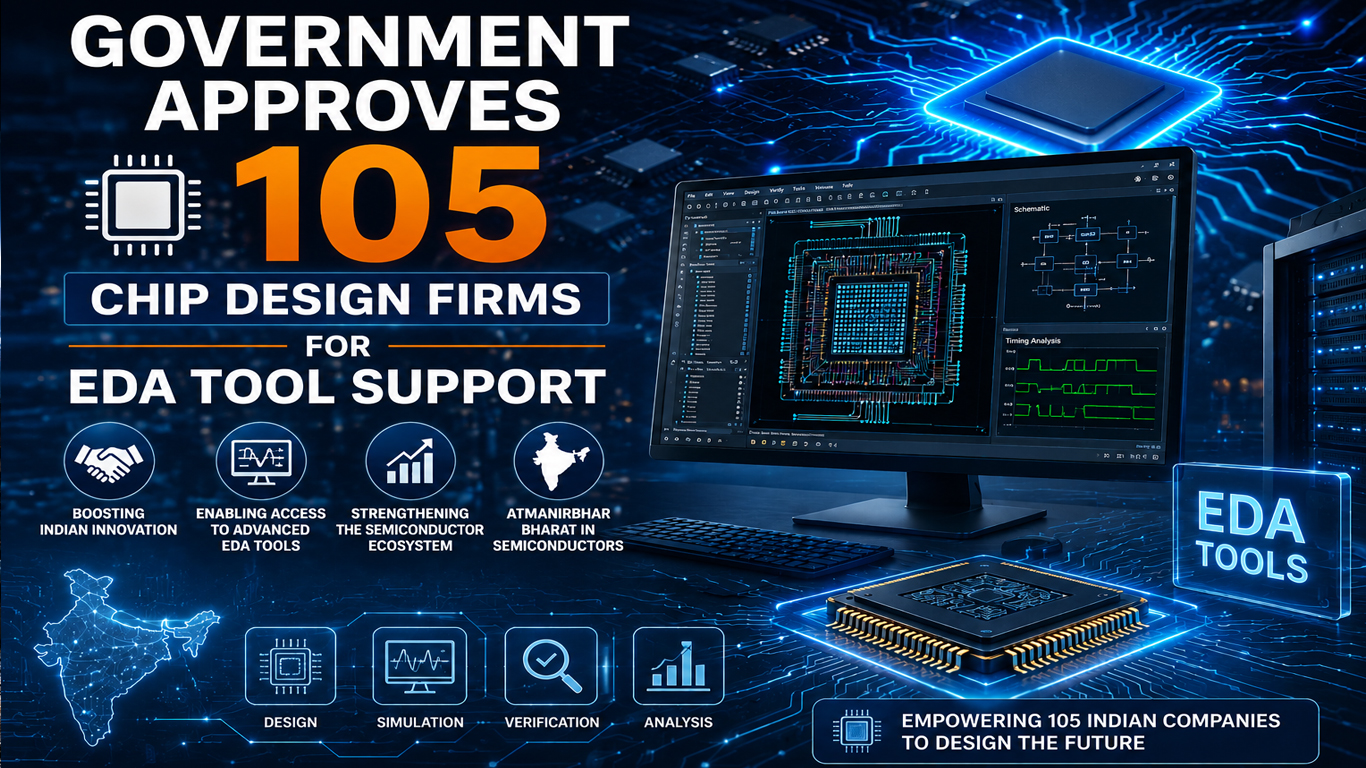
According to the report, India aims to leverage its strengths in design talent, electronics manufacturing, and innovation to emerge as a key global hub for advanced packaging, compound semiconductors, and semiconductor design. It also targets the development of over 100 advanced semiconductor design intellectual properties (IPs).
Sitharaman said, “The roadmap released today rightly focuses on future segments where India can build strong positions: advanced packaging, compound semiconductors, wide-bandgap materials, and AI-native chip design.”
Vaishnaw noted that India is building a full semiconductor ecosystem. “Our focus is on building the full ecosystem, design, talent, materials, equipment, fabs and advanced packaging, so that global companies can look to India as a dependable, long-term pillar of the semiconductor supply chain,” he said.
Five-Pillar Strategy To Build Semiconductor Capabilities
The roadmap is built on five key pillars, including R&D and design IP development, investment mobilisation, production in advanced segments, talent development, and global partnerships.
NITI Aayog Vice Chairman Ashok Lahiri said semiconductor capability is central to technological sovereignty, adding, “One of the biggest risks India carries today is its dependence on technology controlled by others.”
Niti Aayog Fellow Debjani Ghosh said the strategy focuses on long-term capability building, noting that semiconductor leadership must be planned well in advance due to the industry’s long cycles.
The report also reinforces priorities under India Semiconductor Mission 2.0 and marks a shift from ecosystem creation to ecosystem deepening, focusing on strengthening design, manufacturing, packaging, talent, and R&D capabilities.
(KNN Bureau)






 Loading...