21 States Advance In Power Transition But At Varying Pace: IEEFA–Ember Report
Updated: Feb 23, 2026 05:36:15pm


New Delhi, Feb 23 (KNN) India’s electricity transition at the state level is expanding, though progress remains uneven, according to a new joint report by the Institute for Energy Economics and Financial Analysis (IEEFA) and Ember.
The third edition of the Indian States’ Electricity Transition (SET) report evaluates 21 states that together account for 95 per cent of the country’s power demand.
It finds that all assessed states have made progress across multiple dimensions, though the pace and areas of focus differ due to variations in resources, fiscal capacity and institutional strength.
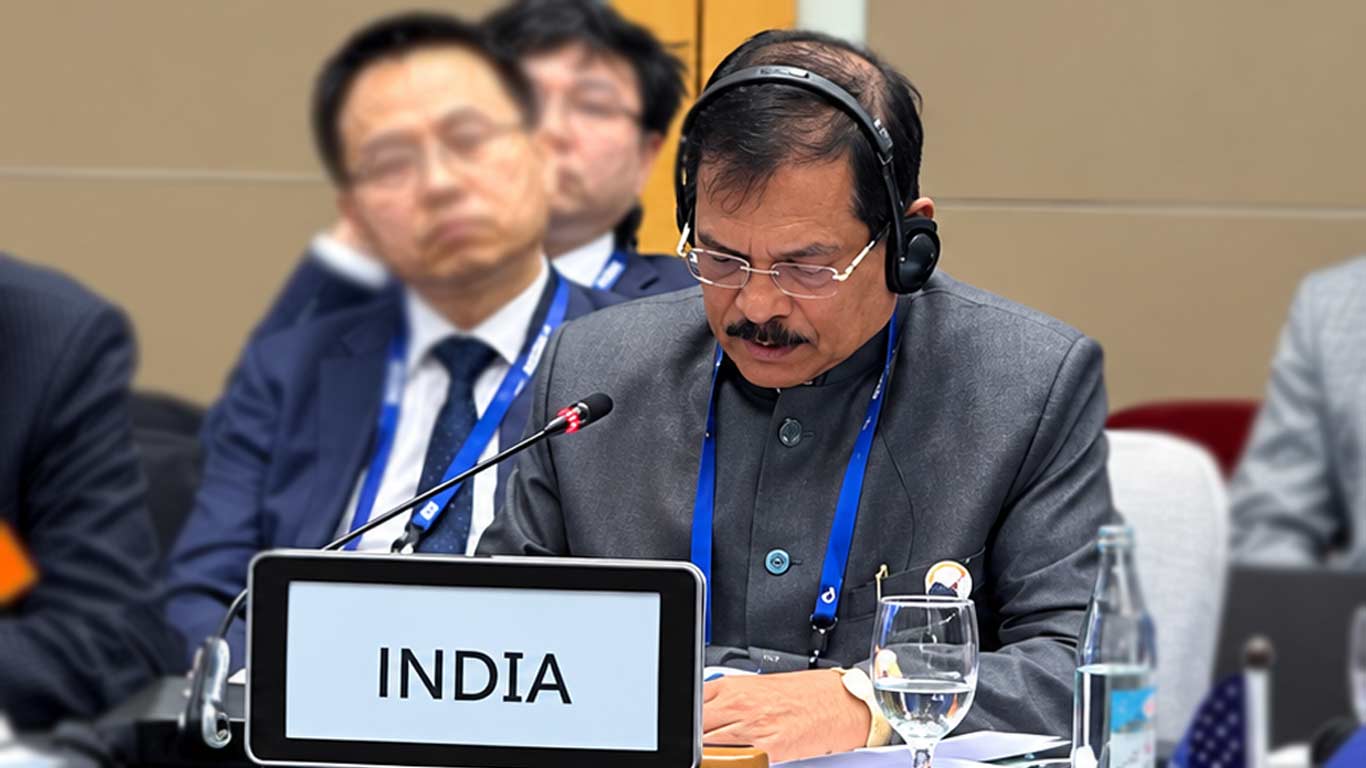
“All the 21 states assessed have advanced on multiple fronts, even as the pace and areas of focus vary,” said Vibhuti Garg, Director – South Asia, IEEFA, and a co-author of the report, according to ET.
Such divergence at the sub-national level is inevitable due to structural and historical differences in resource endowments, fiscal conditions, rural–urban composition and institutional capacity in the power sector, she noted, adding that “going forward, understanding these state-level differences and gaps in progress is essential for designing targeted policies and interventions.”
Ruchita Shah, energy analyst, Ember, and co-author of the report, emphasised, “India’s electricity transition is maturing into a multi-speed transition, where instead of a single leader across all areas, we are witnessing new leaders in specific areas.”
“This requires a more targeted approach to policies and interventions to ensure the momentum is evenly spread,” she added.
Decarbonisation: Southern and Hill States Lead
In the decarbonisation category — which tracks renewable energy growth and emissions intensity — Karnataka retained its top position despite changes in methodology, including recalibration of capacity metrics and inclusion of hydro power.
Himachal Pradesh and Kerala also performed strongly, supported by higher renewable shares and lower emissions intensity. Tamil Nadu, Maharashtra and Rajasthan improved their rankings, partly reflecting gains in energy efficiency.
Distribution and Reliability: Mixed Outcomes
The second dimension assesses distributed solar adoption, power reliability and distribution company (discom) performance.
Delhi and Haryana continued to lead, supported by rooftop solar deployment and relatively stable discom operations.
Chhattisgarh reported a minimal power shortage of 0.07 per cent in FY2025. Bihar completed 78 per cent of its sanctioned smart meters under the Revamped Distribution Sector Scheme as of March 2025, while Assam installed 46 per cent and emerged as a notable performer.
The report notes that strengthening discom finances, ensuring timely subsidies, adopting cost-reflective tariffs and expanding smart metering will be critical to scaling renewable energy procurement.
Market Enablers: EVs and Green Tariffs Gain Ground
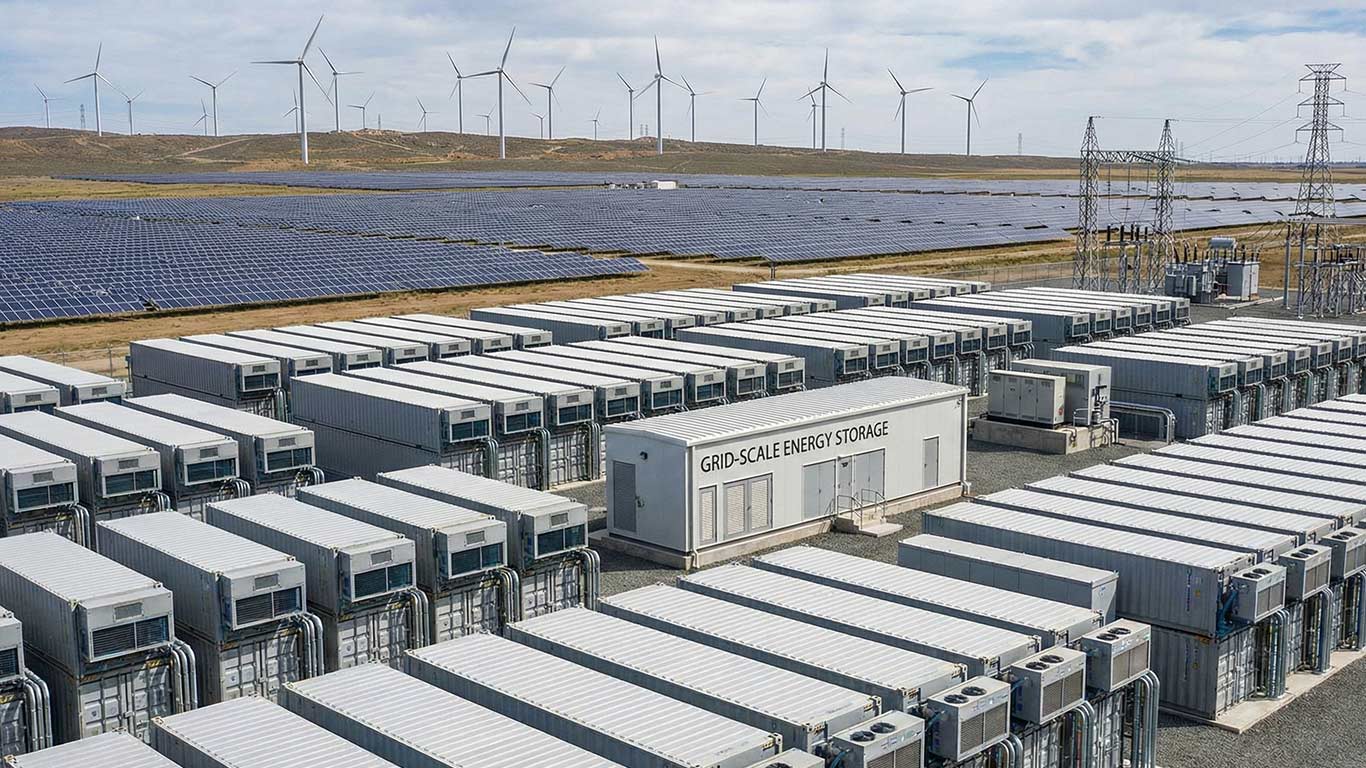
The third dimension reviews electric vehicle (EV) adoption, green hydrogen initiatives, green and time-of-day (ToD) tariffs, and energy storage.
Andhra Pradesh, Uttar Pradesh and Rajasthan were identified as strong performers, supported by updated renewable policies and green tariff measures.
Delhi recorded the highest EV adoption rate at 11.6 per cent in FY2025, followed by Assam at 11 per cent.
Bihar introduced a green tariff for FY2026, set a target of around 24 GW of renewable capacity by FY2030, and reported EV adoption of 8.2 per cent, though it has yet to operationalise energy storage capacity.
Meanwhile, West Bengal, Telangana and Jharkhand remain in the early stages of transition and may require stronger institutional and financial reforms.
Need for Targeted Interventions
The report concludes that while more states are now participating in the transition, progress is increasingly multi-speed. It calls for coordinated centre–state action and state-specific policy interventions to ensure that momentum is sustained and more evenly distributed across the country.
(KNN Bureau)




 Loading...