GST Reduction Expected To Save Rs 20–25 Lakh Per MW For Utility-Scale Solar Projects
Updated: Sep 17, 2025 05:57:54pm

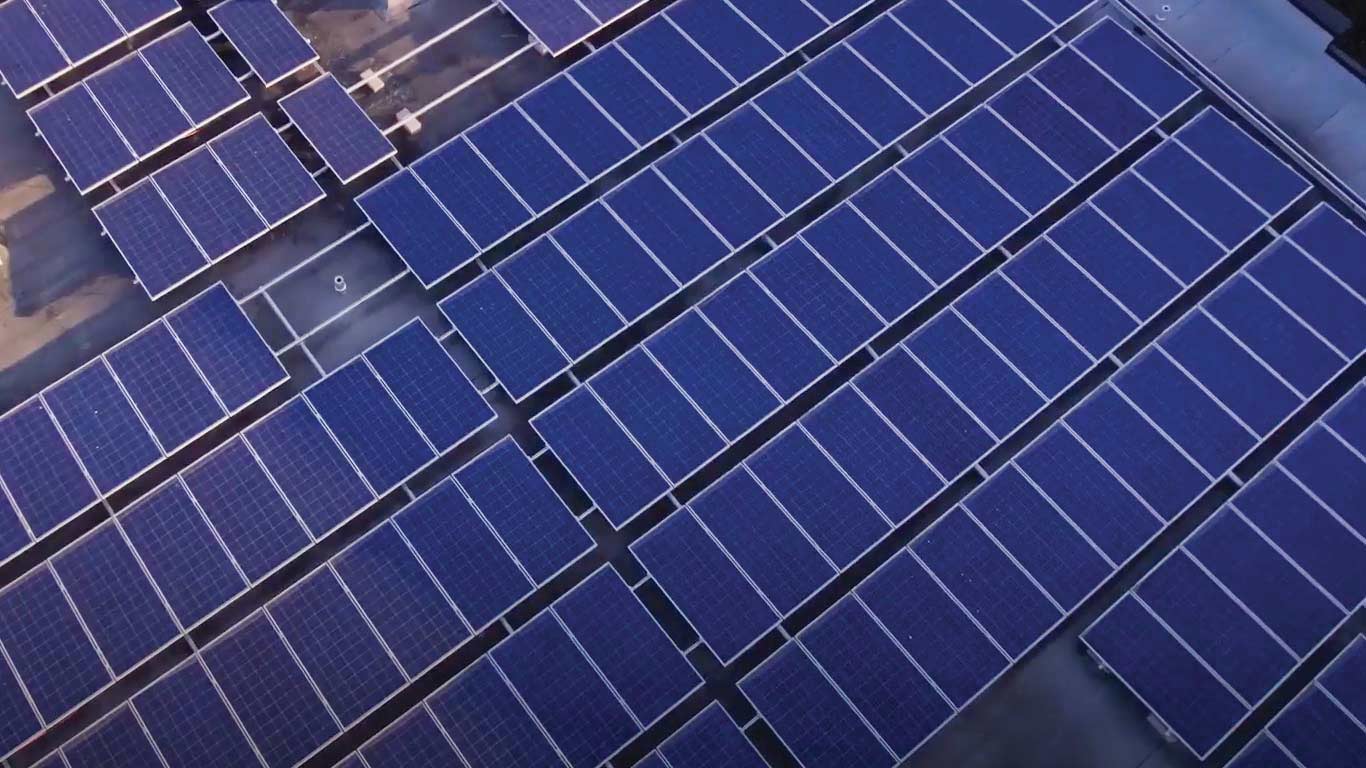
GST Reduction Expected To Save Rs 20–25 Lakh Per MW For Utility-Scale Solar Projects
New Delhi, Sep 17 (KNN) The revised Goods and Services Tax (GST) rates, effective September 22, 2025, are expected to reduce project costs, promote wider adoption of clean energy, and boost India’s progress toward its climate goals.
According to industry estimates, the reduction could save Rs 20–25 lakh per megawatt (MW) for utility-scale solar projects.
For a 500 MW solar park, this translates into cost reductions exceeding Rs 100 crore, improving tariff competitiveness and easing the financial burden on distribution companies (DISCOMs).
Nationwide, the measure is expected to lower power procurement costs by Rs 2,000–3,000 crore annually, benefiting end consumers with more affordable clean electricity.
Households installing rooftop solar systems are likely to see costs fall by Rs 9,000–10,500 for a typical 3 kW system under the PM Surya Ghar: Muft Bijli Yojana.
Farmers enrolled in the PM-KUSUM scheme will also gain, with a 5 HP solar pump becoming cheaper by nearly Rs 17,500. With 10 lakh pumps expected under the scheme, cumulative savings for farmers are estimated at Rs 1,750 crore.
Rural communities are also projected to benefit through reduced costs for decentralised energy solutions such as mini-grids, livelihood applications, and solar-powered water systems.
The GST cut is expected to reduce module and component costs by 3–4 per cent, improving the competitiveness of domestic manufacturers.
With India targeting 100 GW of solar manufacturing capacity by 2030, the reform is projected to encourage new investments and create between 5–7 lakh green jobs over the next decade.
The government projects that lower costs will accelerate signing of power purchase agreements, faster project commissioning, and expanded investment capacity of up to Rs1–1.5 lakh crore by 2030.
Each gigawatt (GW) of solar capacity avoids approximately 1.3 million tonnes of carbon dioxide emissions annually; faster deployment supported by the GST cut could help avoid 50–70 million tonnes of emissions per year by the end of the decade.
(KNN Bureau)









 Loading...