India Achieves 50% Non Fossil Fuel Power Capacity
Updated: Jul 15, 2025 04:53:46pm


India Achieves 50% Non Fossil Fuel Power Capacity
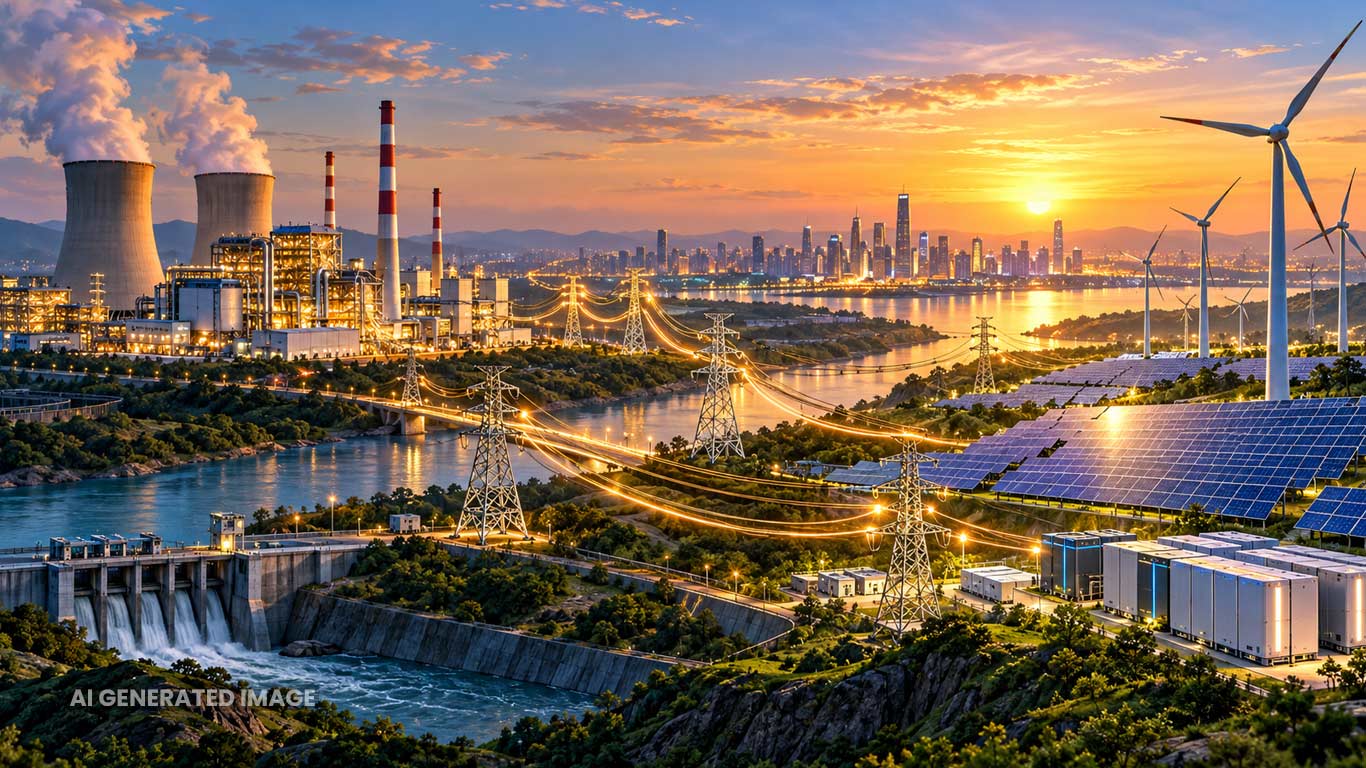
New Delhi, Jul 15 (KNN) India has reached a major milestone in its energy transition: half of its total installed electricity capacity—242.8 GW of 484.8 GW—is now sourced from non‑fossil fuels, marking a significant achievement five years ahead of its 2030 Paris Agreement commitment.
In the first half of 2025, the country’s renewable energy output surged at its fastest pace since 2022, supported by a 3% decline in coal-based generation.
These gains were bolstered by the addition of 28 GW of solar and wind capacity in 2024, followed by an extra 16.3 GW between January and May 2025.
As of June 2025, non‑hydro renewables alone contributed approximately 184.6 GW.
Union Minister Pralhad Joshi celebrated the achievement on social media, hailing it as a “Historic Green Leap,” and credited Prime Minister Modi’s leadership for accelerating India’s clean-energy transition.
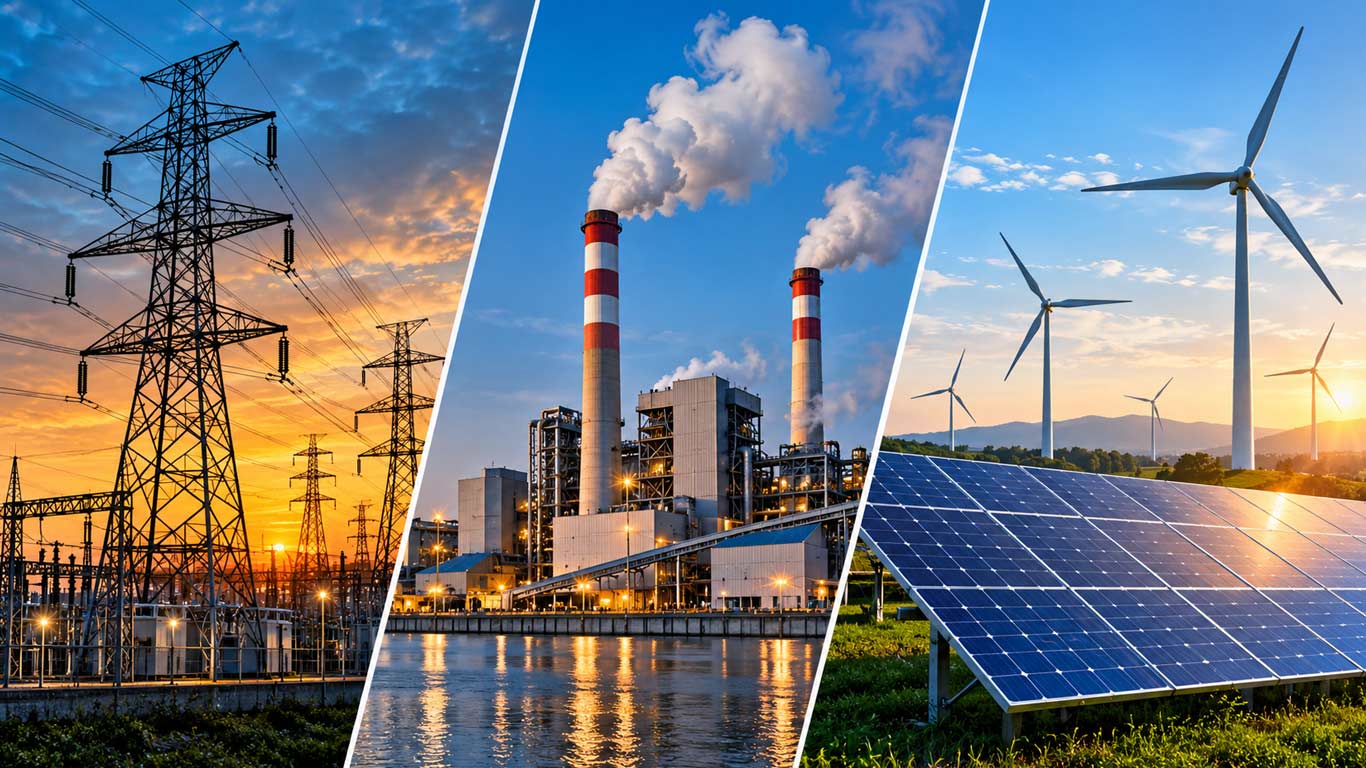
Solar energy has emerged as the dominant contributor—with around 111 GW installed by May, alongside 51 GW of wind and 48 GW of hydro.
Despite the milestone, coal continues to dominate electricity generation: in 2024, India produced around 1,518 TWh from coal versus 240.5 TWh from renewables.
Analysts caution that while installed capacity is vital, actual clean energy generation and grid integration remain crucial next steps.
Currently, renewables account for just 24% of electricity generation despite forming nearly half of capacity .
Looking ahead, India aims to reach 500 GW of non‑fossil fuel capacity by 2030—including hydro and nuclear—while still planning to add 80 GW of coal-fired capacity by 2032 to meet growing demand.
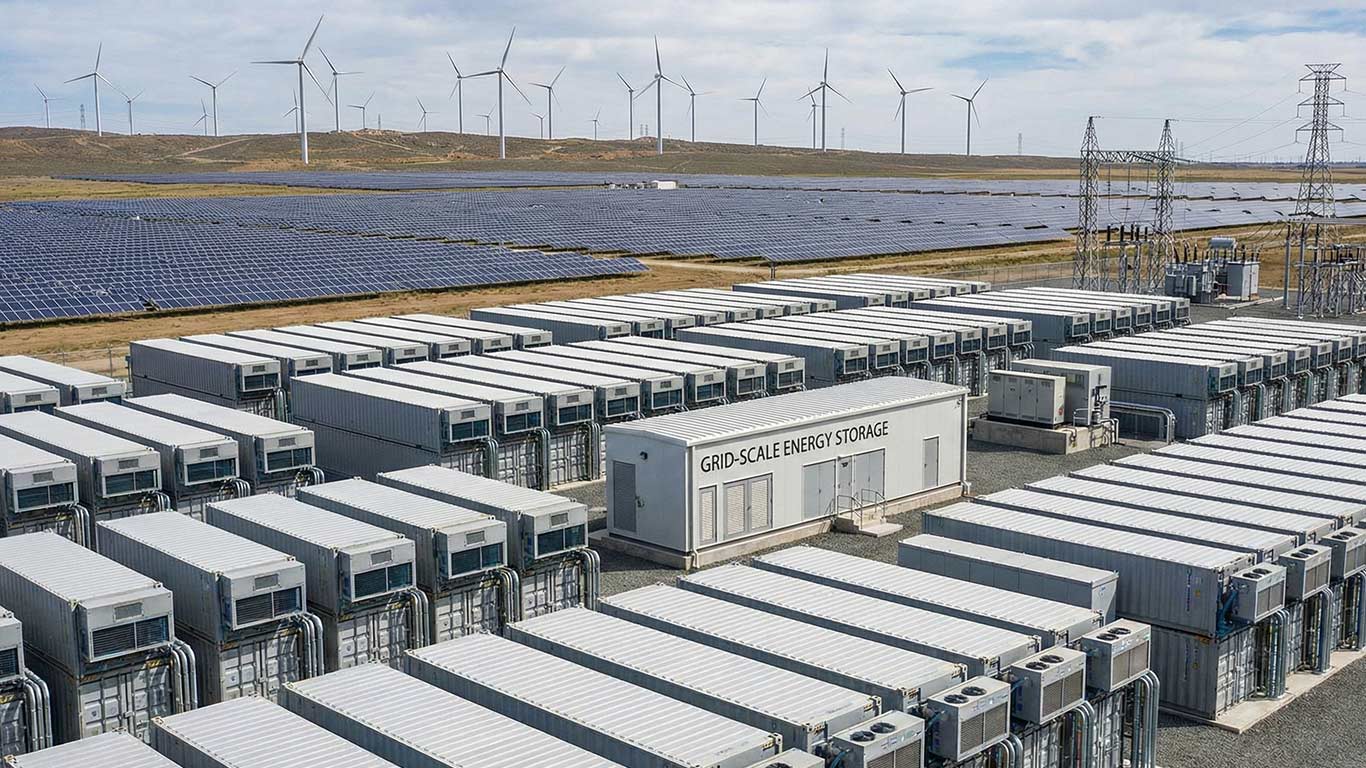
To support decarbonisation, New Delhi is also promoting battery storage, green hydrogen, and circular recycling of renewable components.
Meanwhile, financial and structural challenges in state utilities underscore the need for enhanced infrastructure investments.
This achievement underscores India’s accelerating pace in the clean-energy race—yet it also highlights the importance of translating capacity into actual green power generation and grid resilience as demand continues to rise.
(KNN Bureau)







 Loading...