India Can Emerge As Asia Pacific Data Centre Hub If Power Gaps Are Addressed: Deloitte
Updated: Feb 23, 2026 05:13:05pm


India Can Emerge As Asia Pacific Data Centre Hub If Power Gaps Are Addressed: Deloitte
New Delhi, Feb 23 (KNN) India could emerge as a major data centre hub in the Asia Pacific (APAC) region if it addresses power supply and grid challenges linked to rapid digital and AI-led growth, according to a report by Deloitte.
Debasish Mishra, Chief Growth Officer, Deloitte South Asia, speaking on the report brought out at the recently-concluded India AI Impact Summit, said India accounts for nearly 20 per cent of global data consumption but hosts less than 5 per cent of the world’s data centres, indicating significant scope for expansion, PTI reported.
He noted, "India has a rare structural opportunity to rise as one of the world's leading data centre hubs, powered by its cost competitiveness, deep talent and rapidly expanding renewable energy base. The defining moment will be how swiftly power availability and transmission readiness scale with the country's digital ambition."
Strong Structural Advantages
The report notes that India has structural advantages, including lower construction and land costs, competitive power tariffs and a large AI-skilled workforce.
Policy support is also strengthening as the Union Budget 2026–27 has proposed a tax holiday until 2047 for foreign companies offering cloud services globally from India, along with preferential tax treatment to encourage data centre investments.
APAC is projected to attract about USD 800 billion in data centre investments by 2030, increasing its share of global capacity to 40 per cent. India is seen as a strong contender to capture a significant share of this growth.
India’s data centre capacity is expected to expand from around 1.5 GW in 2025 to 8–10 GW by 2030, driven largely by AI-led demand.
Rising Power Demand and Grid Pressure
The report cautions that AI-driven expansion will sharply increase electricity consumption. Additional demand from AI-linked data centres could rise to 40–45 terawatt hours (TWh) by 2030, compared to 10–15 TWh in 2024. This could raise the sector’s share in national electricity consumption from about 0.8 per cent to 2.5–3 per cent.
AI-focused server racks can consume 10–15 times more power than traditional systems, intensifying energy requirements. Although India benefits from relatively low electricity costs and a modern grid in parts, rapid capacity additions could create supply gaps if generation and transmission infrastructure do not expand at the same pace.
Major data centre hubs such as Maharashtra, Tamil Nadu, Uttar Pradesh, Karnataka, Telangana and Andhra Pradesh could each face an additional 2–3 GW of peak demand by 2030, equivalent to 5–20 per cent of their current peak load.
Policy and Infrastructure Reforms Needed
The report highlights several structural gaps, including slower transmission upgrades compared to renewable capacity additions, grid stability constraints in high-growth corridors, and the absence of a unified national framework for renewable integration for data centres.
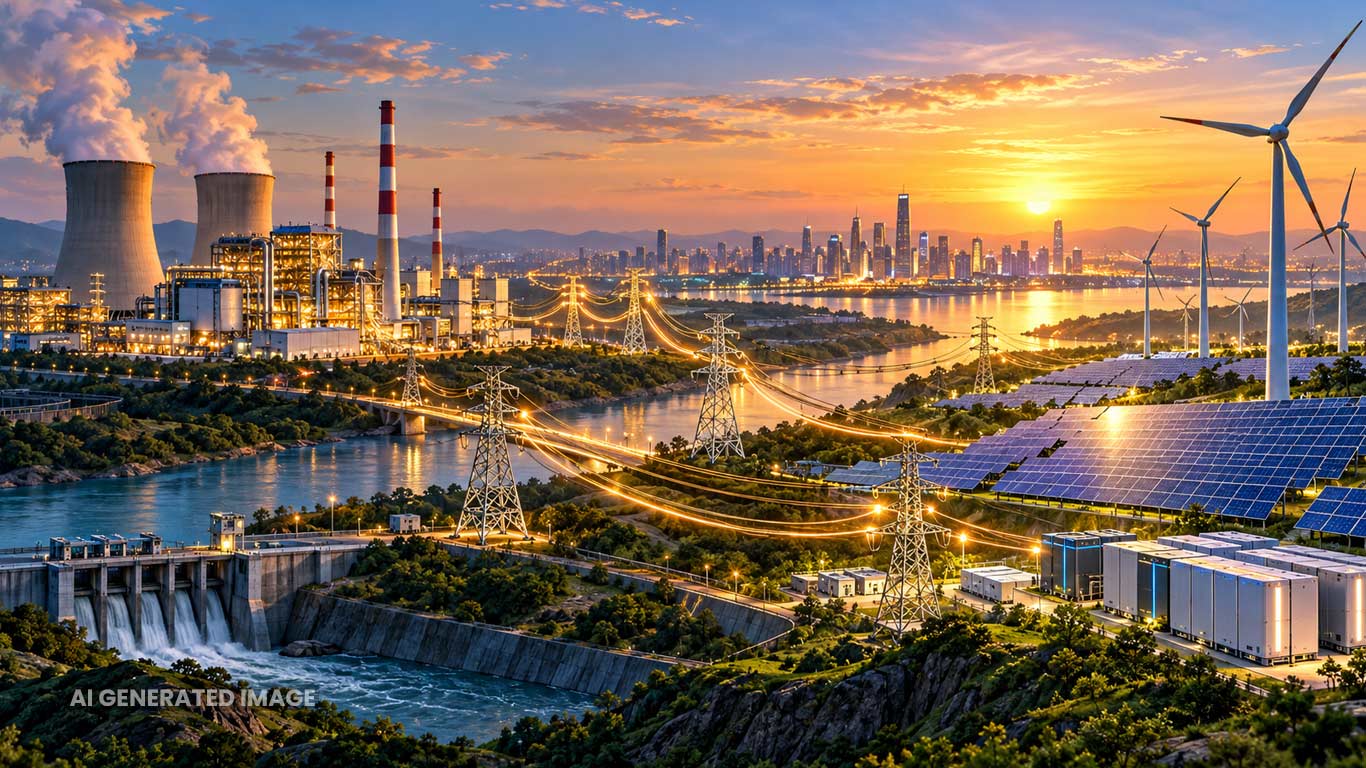
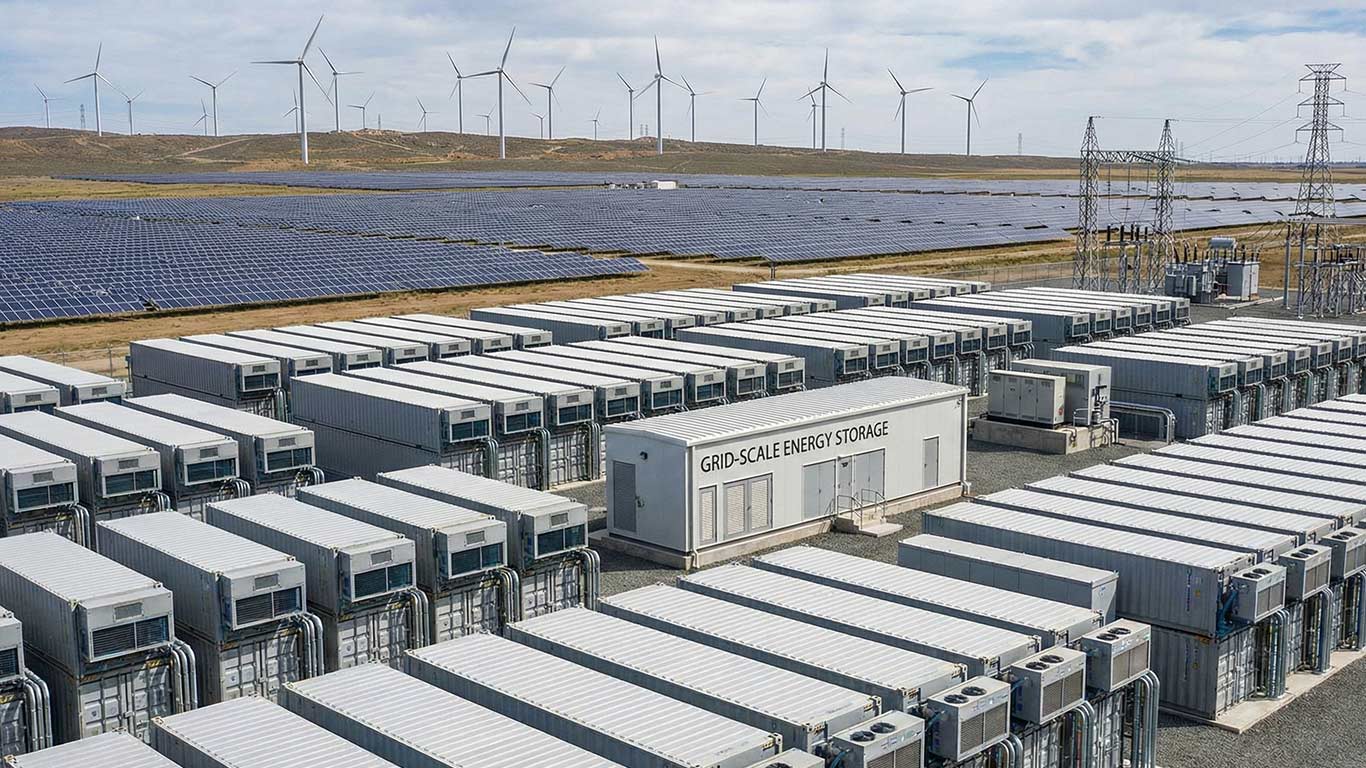
To address these issues, Deloitte recommends accelerating solar-wind hybrid projects combined with energy storage to ensure round-the-clock supply. Expanding long-term green power purchase agreements (PPAs), group captive models and captive renewable installations could provide tariff stability.
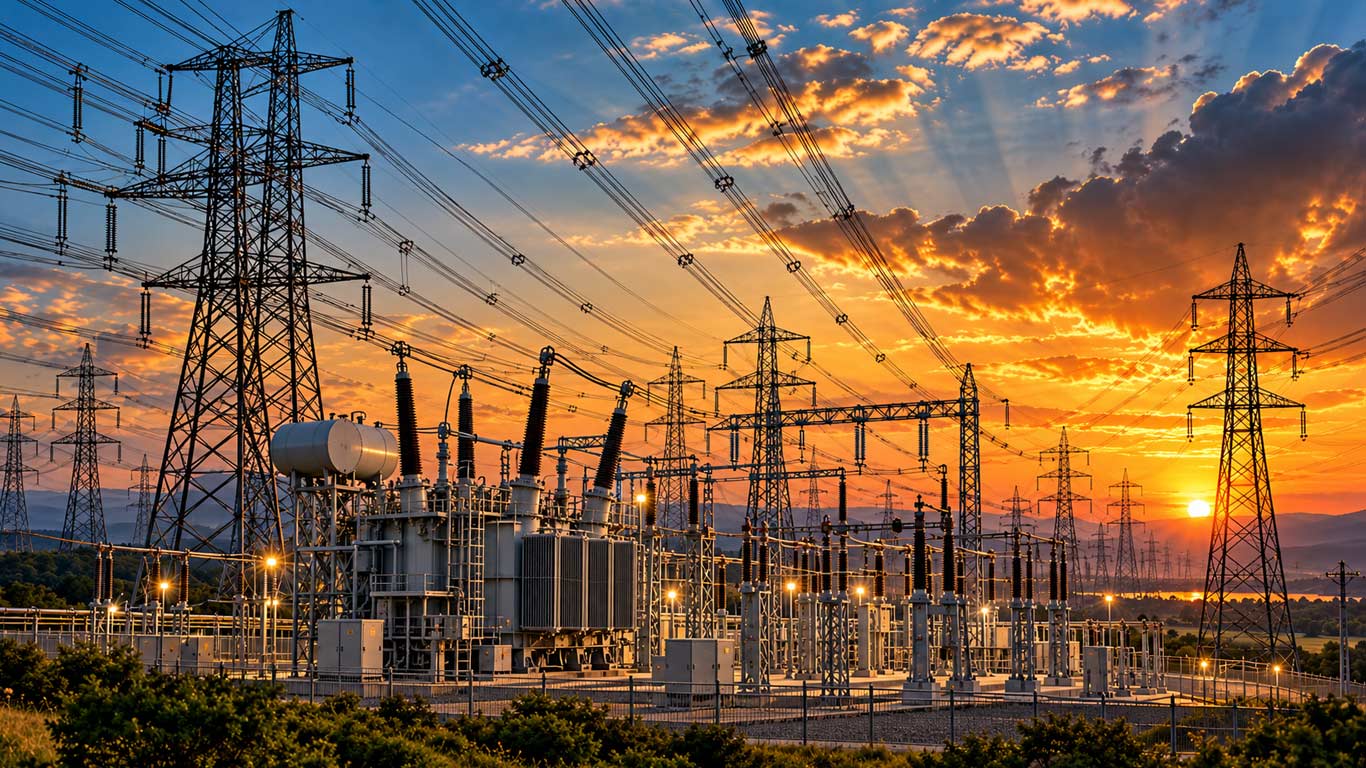
It also calls for strengthening transmission networks, expanding high-capacity substations near growth clusters, and creating dedicated Data Centre Economic Zones with pre-built power infrastructure. Standardising renewable banking policies across states and using AI tools to optimise energy use during periods of high renewable availability were also suggested.
(KNN Bureau)







 Loading...


