India Eyes Rs 30 Lakh Crore Investment in Renewable Energy, Calls for Financing Reforms
Updated: Dec 13, 2024 04:28:05pm

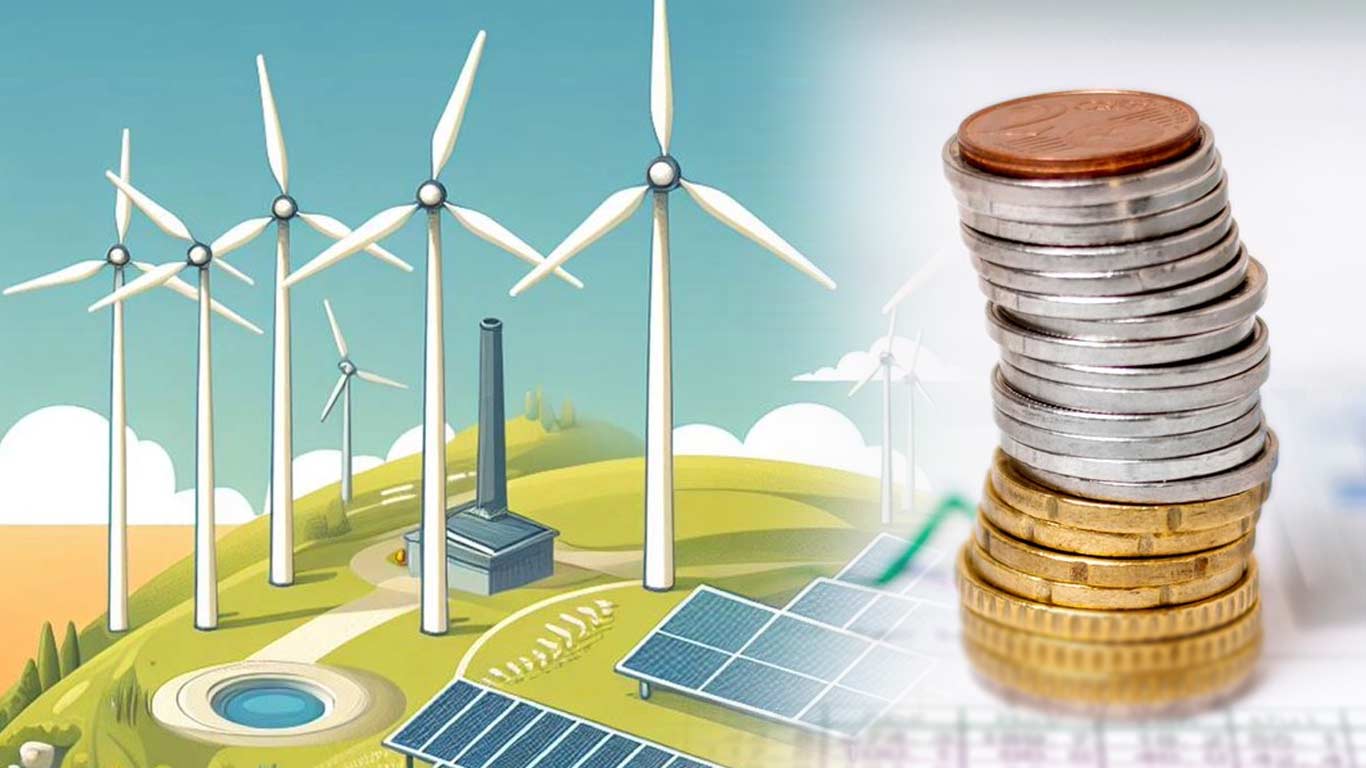
India Eyes Rs 30 Lakh Crore Investment in Renewable Energy, Calls for Financing Reforms
New Delhi, Dec 13 (KNN) In a pivotal discussion at the Global Economic Policy Forum organised by the Confederation of Indian Industry, senior government officials and international experts emphasised the critical need for transformative financial strategies to accelerate India's renewable energy transition.
P K Singh, Secretary, Ministry of New and Renewable Energy (MNRE), called for banks to establish a renewable energy financing obligation, highlighting the sector's substantial investment requirements of Rs 30 lakh crore.
Singh noted the current financing landscape is predominantly driven by non-banking financial companies (NBFCs), with traditional banks contributing minimally to renewable energy investments.
His stark assessment underscored the urgency of adopting a ‘renewable energy lens’ to effectively address climate change goals and support India's decarbonisation efforts.
The discussion gained further momentum with India's recent achievement of becoming the third-largest renewable energy producer globally, surpassing Brazil, and emerging as the third-largest solar energy producer ahead of Japan.
International experts at the forum emphasized that this progress requires sustained and strategic financial support.
World Bank Country Director for India, Dr. Auguste Tano Kouame, provided a nuanced perspective on energy transition, describing it not as an additional cost but as an economic transformation involving substitution.
He highlighted the market's growing preference for cleaner energy solutions and the significant employment potential of this transition.
While current coal-related sectors employ 5.6 million workers, the renewable energy sector is projected to generate an additional 56 million jobs.
Michael Greenstone from the University of Chicago's Energy Policy Institute articulated three fundamental objectives: expanding energy access, ensuring clean air, and effectively managing climate change.
He drew attention to India's relatively low energy consumption and the severe health implications of air pollution, which he estimated causes people to lose 3-5 years of life expectancy.
The forum culminated with a unified call for collaborative approaches among governments, financial institutions, and markets.
Singh's proposal for a renewable energy financing obligation emerged as a potential cornerstone strategy, signalling a comprehensive approach to achieving India's ambitious climate goals while driving economic transformation.
The discussions underscored the complex yet promising landscape of India's energy transition, positioning financial innovation and strategic investment as key drivers of sustainable development.
(KNN Bureau)








 Loading...