India Identifies Over 200 GW Of Pumped Storage Potential To Bolster Renewable Energy Transition
Updated: Aug 06, 2025 04:59:02pm


India Identifies Over 200 GW Of Pumped Storage Potential To Bolster Renewable Energy Transition
New Delhi, Aug 6 (KNN) India has identified a pumped storage potential exceeding 200 gigawatts (GW) nationwide, with 8 GW currently under construction and 61 GW in various stages of planning and development, the Ministry of Power said on Monday.
The update was shared during a Consultative Committee meeting of the Ministry of Power, chaired by Union Minister for Power and Housing Affairs Manohar Lal on August 4, according to The Economic Times.
The meeting, which focused on India’s long-term energy storage roadmap and energy security, was attended by Minister of State for Power and New & Renewable Energy Shripad Yesso Naik, Members of Parliament, senior officials from the ministry and Central PSUs, and experts from the Central Electricity Authority (CEA).
The Ministry noted that India already has an installed capacity of 6.4 GW of pumped storage projects (PSPs).
To accelerate development, the government is offering a complete waiver of Inter-State Transmission System (ISTS) charges for projects awarded before June 2028.
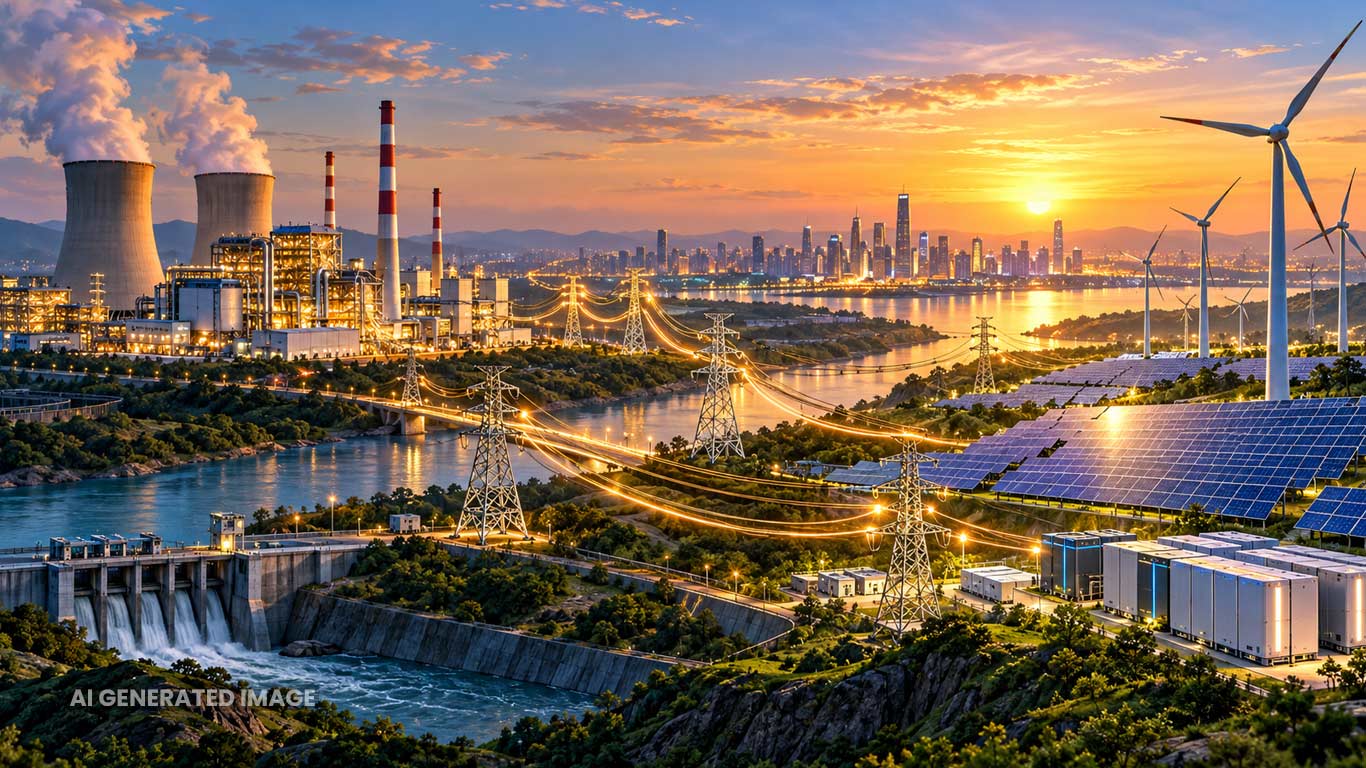
The policy incentives are intended to promote the use of PSPs as a critical complement to India’s expanding renewable energy capacity.
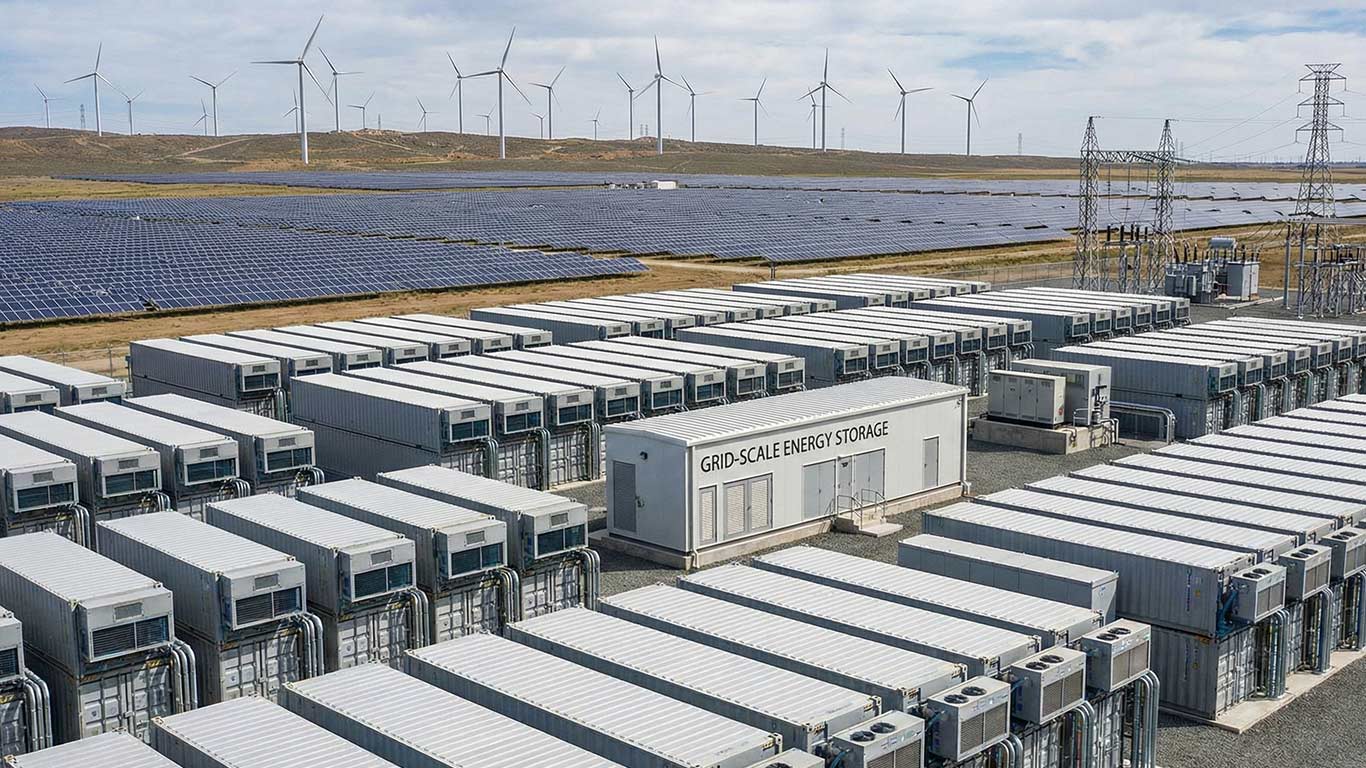
In parallel, the government is scaling up battery-based storage. Under its Viability Gap Funding (VGF) scheme, Rs 9,160 crore has been allocated to support 43 GWh of Battery Energy Storage Systems (BESS)—one of the largest such initiatives globally.
These systems aim to address renewable energy variability by storing surplus generation for use during periods of peak demand.
Minister Manohar Lal underscored the need to integrate renewables with storage to ensure a reliable, round-the-clock power supply.
He reiterated India’s commitment to cutting the emissions intensity of GDP by 45 percent from 2005 levels, and achieving 50 percent of installed electricity capacity from non-fossil fuel sources by 2030.
Minister of State Shripad Yesso Naik noted that India has already met 50 percent of its installed capacity from non-fossil sources, achieving the target five years ahead of schedule.
He highlighted the critical role of Energy Storage Systems (ESS) across the power sector value chain—including generation, transmission, distribution, ancillary services, and electric mobility.
(KNN Bureau)




 Loading...