India Mandates Energy Storage Systems For Solar Projects To Boost Grid Stability
Updated: Feb 19, 2025 02:12:41pm

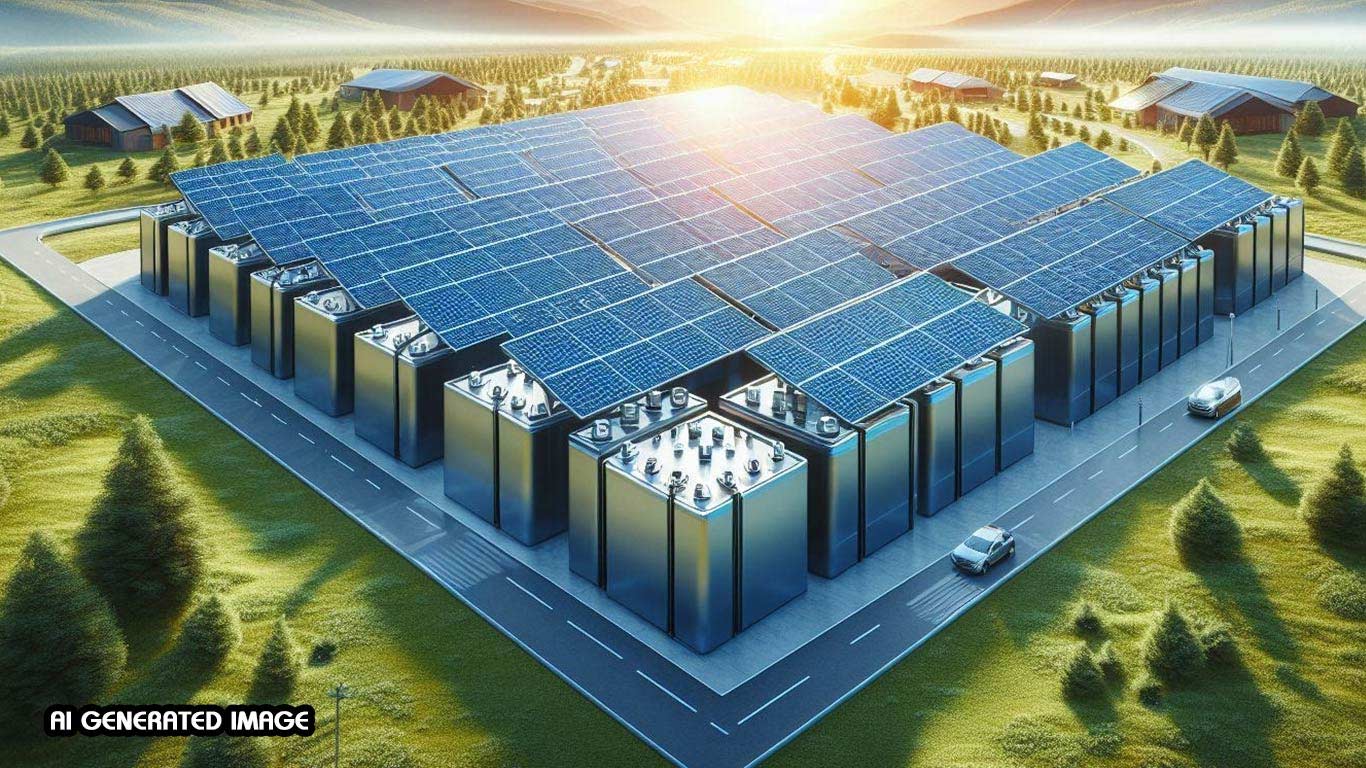
India Mandates Energy Storage Systems For Solar Projects To Boost Grid Stability
New Delhi, Feb 19 (KNN) The Ministry of Power (MoP) has issued a significant directive requiring all Renewable Energy Implementing Agencies (REIAs) and state utilities to incorporate energy storage systems (ESS) in their solar installations.
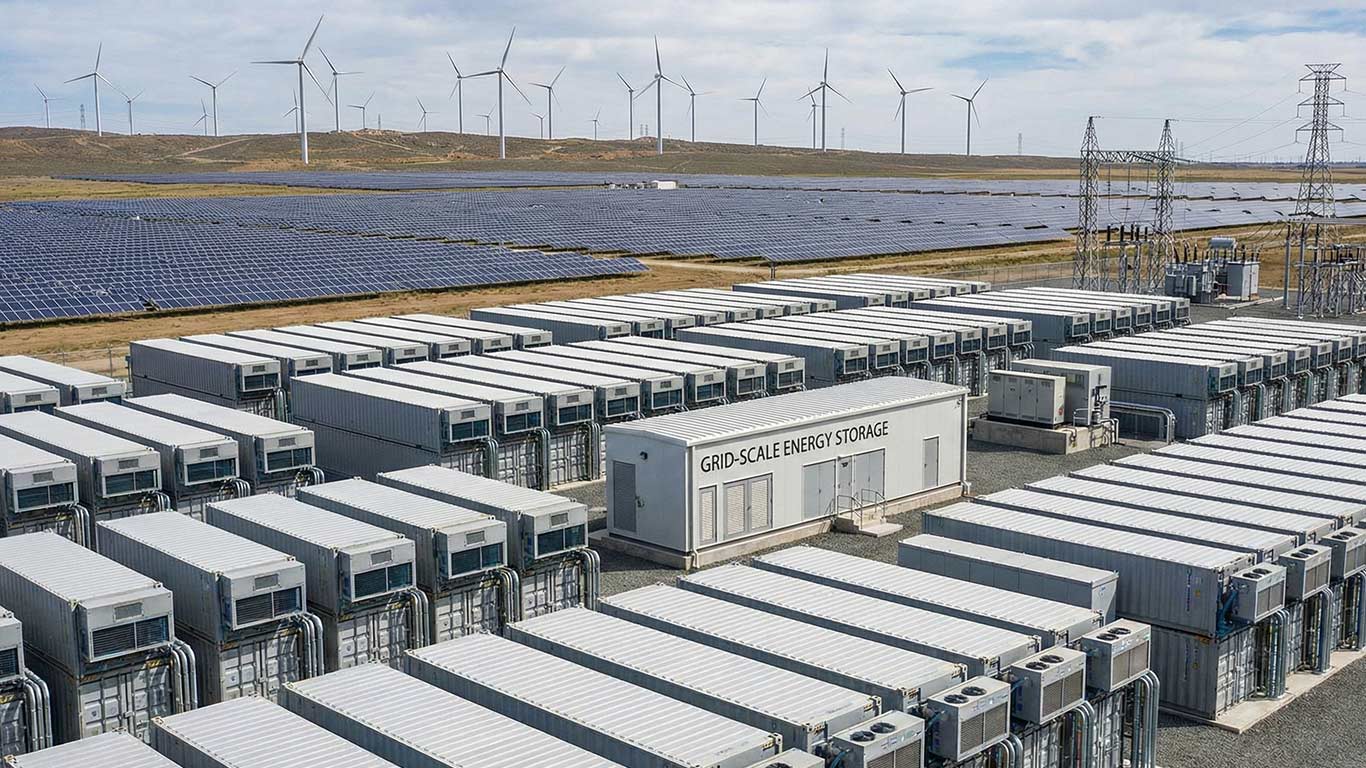
The mandate specifies that solar projects must include a minimum two-hour co-located storage system equivalent to 10 per cent of the installed solar capacity, marking a substantial shift in India's renewable energy infrastructure strategy.
The advisory, which extends to state governments and generating stations, also suggests that distribution licensees consider implementing similar storage requirements for rooftop solar installations.
This initiative is projected to result in the installation of approximately 14 GW/28 GWh of storage capacity by 2030, advancing India's ambitious goal of achieving 500 GW of renewable energy capacity within the same timeframe.
The storage systems will operate in either single-cycle or double-cycle modes. In single-cycle operation, the system charges using nearby solar power and discharges during evening hours.
The double-cycle mode enables charging from the grid during low-demand periods and discharging during peak hours, in addition to utilising solar power, thereby optimising energy distribution and grid stability.
Current storage capacity stands at 4.86 GW as of December 2024, comprising 4.75 GW of pumped storage projects and 0.11 GW of battery energy storage systems.
However, according to the National Electricity Plan published by the Central Electricity Authority, India's renewable energy integration goals will require a substantial increase in storage capacity, reaching 73.93 GW/411.4 GWh by 2032 to support the targeted 364 GW of solar and 121 GW of wind capacity.
This mandate builds upon the Ministry of New and Renewable Energy's 2023 proposal, which outlined a bidding trajectory of 50 GW annually for financial years 2024 to 2028, including a minimum of 10 GW of wind tender.
In response to these initiatives, REIAs and state agencies have already begun issuing standalone energy storage tenders, demonstrating the sector's commitment to advancing India's renewable energy infrastructure.
(KNN Bureau)






 Loading...


