India’s Non-Fossil Power Capacity Crosses 272 GW; India–UK Offshore Wind Taskforce Formed
Updated: Feb 18, 2026 05:40:25pm


India’s Non-Fossil Power Capacity Crosses 272 GW; India–UK Offshore Wind Taskforce Formed
New Delhi, Feb 18 (KNN) Union Minister for New and Renewable Energy Pralhad Joshi on Wednesday said India’s installed non-fossil fuel-based power capacity has crossed 272 gigawatts (GW).
The Minister was speaking at the launch of the ‘India–UK Offshore Wind Taskforce’.
Progress Towards 2030 and Net-Zero Goals
The development comes as India advances towards its target of achieving 500 GW of renewable energy capacity by 2030 and net-zero emissions by 2070.
The Minister said that in the current financial year, India has added more than 35 GW of solar capacity and 4.61 GW of wind capacity. He also noted that 50 per cent of India’s cumulative installed electricity capacity now comes from non-fossil sources — achieved five years ahead of its Nationally Determined Contribution commitment.
“Today, India’s installed non-fossil capacity stands at over 272 GW, with solar at more than 141 GW and wind at 55 GW. To give you an idea of our scale, almost 3 million households have benefitted from rooftop solar under PMSGMBY in less than two years. We have solarised 2.1 million pumps under another scheme, called PM-KUSUM,” he added, according to PTI.
Strategic Push for Offshore Wind
Joshi said offshore wind will form a key part of the next phase of India’s energy transition. Potential offshore wind zones have been identified along the coasts of Gujarat and Tamil Nadu.
Transmission planning has been completed for an initial 10 GW offshore evacuation capacity, divided equally between the two states.
The government has also approved a Viability Gap Funding (VGF) scheme with an outlay of Rs 7,453 crore (around GBP 710 million) to support early-stage offshore wind projects.
The taskforce has been formed under the India–U.K. Vision 2035 framework and the Fourth Energy Dialogue. According to the Minister, it will provide strategic coordination to develop India’s offshore wind ecosystem.
He said the United Kingdom brings experience in scaling offshore wind markets, while India offers growing demand, manufacturing potential and a rapidly expanding clean energy base.
Cooperation Areas and Green Hydrogen Progress
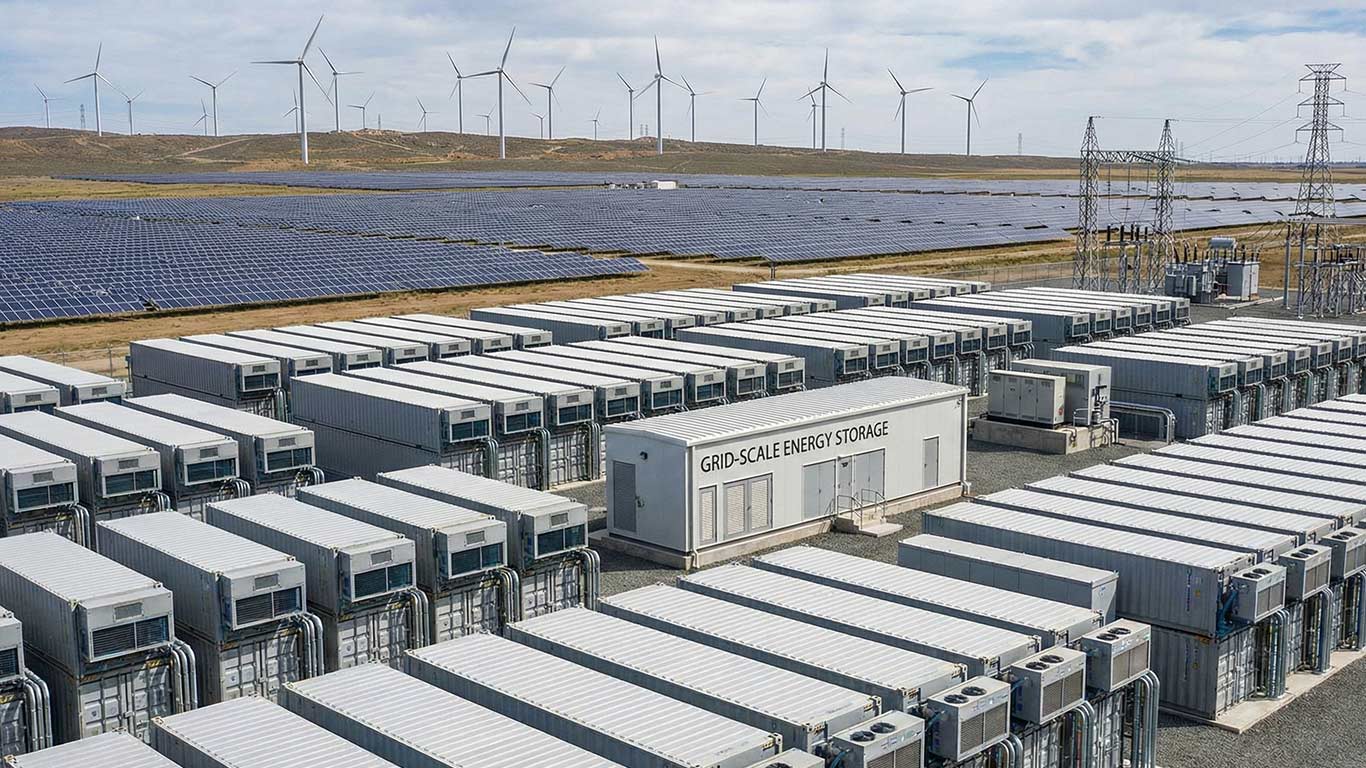
The partnership will focus on seabed leasing systems, grid integration, port upgrades, local manufacturing, financing models and risk mitigation. Offshore wind development, the Minister said, will be aligned with transmission infrastructure, energy storage and emerging coastal green hydrogen clusters.
Joshi also highlighted progress under the National Green Hydrogen Mission, noting that green hydrogen prices have declined to Rs 279 per kilogram.
He described the new taskforce as a step towards deeper execution-level cooperation between India and the United Kingdom in advancing clean energy objectives.
(KNN Bureau)






 Loading...