Export Promotion Mission Schemes Set For Inter-Ministerial Review
Updated: Feb 20, 2025 02:53:36pm

Export Promotion Mission Schemes Set For Inter-Ministerial Review
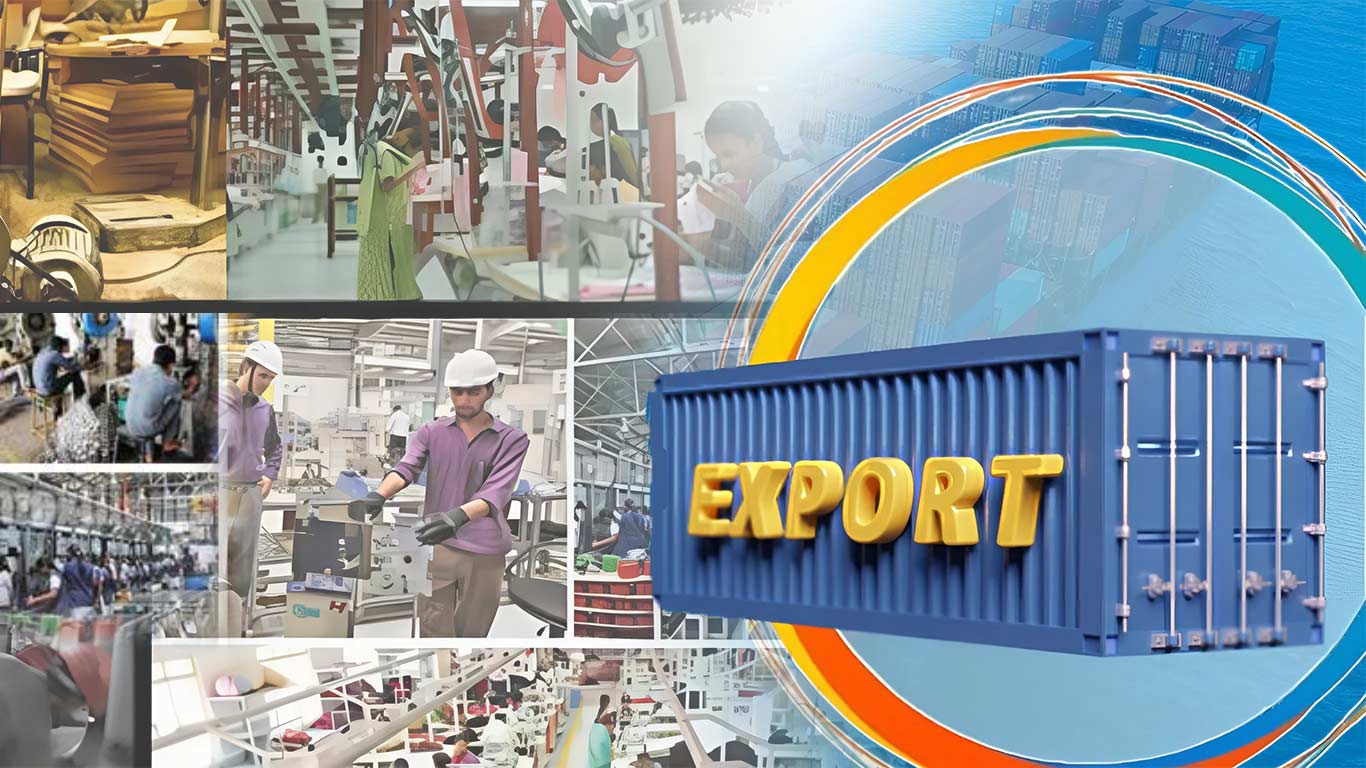
New Delhi, Feb 20 (KNN) Inter-ministerial consultations are set to commence for finalising schemes under the Export Promotion Mission, senior government officials announced Monday.
The initiative, allocated Rs 2,250 crore in the FY26 Budget, will primarily focus on addressing export credit challenges faced by micro, small and medium enterprises (MSMEs) and promoting alternative financing mechanisms such as factoring.
Director General of Foreign Trade Santosh Kumar Sarangi confirmed that the Ministry of Finance, Ministry of MSMEs, and Department of Commerce are collaboratively developing the mission's schemes, which will require Cabinet approval upon completion.
A key focus of the initiative is alleviating the burden of high collateral requirements for exporters through the development of mechanisms that would enable increased export credit with reduced or eliminated collateral requirements.
The current landscape of export financing reveals a significant gap, with only USD 124.7 billion provided against a total requirement of USD 284 billion for exports valued at USD 437 billion in 2023-24.
Looking ahead, officials project that achieving the targeted USD 1 trillion in exports by 2030 would necessitate export credit of approximately USD 650 billion.
To address this disparity, the government plans to implement a capped collateral support system per exporter and promote factoring services, a financing method widely utilised internationally that allows exporters to sell their receivables at a discount to service providers who assume collection risks.
The government is exploring initiatives to bridge the valuation gap between export receivables and their acquisition price by factoring service providers.
Additionally, the mission encompasses support for MSMEs facing non-tariff barriers through reimbursement programs for various compliance requirements, including organic certification, halal certification, electrical goods testing, energy audits, and adherence to European Union regulations on carbon tax and deforestation.
Further support will be extended for infrastructure development, enabling MSMEs to meet non-tariff measures and diversify supply chains.
This includes assistance for procuring alternative inputs to comply with global standards, particularly benefiting farmers and fishermen who must adhere to regulations regarding permissible antibiotics and pesticides.
(KNN Bureau)







 Loading...


