ICRIER Urges Govt Support For Export Sectors Facing Tariff Strain
Updated: Aug 14, 2025 04:55:46pm

ICRIER Urges Govt Support For Export Sectors Facing Tariff Strain
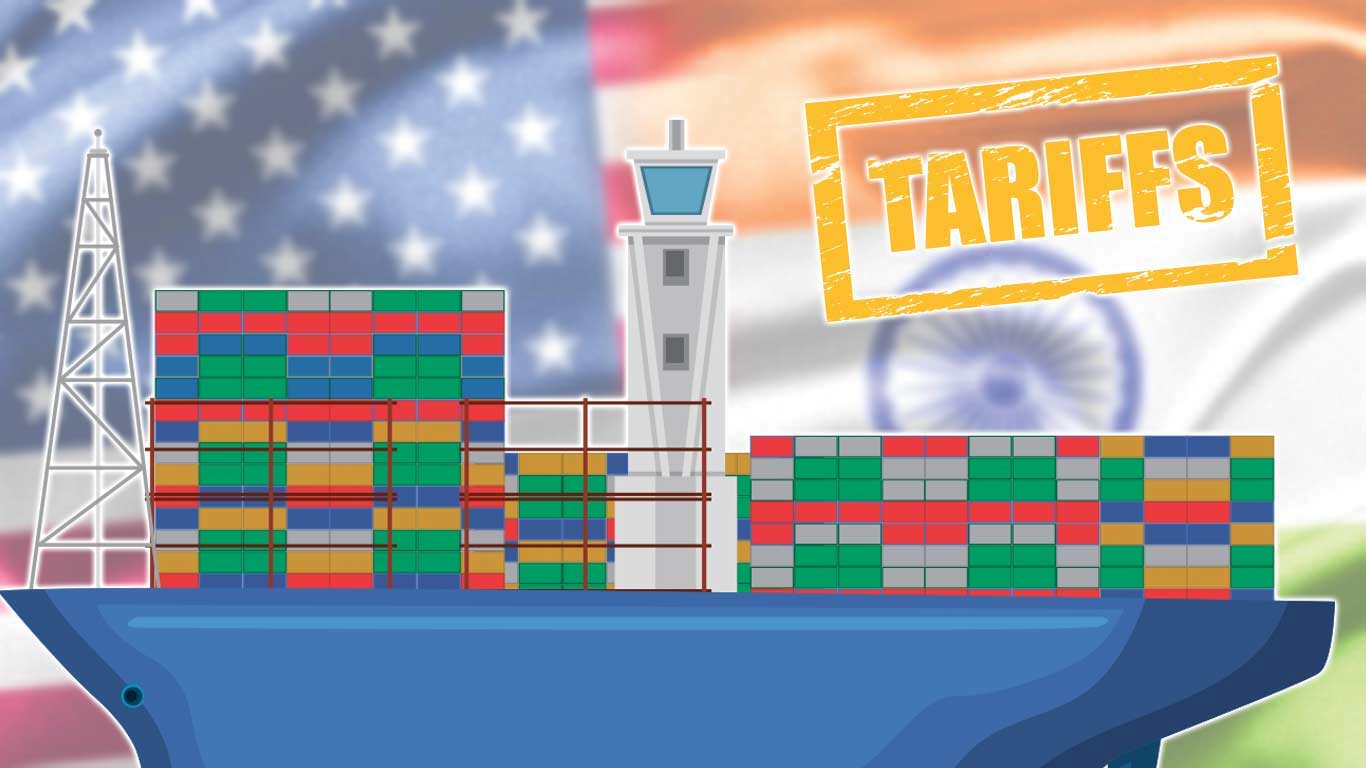
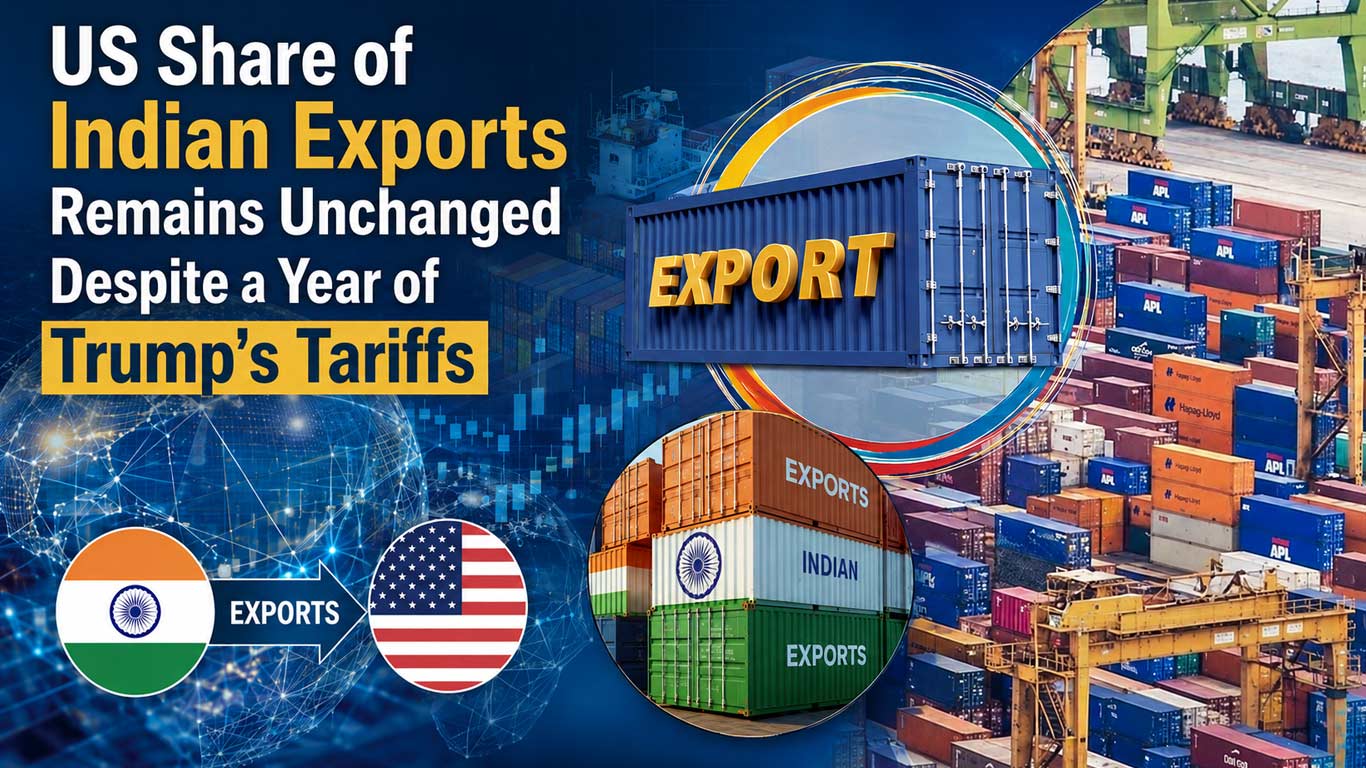
New Delhi, Aug 14 (KNN) Nearly 70 percent of India’s exports could be affected by the 50 percent tariffs recently announced by US President Donald Trump, according to economic think tank ICRIER.
A paper, authored by economists Ashok Gulati, Sulakshana Rao, and Tanay Suntwal, urges the government to provide targeted support for vulnerable sectors such as textiles and gems and jewellery, while pursuing selective tariff cuts on non-sensitive agricultural imports and addressing long-standing US concerns over genetically modified (GM) products.
It stressed that the US remains a critical market for India, even as the country advances trade talks with the UK and EU, and called for ‘smart, tactical negotiation’ ahead of the next round of bilateral discussions later this month.
Agriculture has been a key sticking point in trade talks, with the paper recommending that GM products be evaluated on scientific grounds rather than ideology.
It suggested, for instance, that GM corn could be approved for ethanol blending or poultry feed, and noted the inconsistency of banning GM soya domestically while permitting imports of soya oil.
On market access, the economists proposed steep tariff reductions for agricultural products that are not considered sensitive and have low domestic production — such as walnuts, cranberries, blueberries, and breakfast cereals — while exploring a tariff rate quota system for dairy imports.
Beyond that quota, prohibitive tariffs could remain in place. For dairy specifically, they suggested a certification scheme similar to halal standards, assuring buyers that cattle are pasture-grazed or non-meat fed.
While the study projects smaller losses for agriculture than for other sectors, certain products face specific risks — semi-milled rice could see intensified competition fr0m Thailand and Pakistan, while herbal and nutraceutical exports may struggle to compete.
The paper also called for targeted, time-bound incentives to help textiles and apparel manufacturers close the tariff gap with rival countries, and cautioned that US tariffs could lead to short-term order losses for shrimp producers in Andhra Pradesh, West Bengal, and Odisha.
It urged India to expedite trade agreements with the UK, EU, and other partners to diversify export markets and mitigate the impact of the US measures.
(KNN Bureau)








 Loading...


