India Navigates Trade Turbulence With New FTAs Amid Global Headwinds: RBI
Updated: May 30, 2025 03:04:55pm

India Navigates Trade Turbulence With New FTAs Amid Global Headwinds: RBI
New Delhi, May 30 (KNN) India's export sector faces growing headwinds due to escalating geopolitical tensions and rising protectionist trade policies, with the Reserve Bank of India warning of potential risks from a global tariff war in its 2024–25 annual report.
Despite these challenges, the central bank identified opportunities through India's participation in 14 free trade agreements and six preferential trade agreements that could help mitigate adverse impacts.
The RBI projects global merchandise trade volume to contract by 0.2 percent in 2025 under current tariff conditions as of April 14, 2025.
However, recent developments including the US-UK trade deal and renewed US-China engagement discussions have provided some optimism for global trade prospects.
India is advancing negotiations with several key trading partners, with discussions for agreements with the United States and European Union reportedly in final stages and expected to conclude next month.
The country recently finalised its trade agreement with the United Kingdom, completing three years of negotiations that began in 2022.
Additional negotiations are underway with Oman and Peru, positioning India to expand its trade network significantly.
The country's trade relationships showed mixed results, with deficits widening against China, Russia, and the United Arab Emirates, while surpluses improved with the United States, Netherlands, and United Kingdom.
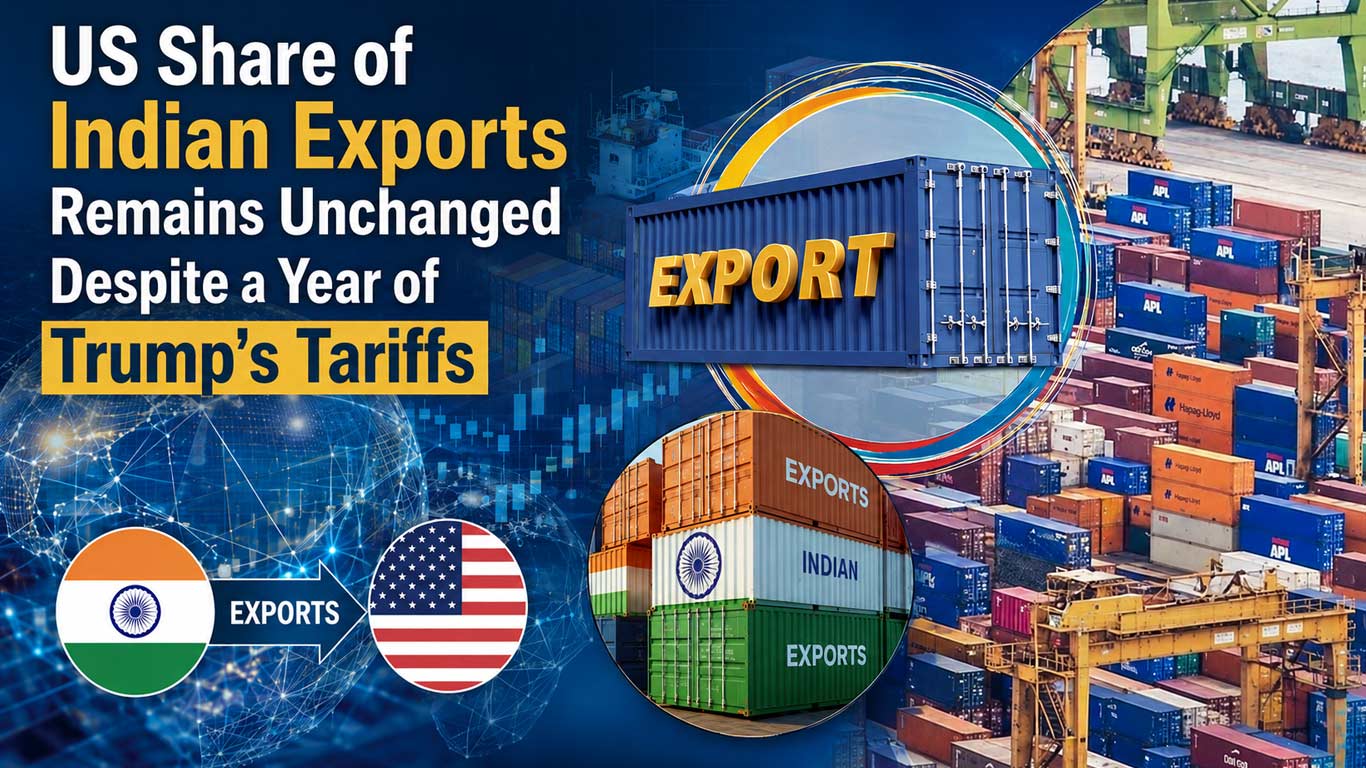
Bilateral trade with the United States reached USD 131.84 billion in fiscal year 2025, representing growth from USD 119.72 billion in the previous year.
Indian exports to the US increased 11.6 percent to USD 86.51 billion, while imports grew at a slower pace of 7.42 percent to USD 45.33 billion.
This performance resulted in India's trade surplus with the US expanding by 16.6 percent to USD 41.18 billion.
The RBI report highlights concerns about rising input costs for manufacturing and subdued domestic demand as potential risks to economic growth.
Recent legal developments in the United States, including a federal court ruling that questioned the justification for country-specific tariffs on Indian goods under emergency economic powers legislation, may influence ongoing trade negotiations.
The evolving global trade environment requires India to balance participation in preferential trading arrangements with broader competitiveness improvements to capture opportunities in the international marketplace.
(KNN Bureau)





 Loading...