Indian Seafood Industry Reels from US Tariff Shock, Seeks 30% Working Capital Boost
Updated: Aug 11, 2025 02:43:43pm

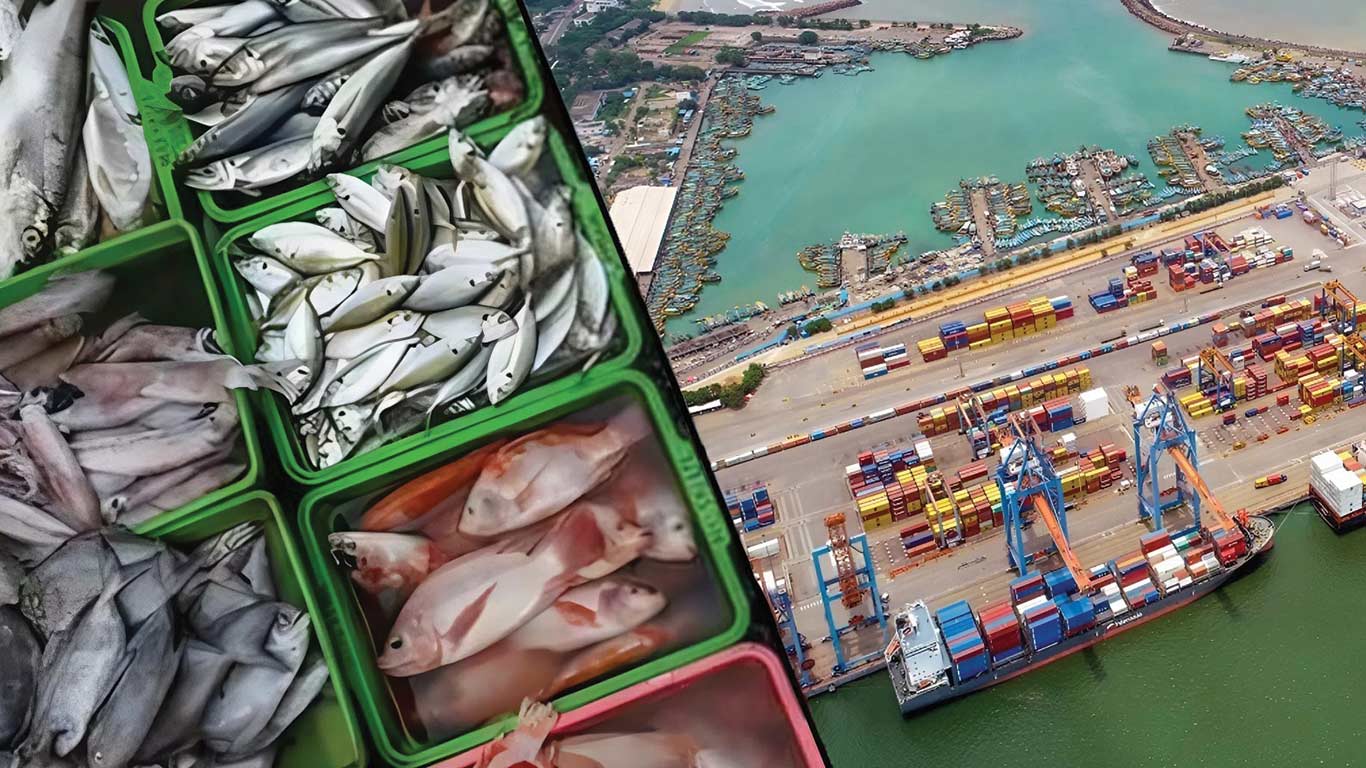
Indian Seafood Industry Reels from US Tariff Shock, Seeks 30% Working Capital Boost
New Delhi, Aug 11 (KNN) The Seafood Export Association of India has formally requested emergency financial assistance from the ministries of commerce and finance following significant disruptions to the country's shrimp export industry.
The disruptions stem from increased tariffs imposed by the United States under President Donald Trump's administration, which threaten approximately USD 2 billion worth of Indian shrimp exports.
The association has submitted a comprehensive support proposal that includes a 30 percent increase in working capital through soft loans, with interest margins to be covered by government subvention.
Additionally, the exporters are seeking a 240-day moratorium for both pre-packaging and post-packaging operations to help weather the current trade difficulties.
According to K.N. Raghavan, Secretary General, Seafood Export Association of India, the situation has deteriorated following recent tariff escalations.
President Trump increased reciprocal tariffs from 25 percent to as high as 50 percent last week, significantly impacting the competitiveness of Indian seafood products in the American market.
India's shrimp export performance to the United States has been substantial in recent years, with USD 2.8 billion worth of shipments recorded in 2024.
The country has already exported USD 500 million worth of shrimp to the US market in the current year. However, the new tariff structure places Indian exporters at a considerable disadfvantage compared to regional competitors.
The elevated tariffs create an uneven playing field for Indian seafood exporters, as competing nations face significantly lower barriers to US market entry. China, Vietnam, and Thailand currently face US tariffs ranging from 20 to 30 percent, making their products substantially more price-competitive than Indian alternatives under the new tariff regime.
Industry officials warn that Asian competitors are likely to capitalise on this pricing advantage by reducing their export prices to capture greater US market share.
Indian exporters face additional constraints as existing shipments cannot be easily redirected to alternative markets without incurring substantial penalties of up to 40 percent for contract violations.
The association is exploring alternative market opportunities to mitigate the impact of reduced US access. However, Secretary General Raghavan noted that developing new export destinations requires significant time investment.
While India has signed a free trade agreement with the United Kingdom, the implementation timeline remains uncertain and will not provide immediate relief to affected exporters.
The current tariff escalation poses a significant threat to one of India's most important agricultural export sectors.
The shrimp export industry provides employment to millions of workers across India's coastal states and represents a crucial contributor to the country's foreign exchange earnings, making the resolution of this trade dispute a priority for both industry stakeholders and government officials.
(KNN Bureau)






 Loading...