Trump’s 25% Tariff Threatens India’s Pharma and Auto Component Exports
Updated: Feb 20, 2025 03:10:06pm

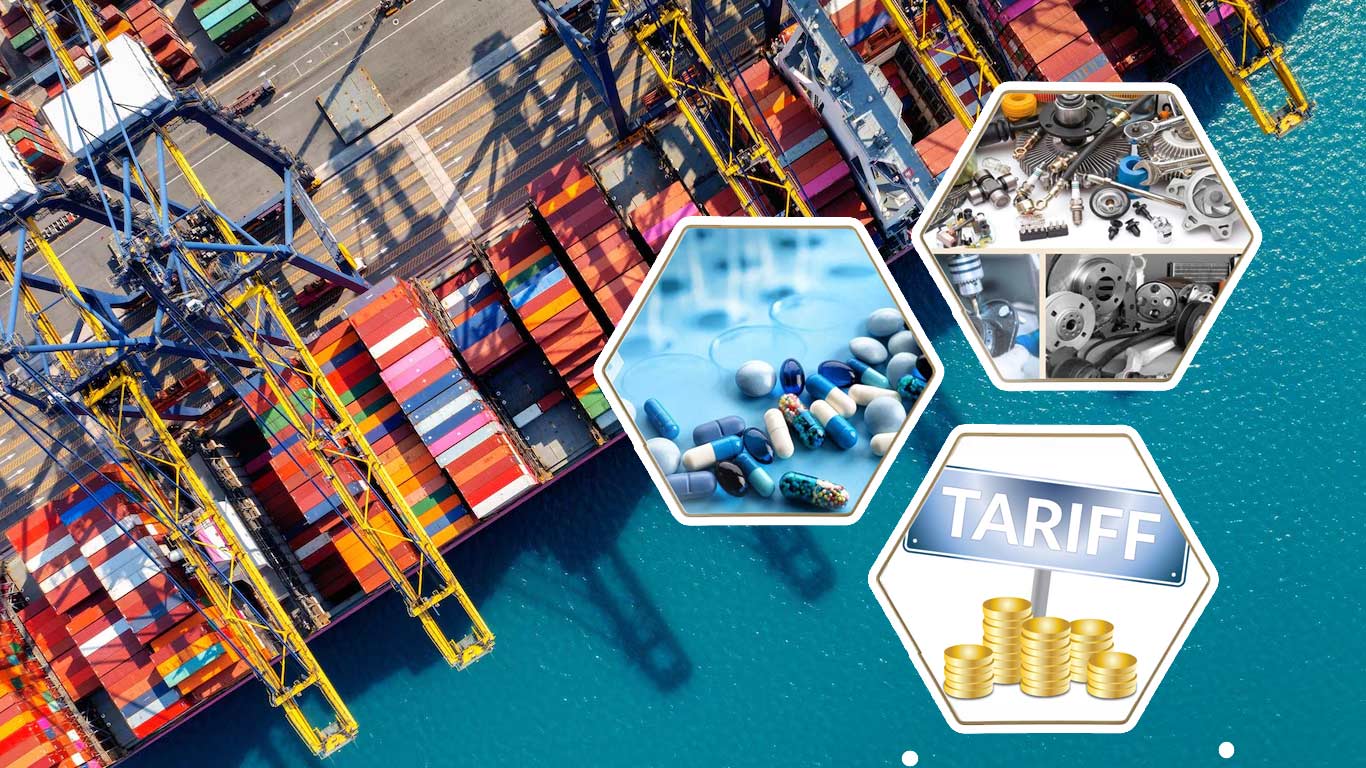
Trump’s 25% Tariff Threatens India’s Pharma and Auto Component Exports
New Delhi, Feb 20 (KNN) U.S. President Donald Trump’s proposed 25 per cent tariff on imports of automobiles, semiconductors, and pharmaceuticals has triggered concerns in India, particularly for its pharmaceutical and auto parts sectors, both of which maintain significant trade ties with the American market.
While India’s nascent semiconductor industry is expected to escape largely unscathed due to its limited scale, the proposed levies could deliver a substantial blow to Indian pharmaceutical exporters.
The U.S. remains India’s largest pharma market, with exports reaching USD 8.73 billion in FY24 — accounting for 31 per cent of the country’s total pharmaceutical exports, according to the Pharmaceuticals Export Promotion Council of India (Pharmexcil).
Indian drugmakers are bracing for potential challenges, fearing that higher tariffs could dampen demand and disrupt supply chains.
"Given our heavy reliance on the U.S. market for growth, even a marginal impact could ripple across the industry," said a senior executive at a leading Indian pharmaceutical firm.
The auto sector, meanwhile, presents a mixed picture. Although only 0.2 per cent of India’s car exports are destined for the U.S., the real threat lies in the auto components segment.
In the first half of FY25, India’s auto parts exports grew by 7 per cent to USD 11.1 billion, with North America absorbing 31 per cent of these shipments.
Analysts warn that a 25 per cent tariff could raise costs for U.S. automakers reliant on Indian components, potentially leading to a decline in demand.
“The U.S. is a key market for Indian auto parts manufacturers, and these proposed tariffs could derail growth momentum,” noted an industry analyst.
While the semiconductor sector may breathe a sigh of relief, India’s pharma and auto components industries now face a period of uncertainty. Stakeholders are calling for diplomatic engagement to mitigate the fallout and safeguard India’s trade interests in these critical sectors.
As global markets react to Trump’s aggressive trade stance, India must navigate these headwinds carefully to protect its export-driven industries.
(KNN Bureau)





 Loading...