External Factors Drive 18% of India's Retail Inflation in October: RBI Study
Updated: Nov 27, 2026 04:25:51pm

External Factors Drive 18% of India's Retail Inflation in October: RBI Study
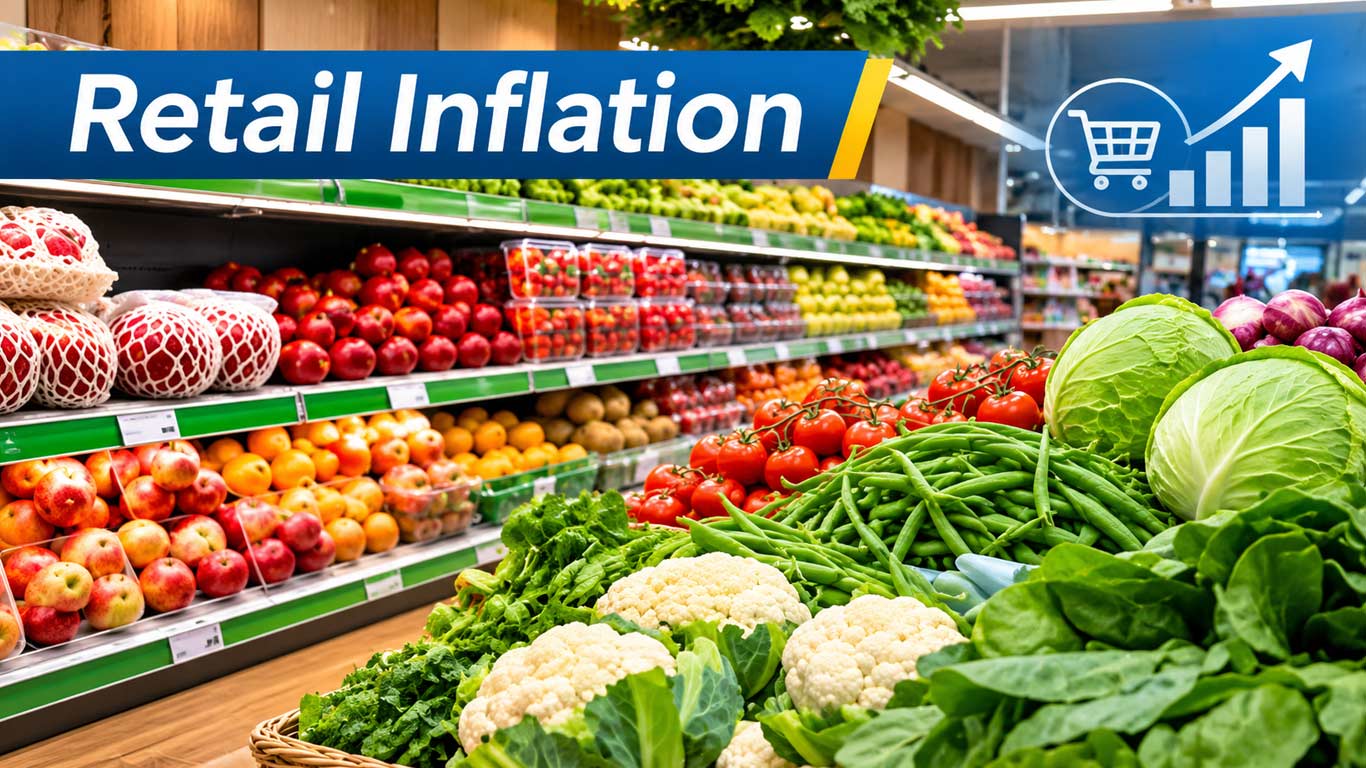
New Delhi, Nov 27 (KNN) External factors contributed around 18 per cent of India's retail inflation in October 2026, despite imported items accounting for just 8.5 per cent of the Consumer Price Index (CPI) basket, according to a study published in the Reserve Bank of India's (RBI) November Bulletin.
The study, titled Shifting Drivers of Imported Inflation: COVID-19 Pandemic to the West Asia Conflict, found that imported inflation moderated to 11.9 per cent in October from 15.3 per cent in June, but remained above headline inflation of 6.1 per cent.
Rising precious metal prices and crude oil costs amid the West Asia conflict were identified as key drivers.
The study noted that precious metals have emerged as a significant contributor to imported inflation, alongside food and fuel.
West Asia Conflict Adds to Oil and Currency Pressures
The conflict triggered a sharper crude oil price shock than the Russia-Ukraine conflict, although the pass-through to domestic retail fuel prices remained limited. Petrol, diesel and other lubricants accounted for 85.9 per cent of imported fuel inflation in October.
The rupee depreciated 7.4 per cent between December 2025 and May 2026, compared with 4 per cent during the corresponding period of 2021-22.
The study attributed rising precious metal prices to global trade and tariff uncertainty, safe-haven demand and increased gold purchases by central banks.
It noted that current inflationary pressures were broader and more intense than those during the Russia-Ukraine conflict.
Inflationary Pressures Become More Widespread
A separate RBI staff paper on the state of the Indian economy in October noted a wider spread of price pressures, with more CPI items recording inflation above 4 and 6 per cent.
Restaurant and accommodation services, along with food and beverages, recorded inflation above 6 per cent, while clothing and footwear, and transport, saw inflation between 4 and 6 per cent.
Headline retail inflation rose to 6.1 per cent in October from 5.5 per cent in September, crossing the RBI's upper tolerance limit.
Food and beverages remained the primary contributors, with 11 of the 12 CPI divisions recording sequential price increases.
High-frequency data up to November 19 also showed continued price pressures in vegetables, cereals, pulses, and oils and fats. Meanwhile, 11 states recorded inflation above 6 per cent in October, while 20 states and Union Territories reported inflation between 4 and 6 per cent.
Growth and Foreign Exchange Reserves Provide Support
Despite geopolitical uncertainties, the RBI paper highlighted resilience in domestic economic activity, supported by strong credit demand.
Foreign exchange reserves remained comfortable, covering around 10 months of goods imports as of November 13 and 90.6 per cent of external debt outstanding at the end of June 2026.
The findings come ahead of the RBI Monetary Policy Committee's review scheduled for December 4. The study emphasised the need to distinguish temporary external price shocks from persistent inflationary pressures while framing an appropriate policy response.
(KNN Bureau)







 Loading...