FCNR(B) Facility Closure a ‘Data-Driven’ Calibration, Not U-Turn: RBI Governor
Updated: Aug 21, 2026 03:53:22pm

FCNR(B) Facility Closure a ‘Data-Driven’ Calibration, Not U-Turn: RBI Governor
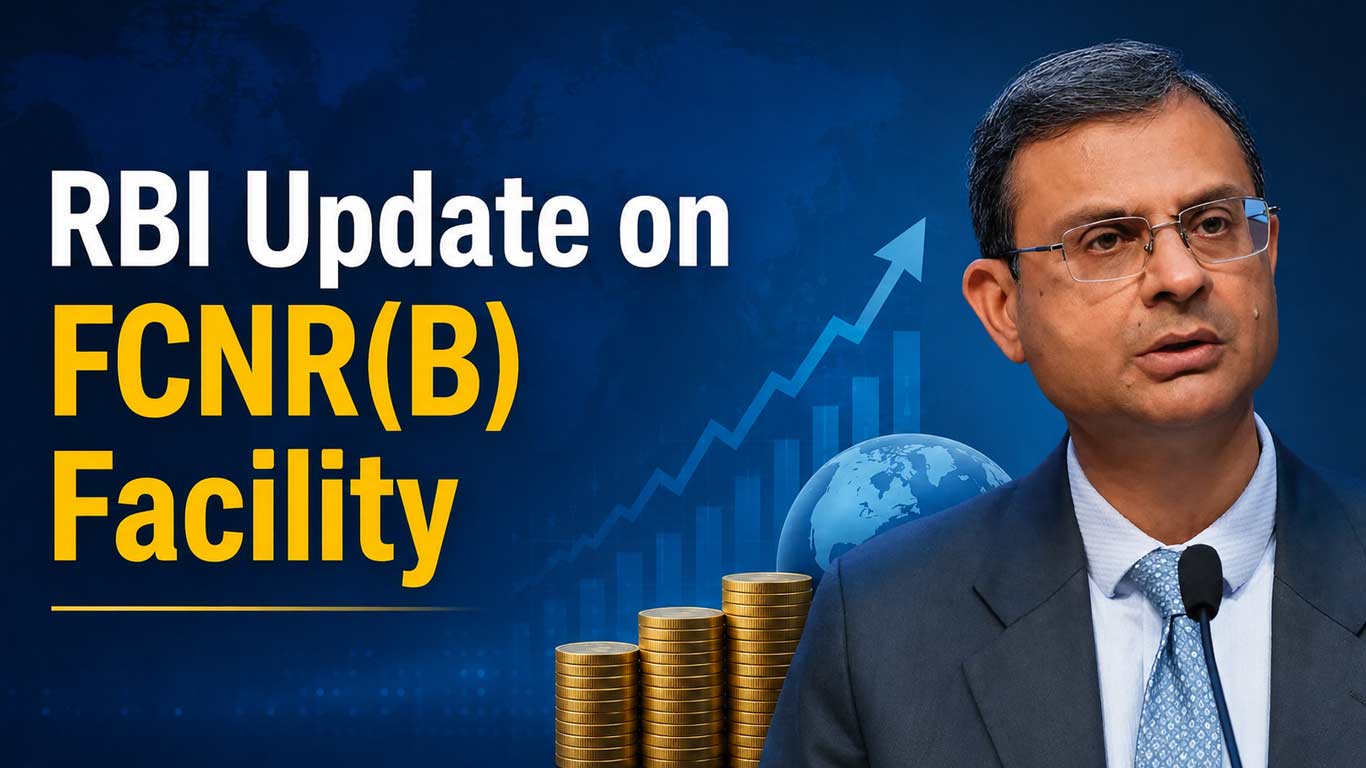
New Delhi, Aug 21 (KNN) Reserve Bank of India (RBI) Governor Sanjay Malhotra has defended the decision to advance the closure of the special Foreign Currency Non-Resident (Bank), or FCNR(B), swap facility by a month, calling it a ‘calibrated’ and ‘data-driven’ response to stronger-than-expected foreign currency inflows.
“It will not be correct to call it a U-turn; it is rather a calibration,” Malhotra said in an interview with the Financial Express.
He noted that his earlier statement that there was “as of now” no proposal to close the facility early reflected the situation at that time, which was still evolving.
The RBI expects the three foreign currency measures—FCNR(B), overseas foreign currency borrowings (OFCBs) and external commercial borrowings (ECBs)—to attract at least USD 80 billion.
Stronger-than-expected inflows had reduced the need for further swaps. “There is a diminishing marginal utility of every dollar that is swapped. At the same time, there is an increasing marginal cost because you need to sterilise it for a longer period,” Malhotra said.
He highlighted that stakeholders had been given more than two weeks to prepare for the early closure. The underlying objective of the facility—to attract foreign currency assets and strengthen India’s external position—remains unchanged.
External Position Strengthens
Foreign currency assets received through the swaps will be reflected on the RBI’s balance sheet, while the outstanding forward leg will remain an off-balance-sheet contingent liability.
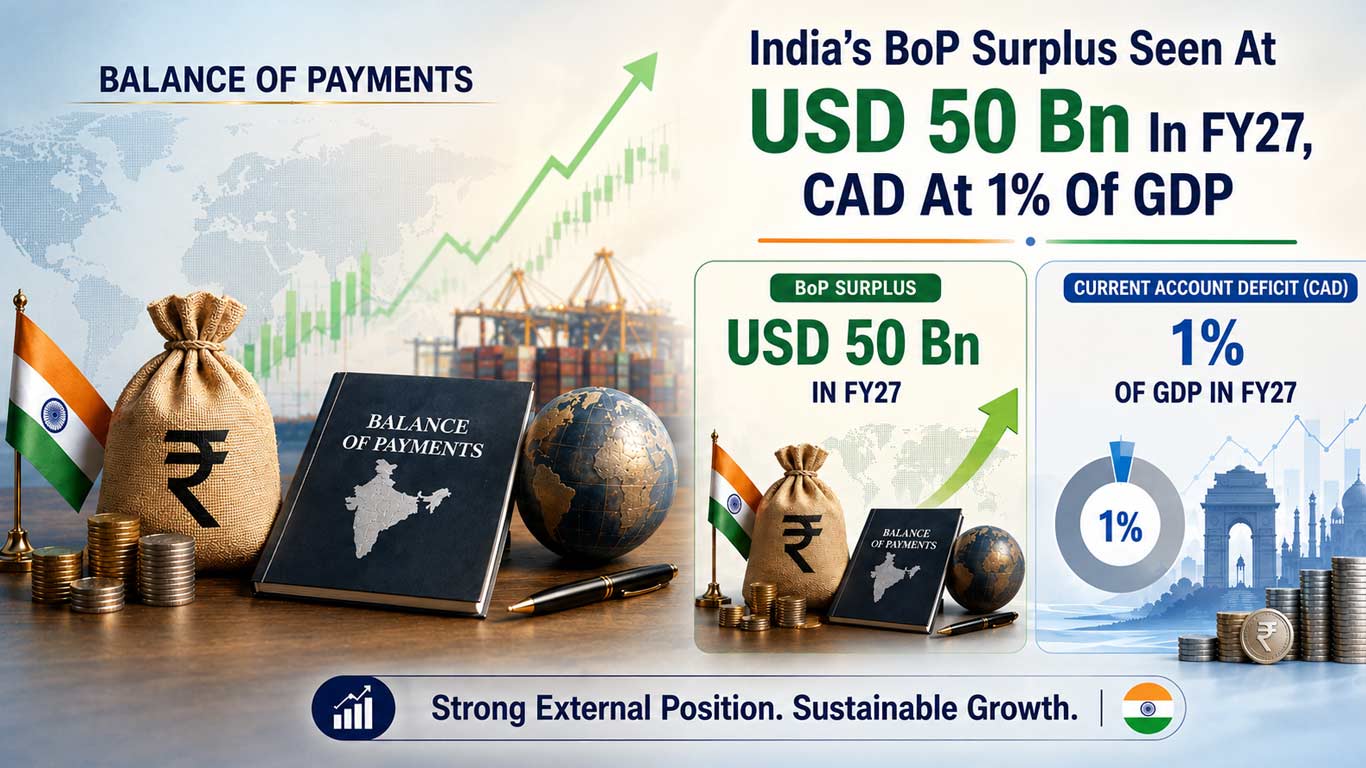
SBI Research expects India’s balance of payments to record a surplus of around USD 50 billion in FY27, with the current account deficit at about 1 per cent of GDP. It estimated that the FCNR(B) scheme had attracted around USD 57 billion, with another USD 25-30 billion potentially flowing in during the remaining days of August.
Malhotra said the RBI’s net short forward-dollar position remained “very manageable”, largely reflecting earlier liquidity swaps and the latest measures to strengthen the balance of payments. He added, “The exchange rate continues to be market determined. Our policy on intervention remains the same, which is to curb excessive volatility and any undue speculative activity.”
Growth, Inflation and Financial Stability
The RBI Governor emphasised that domestic growth and inflation would remain the main drivers of monetary policy, while global economic and geopolitical developments would also be considered.
He said that monsoon risks remained under watch, with rainfall about 12.6 per cent below normal and net sowing 2 per cent lower than last year. However, adequate food stocks, government measures and improved agricultural resilience were helping contain risks.
The governor also noted that the banking and non-banking financial sectors remained resilient. Banks had a capital adequacy ratio of nearly 18 per cent and a liquidity coverage ratio of around 127 per cent, while gross and net NPAs stood at 1.7 per cent and 0.4 per cent, respectively. RBI stress tests indicated sufficient resilience even under adverse conditions.
“As of now, we do not see any vulnerability in any particular sector,” Malhotra said. He added that the RBI was moving towards more principle-based regulation, with rules increasingly aligned with the risks and capabilities of regulated entities.
(KNN Bureau)







 Loading...


 Facility Closure a ‘Data-Driven’ Calibration, Not U-Turn: RBI Governor)