Gross NPAs in MSME, Retail Loans Decline Sharply; PSBs Strengthen Financial Health: Govt
Updated: Dec 17, 2025 01:35:17pm

Gross NPAs in MSME, Retail Loans Decline Sharply; PSBs Strengthen Financial Health: Govt
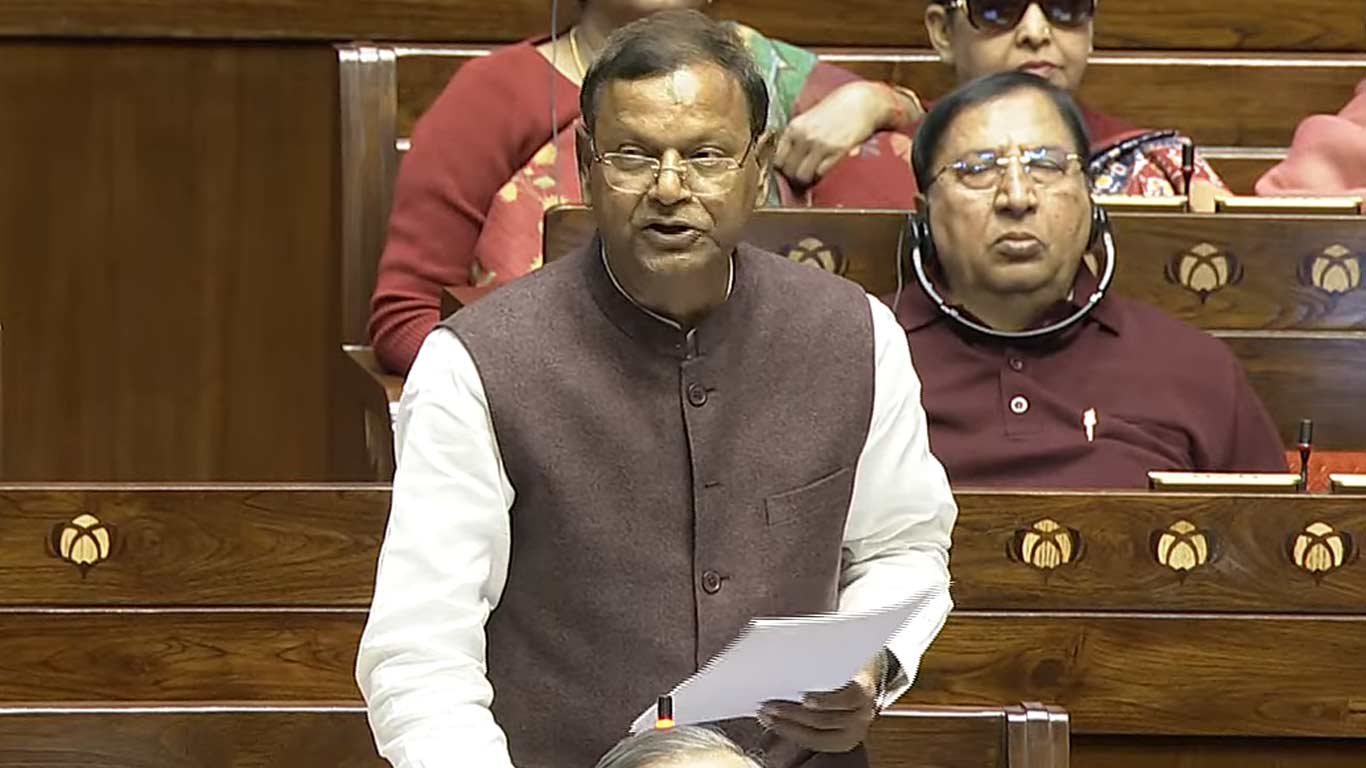
New Delhi, Dec 17 (KNN) The gross non-performing asset (NPA) ratio of scheduled commercial banks (SCBs) in MSME and retail loan segments has shown a steady decline, Minister of State for Finance Pankaj Chaudhary informed Parliament in a written reply.
Improving Asset Quality
According to RBI data, the gross NPA ratio in MSME loans fell from 9.87 percent in March 2021 to 3.27 percent as of September 2025. Similarly, NPAs in retail loans, declined from 2.22 percent to 1.13 percent over the same period.
However, the minister noted that within the retail segment, NPAs in personal loans rose from 0.92 percent in March 2023 to 1.28 percent in September 2025, while unsecured retail loan NPAs increased from 1.60 percent to 1.84 percent.
Despite this rise, both figures remain well below the overall gross NPA ratio of SCBs at 2.05 percent as of September 2025.
Sharp Fall in Slippages
RBI data shows that the slippage ratio in PSBs, new accretion to NPAs, has declined from 8.35 percent in March 2018 to 0.81 percent in September 2025. Improved credit appraisal has been a key factor behind this trend.
Wide-Ranging Banking Reforms
Highlighting systemic reforms, Chaudhary said the government has undertaken multiple measures to strengthen credit discipline, governance and risk management.
These include implementation of the Insolvency and Bankruptcy Code, setting up of the Central Repository of Information on Large Credits, early warning systems for stressed assets, and creation of the National Asset Reconstruction Company Ltd (NARCL).
Governance reforms in PSBs, EASE reforms, bank amalgamations, large-scale technology adoption, and legislative changes such as the Banking Regulation (Amendment) Act, 2020 and Banking Laws (Amendment) Act, 2025 have further strengthened the banking ecosystem.
Regulatory and Accounting Strengthening
To improve transparency and align with global standards, Indian Accounting Standards (IndAS) are being implemented in phases.
The National Financial Reporting Authority has been established to oversee audit quality, while RBI has introduced scale-based regulation for NBFCs and proposed an Expected Credit Loss framework to strengthen credit risk management.
(KNN Bureau)









 Loading...


