Govt extends deadline for implementation of new EV battery testing standards
Updated: Sep 28, 2022 08:10:26am

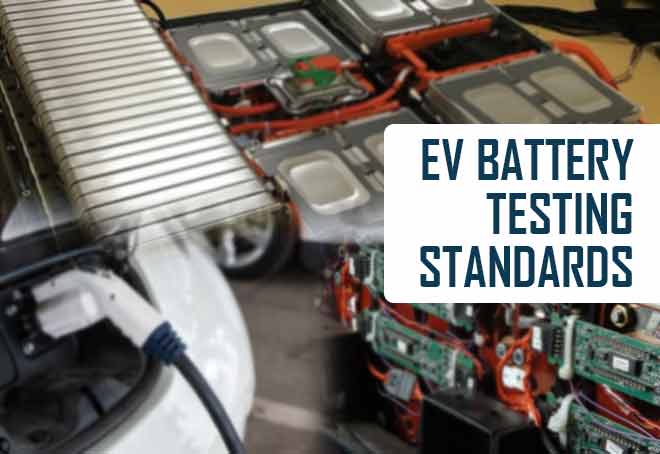
Govt extends deadline for implementation of new EV battery testing standards
New Delhi, Sept 28 (KNN) The Ministry of Road Transport & Highways (MoRTH) on Tuesday announced an extension for the implementation of the new electric vehicle battery testing standards.
This decision comes amid industry lobbying to the government for more time to implement the recently notified testing standards.

"For the OEMs to be better equipped to implement the provisions prescribed under the standards AIS-156 and AIS-038 (Rev 2), the Ministry has decided to implement the Amendment 3 of the said AIS, in two phases,” said MoRTH in a press statement.
The deadline set by the ministry for the implementation of phase one is December 1, 2022, whereas for phase 2, it is March 31, 2023. OEMs will be expected to meet different aspects of the new battery standards by these two deadlines.
The new rules were only notified on September 1, with less than a month given to the industry to switch over its entire manufacturing set-up, sourcing & certifications to a much stricter set of regulations.
Though the industry is confident the norms can be easily met and set a high benchmark for the developing EV industry, manufacturers point out that additional design and process-related requirements in the new standards will require a certain level of supply chain readiness, which could not have been achieved in only a month.
The new standards provision for stricter cell-level safety checks, ingress protection or better insulation, adequate spacing of individual cells in a battery pack, thermal propagation tests to ensure that a thermal runaway in one cell doesn't spread to other cells in the battery, temperature sensors which can send out audio-visual warnings to prevent thermal incidents, and smarter battery management systems (BMS) and chargers.
Further, specific rules around the testing of individual cells can make the manufacturing process itself significantly more time-consuming, and therefore costlier. A delegation of OEMs & battery makers had sought to defer the implementation of the new rules till March 2023, in a meeting with Union Minister for Road Transport & Highways, Nitin Gadkari last week. (KNN Bureau)











 Loading...


