Govt Taps ONGC For Rs 15,000 Cr Strategic Petroleum Reserve Project In Karnataka
Updated: Jun 19, 2026 04:22:56pm

Govt Taps ONGC For Rs 15,000 Cr Strategic Petroleum Reserve Project In Karnataka
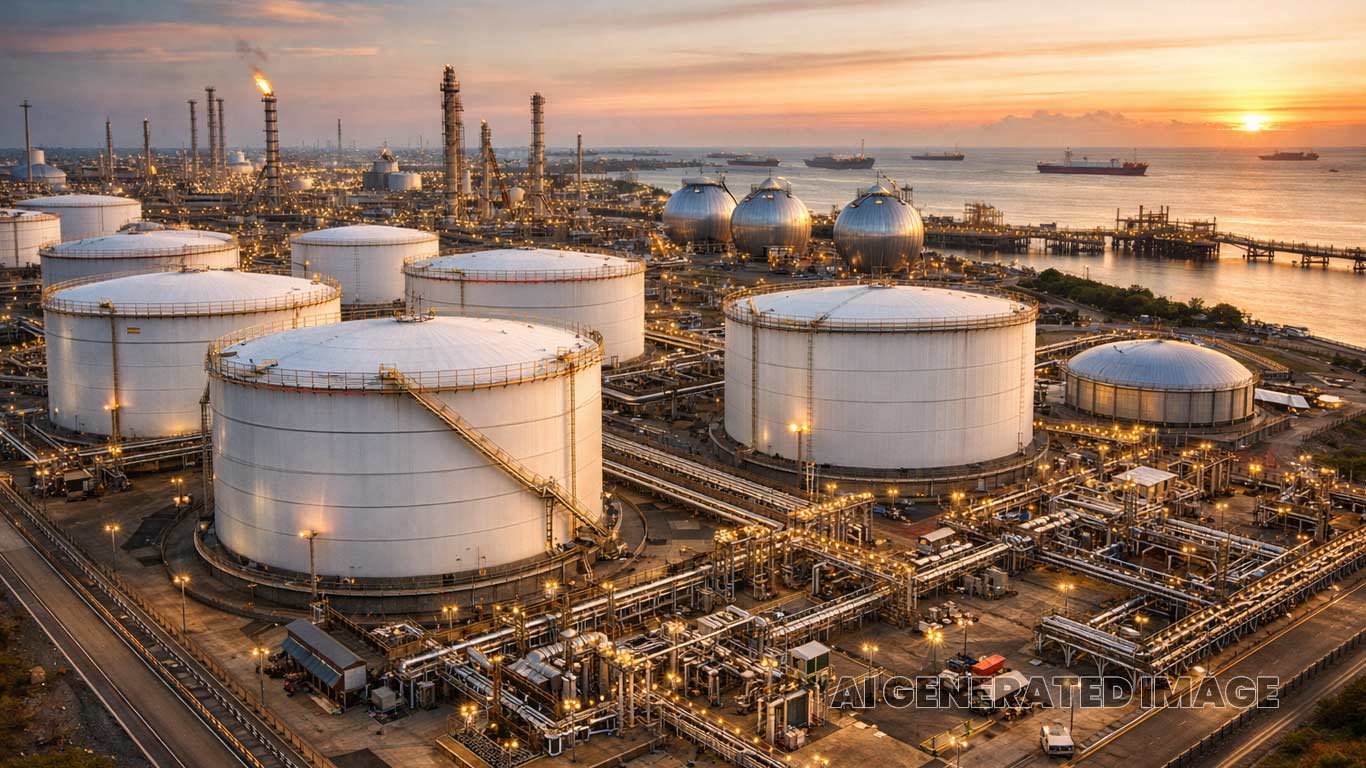
Bengaluru, Jun 19 (KNN) The government has asked Oil and Natural Gas Corporation (ONGC) to construct India's next strategic petroleum reserve (SPR), marking a shift in how the country develops its emergency crude oil stockpiles.
The proposed 1.75 million metric tonne (MMT) underground crude storage cavern at Mangaluru in Karnataka is estimated to cost around Rs 15,000 crore, according to a report by The Economic Times.
State-run ONGC, which already owns the land earmarked for the project, is expected to spend nearly Rs 5,000 crore on construction, with a further Rs 10,000 crore required to fill the facility with crude oil at current prices. If completed, the project would expand India's existing strategic storage capacity of 5.33 MMT by roughly one-third.
This marks the first time a state-owned oil producer has been asked to build a strategic petroleum reserve.
India's existing SPR facilities were funded by the government and are operated by Indian Strategic Petroleum Reserve Limited (ISPRL); under the new model, ONGC would finance and construct the asset using its own balance sheet.
India's Reserves Remain Modest Compared to Global Peers
India currently operates three strategic petroleum reserve facilities with a combined capacity of 5.33 MMT, or about 39 million barrels, located at Visakhapatnam in Andhra Pradesh, and Mangaluru and Padur in Karnataka.
The country consumes around 5 million barrels of oil daily, making its emergency reserves relatively modest by global standards.
Citing data from the US Energy Information Administration, ET noted that India held about 21 million barrels of strategic crude stocks at the end of 2025, compared with approximately 1,397 million barrels held by China, 413 million barrels by the United States and 263 million barrels by Japan.
Import Dependence and Shipping Route Vulnerabilities
India is the world's third-largest energy consumer and depends on imports for nearly 88 per cent of its crude oil requirements, leaving it exposed to geopolitical tensions in major oil-producing regions. A significant share of these imports pass through strategically sensitive maritime routes, including the Strait of Hormuz, the Bab-el-Mandeb Strait and the Malacca Strait.
While Joint Secretary in the Ministry of Petroleum and Natural Gas (MoPNG) Sujata Sharma has said that nearly 70 per cent of India's crude imports now originate from sources outside the Strait of Hormuz, policymakers continue to regard supply diversification and larger emergency reserves as essential safeguards.
Second Phase of SPR Expansion
The government had earlier approved a second phase of SPR expansion in 2021 through a public-private partnership (PPP) model, comprising a 4 MMT facility at Chandikhol in Odisha and a 2.5 MMT facility at Padur in Karnataka.
Under the revised policy, ISPRL can lease 30 per cent of storage capacity to refiners or traders and use another 20 per cent for trading activities, while retaining emergency access for the government. The model aims to improve the financial viability of strategic storage assets while ensuring availability during crises.
(KNN Bureau)





 Loading...