IBC Cannot Be Used As Debt Recovery Tool In Contractual Disputes: Supreme Court
Updated: May 12, 2026 05:33:43pm

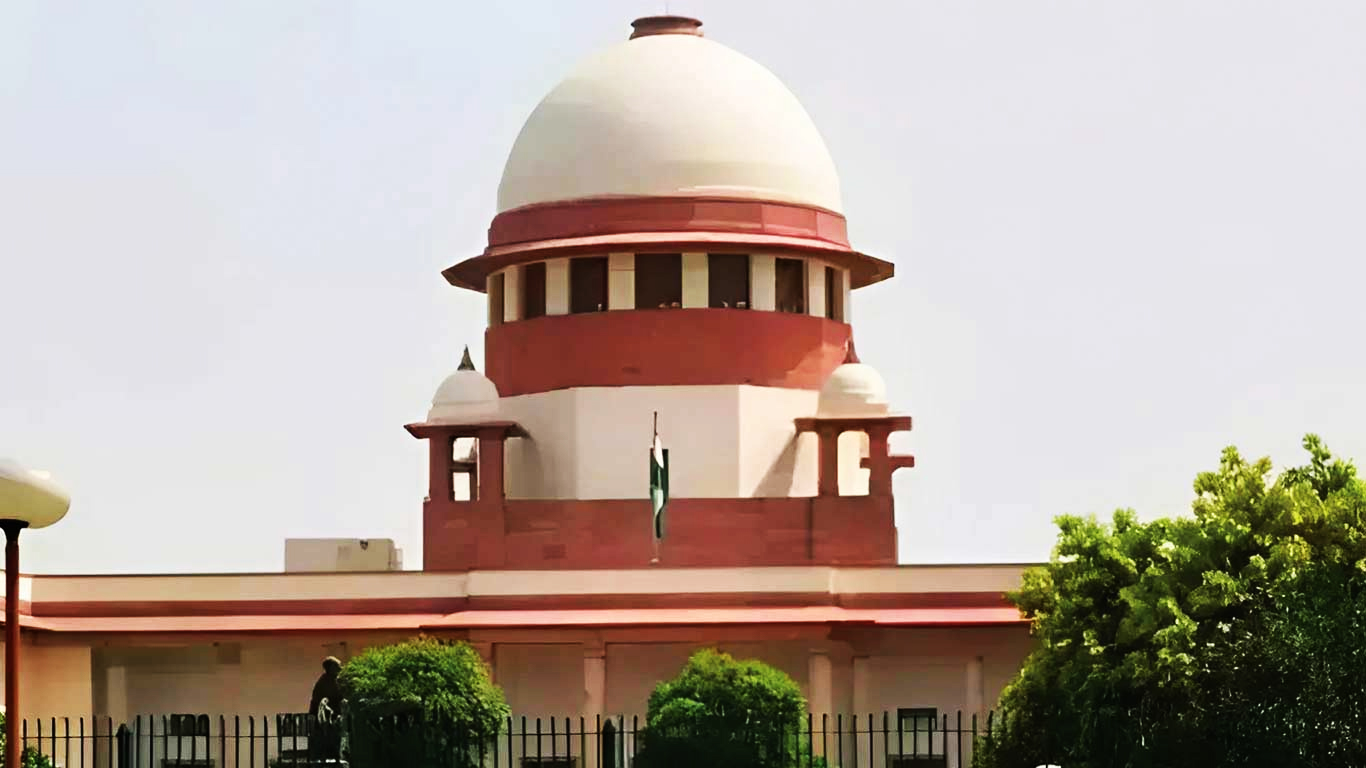
IBC Cannot Be Used As Debt Recovery Tool In Contractual Disputes: Supreme Court
New Delhi, May 12 (KNN) The Supreme Court has observed that the Insolvency and Bankruptcy Code (IBC), 2016, cannot be invoked as a mechanism for recovery of dues, particularly in cases involving predominantly contractual disputes.
A bench comprising Justices Pamidighantam Sri Narasimha and Alok Aradhe was hearing an appeal filed by Dhanlaxmi Bank. The case arose from a transaction where the bank disbursed Rs 1.34 crore directly to a builder for a property purchase by a corporate debtor, rather than transferring the funds to the debtor itself.
Proceedings Across Multiple Forums
After the borrower’s account was classified as a non-performing asset (NPA), the bank initiated recovery proceedings before the Debt Recovery Tribunal. It later pursued winding-up proceedings, which were subsequently treated as an application under Section 7 of the IBC for initiating the Corporate Insolvency Resolution Process (CIRP).
While the National Company Law Tribunal (NCLT) admitted the CIRP, the decision was set aside by the National Company Law Appellate Tribunal (NCLAT), prompting the bank to approach the Supreme Court.
Top Court Upholds NCLAT Ruling
Dismissing the appeal, the apex court upheld the NCLAT’s findings, noting that the transaction involved intertwined obligations among the bank, the builder, and the corporate debtor.
The court observed that the loan disbursement was directly linked to the builder’s performance in constructing and transferring the property.
It held that such an arrangement could not be treated as a straightforward financial creditor-debtor relationship under the IBC framework.
Warning Against Misuse of Insolvency Law
The court emphasised that allowing insolvency proceedings in such cases would effectively convert the IBC into a coercive recovery mechanism, which is not its intended purpose.
It clarified that where proceedings are initiated merely to enforce payment rather than address genuine financial distress, such use would amount to an abuse of process.
In view of these observations, the Supreme Court dismissed the appeal, reinforcing the principle that the IBC is meant for resolution of insolvency and not for recovery of contractual claims.
(KNN Bureau)








 Loading...