Delhi High Court Bar Protests Proposal To Raise District Courts' Pecuniary Jurisdiction
Updated: Jul 16, 2026 01:50:15pm

Delhi High Court Bar Protests Proposal To Raise District Courts' Pecuniary Jurisdiction
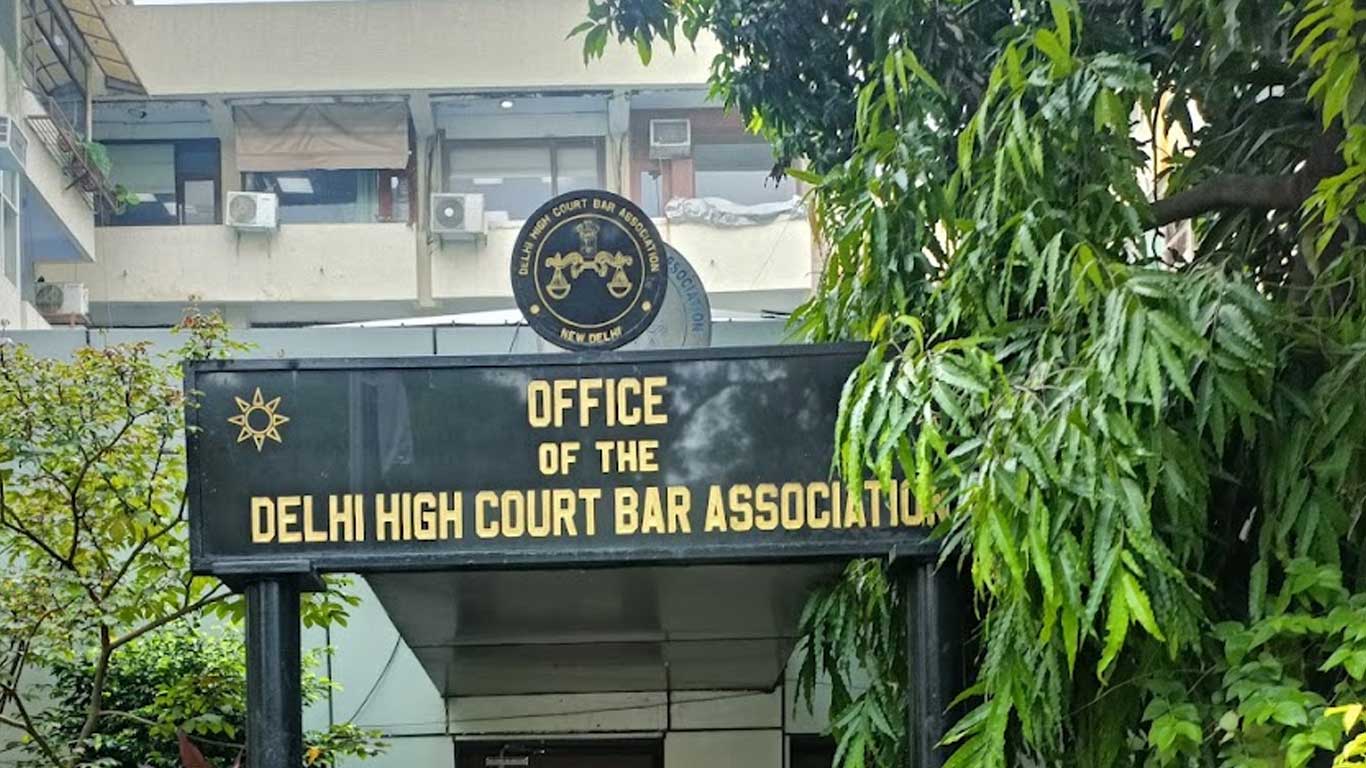
New Delhi, Jul 16 (KNN) The Delhi High Court Bar Association (DHCBA) abstained from work on Tuesday to protest the proposed increase in the pecuniary jurisdiction of Delhi's district courts from Rs 2 crore to Rs 10 crore, arguing that the move would adversely affect advocates and the functioning of the High Court.
DHCBA Observes One-Day Abstention
DHCBA President and Senior Advocate N. Hariharan appealed to lawyers appearing before different benches of the Delhi High Court to refrain from court proceedings in support of the Bar Association's protest.
Addressing a Bench led by Justice Navin Chawla, Hariharan urged advocates to stand with the association's cause, while clarifying that he was not seeking to interrupt court proceedings.
The Bench observed that it was not compelling any lawyer to argue matters on the day.
A similar appeal was made before the Bench of Justice Harish Vaidyanathan Shankar, where Hariharan requested lawyers to cooperate with the one-day abstention. Justice Shankar remarked that while the Bar Association was performing its role, the court's responsibility was to continue hearing and disposing of cases.
Bar Opposes Jurisdictional Expansion
The protest follows a resolution adopted by the DHCBA after the Full Court of the Delhi High Court considered the proposal to enhance the pecuniary jurisdiction of district courts despite the association's opposition.
According to the Bar Association, increasing the pecuniary limit would have far-reaching implications for the justice delivery system and negatively impact the practice and livelihood of advocates appearing before the High Court.
Association Warns Of Impact On High Court
The DHCBA also contended that the proposal would substantially reduce the High Court's original civil jurisdiction, with nearly 70 percent of its Original Side cases likely to be transferred to district courts if the revised jurisdictional limit is implemented.
(KNN Bureau)







 Loading...