Parties Cannot Bypass Limitation To Challenge MSE Facilitation Council Awards: Karnataka High Court
Updated: Sep 16, 2026 12:25:43pm

Parties Cannot Bypass Limitation To Challenge MSE Facilitation Council Awards: Karnataka High Court
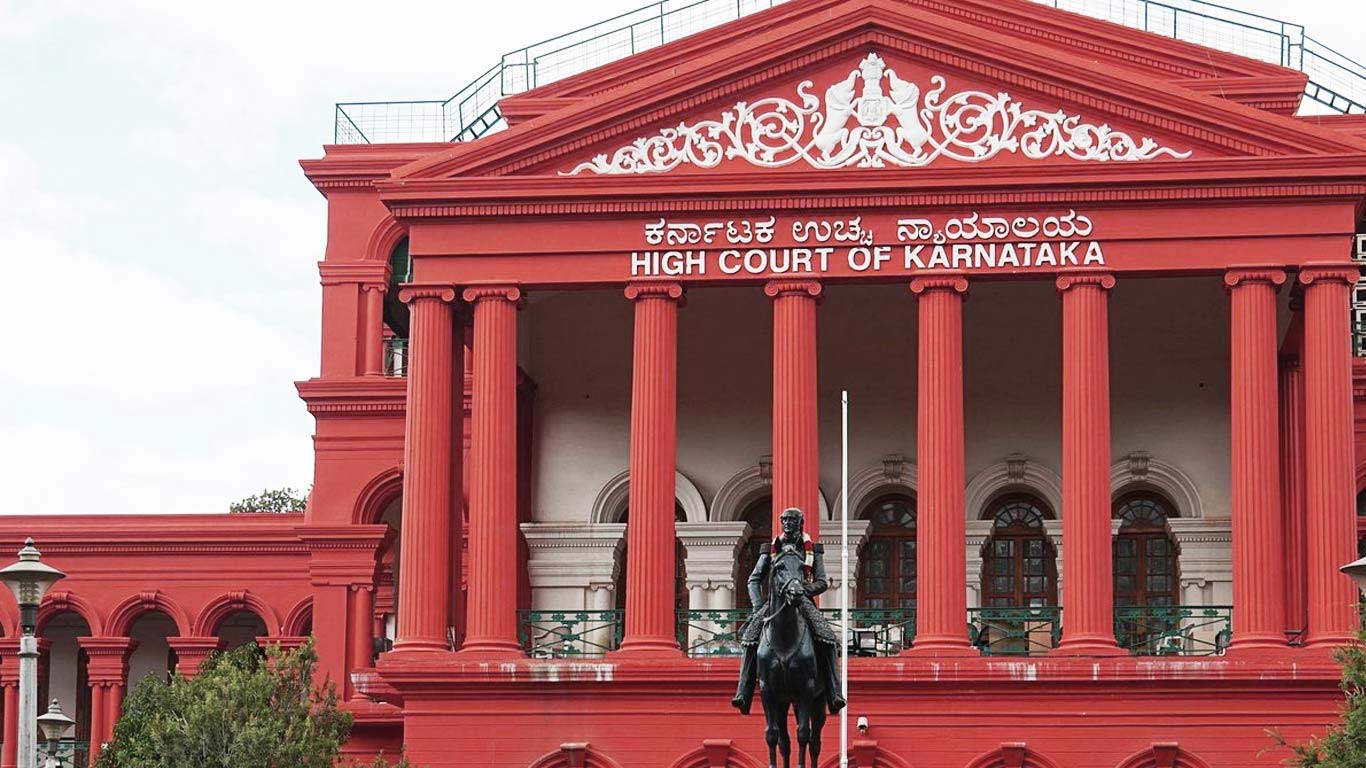
Bengaluru, Sep 16 (KNN) The Karnataka High Court has held that parties cannot bypass the statutory limitation for challenging an arbitral award passed by the Micro and Small Enterprises Facilitation Council by invoking Article 226 writ jurisdiction for a merits review.
A Division Bench of Chief Justice Vibhu Bakhru and Justice K.S. Hemalekha held that the State’s challenge to the Rs 29.32 lakh award in favour of Connoiseur Electronics Pvt. Ltd. should not have been entertained on merits.
The Bench said the State could not circumvent the limitation period by bypassing the statutory remedy under Section 34 of the Arbitration and Conciliation Act, 1996.
State Approached HC After Limitation Expired
The High Court noted that the State challenged the Facilitation Council’s award on merits without raising any jurisdictional objection or explaining why it had not pursued the statutory remedy under Section 34.
A Single Judge examined the matter on merits and dismissed the petition in June 2024, finding no error in the Council’s award. The Division Bench held that the Single Judge should not have examined the merits and should instead have rejected the writ petition at the threshold.
Supreme Court Reference Does Not Alter Position
The State relied on the Supreme Court’s reference in Tamil Nadu Cements Corporation Limited v. Micro and Small Enterprises Facilitation Council, which is examining when writ petitions can be entertained against Facilitation Council awards.
It also cited India Glycols Limited v. Micro and Small Enterprises Facilitation Council, which held that writ petitions under Articles 226 and 227 were not maintainable when the statutory remedy under Section 34 was available.
The Karnataka High Court said the broader issue before the Supreme Court did not arise in the present case, as the State had challenged the award on merits after the limitation period expired.
The Bench held that India Glycols remained binding and allowed the writ appeal to the limited extent of holding that the State’s writ petition should not have been entertained on merits.
Impact on MSMEs
The ruling strengthens the enforceability of MSME Facilitation Council awards by preventing parties from bypassing statutory timelines through writ petitions. This can help MSMEs secure payments more efficiently, reduce prolonged litigation and improve cash-flow certainty.
(KNN Bureau)






 Loading...