India Needs Indigenous Cold Chain Tech To Boost Logistics And Cut Imports: FICCI–Grant Thornton Report
Updated: Mar 20, 2026 03:45:07pm

India Needs Indigenous Cold Chain Tech To Boost Logistics And Cut Imports: FICCI–Grant Thornton Report
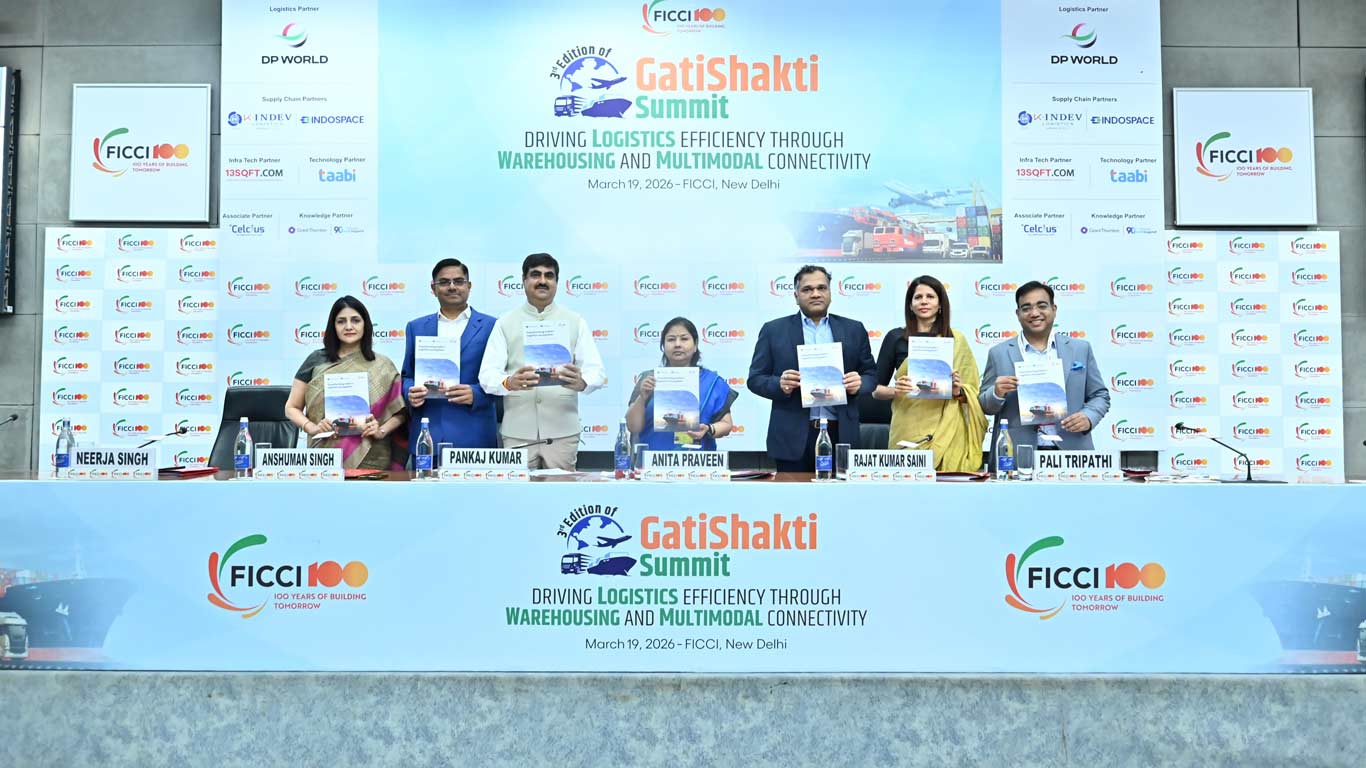
New Delhi, Mar 20 (KNN) India must develop indigenous technologies such as robotics, sensors, and artificial intelligence tailored to domestic conditions to reduce dependence on imports and strengthen its cold-chain infrastructure, according to a report by FICCI and Grant Thornton Bharat.
The report, ‘Transforming India’s Logistics Ecosystem: Warehousing, Cold Chain and Role of Technology’, calls for the creation of a national R&D centre for cold-chain automation. It states that the next phase of logistics development should move beyond capacity creation to improving system efficiency.
Department for Promotion of Industry and Internal Trade (DPIIT) Joint Secretary Pankaj Kumar emphasised that logistics efficiency should be assessed beyond cost, including resilience and sustainability, and called for greater use of integrated planning platforms.
While India has reduced logistics costs to around 7.9 per cent of GDP from earlier levels of 13–14 per cent, the report identifies indigenous technology development as critical for future competitiveness.
Infrastructure Gaps and Losses Persist
Managing Director and CEO, National Industrial Corridor Development Corporation (NICDC), Rajat Kumar Saini, underlined the importance of aligning infrastructure growth with workforce development, regulatory reforms, and skill enhancement.
India currently has over 8,800 cold storage facilities with a combined capacity exceeding 402 lakh metric tonnes. However, post-harvest losses in fruits and vegetables remain between 6 and 15 per cent.
The report attributes these losses to limited automation, fragmented supply chains, and inadequate integration of technology across storage and transport systems, rather than infrastructure shortages alone.
Policy and Industry Perspectives
Anita Praveen, Chairperson, Warehousing Development and Regulatory Authority, highlighted the potential of electronic negotiable warehousing receipts to improve storage utilisation and enable farmers to access financing without distress sales.
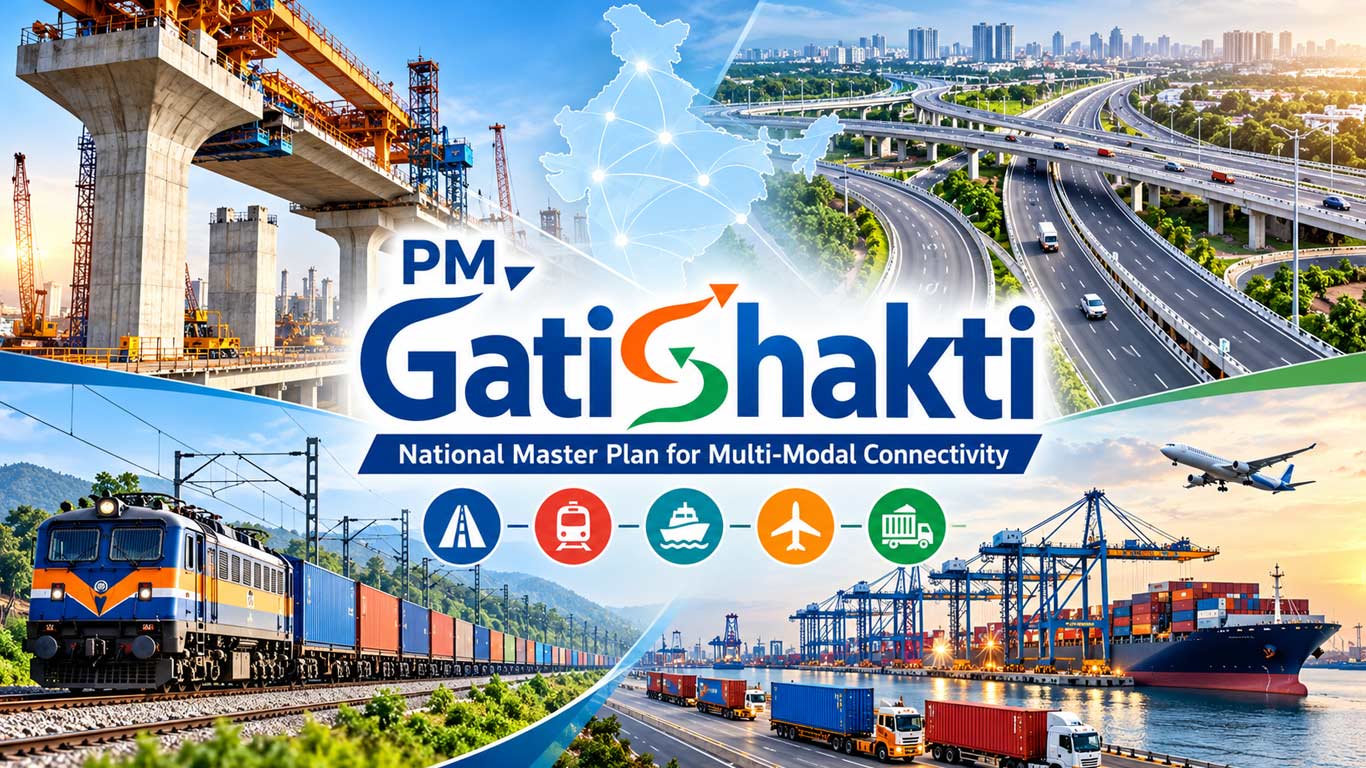
Anshuman Singh, Co-Chair, FICCI Committee on Logistics and Managing Director and CEO, IndoSpace, noted that India’s logistics infrastructure is expanding rapidly, with warehousing capacity expected to grow significantly in the coming years. He cited initiatives such as PM GatiShakti, the National Logistics Policy, and the proposed Rs 33,660 crore Bhavya Yojana as key drivers of growth.
Pali Tripathi, Co-Chair, FICCI Committee on Logistics and CEO, Taabi Mobility, identified last-mile execution and coordination across logistics networks as major challenges, stressing the need for faster and integrated decision-making.
Way Forward
The report concludes that building indigenous cold-chain technology capabilities will be essential for improving efficiency, reducing costs, and enhancing resilience. It positions domestic innovation as key to developing a globally competitive and sustainable logistics ecosystem in line with India’s long-term economic goals.
(KNN Bureau)








 Loading...


