Ministry Of Steel Hosts Chintan Shivir To Advance Green Steel In Secondary Sector
Updated: Feb 17, 2026 04:37:48pm


Ministry Of Steel Hosts Chintan Shivir To Advance Green Steel In Secondary Sector
New Delhi, Feb 17 (KNN) The Ministry of Steel organised a one-day Chintan Shivir at National Institute of Secondary Steel Technology (NISST) to hold deliberations on green steel production, with particular emphasis on the secondary steel sector.
The event brought together representatives from the government, central public sector enterprises (CPSEs), industry associations and technical experts to discuss the importance, challenges and opportunities associated with decarbonising secondary steel production.
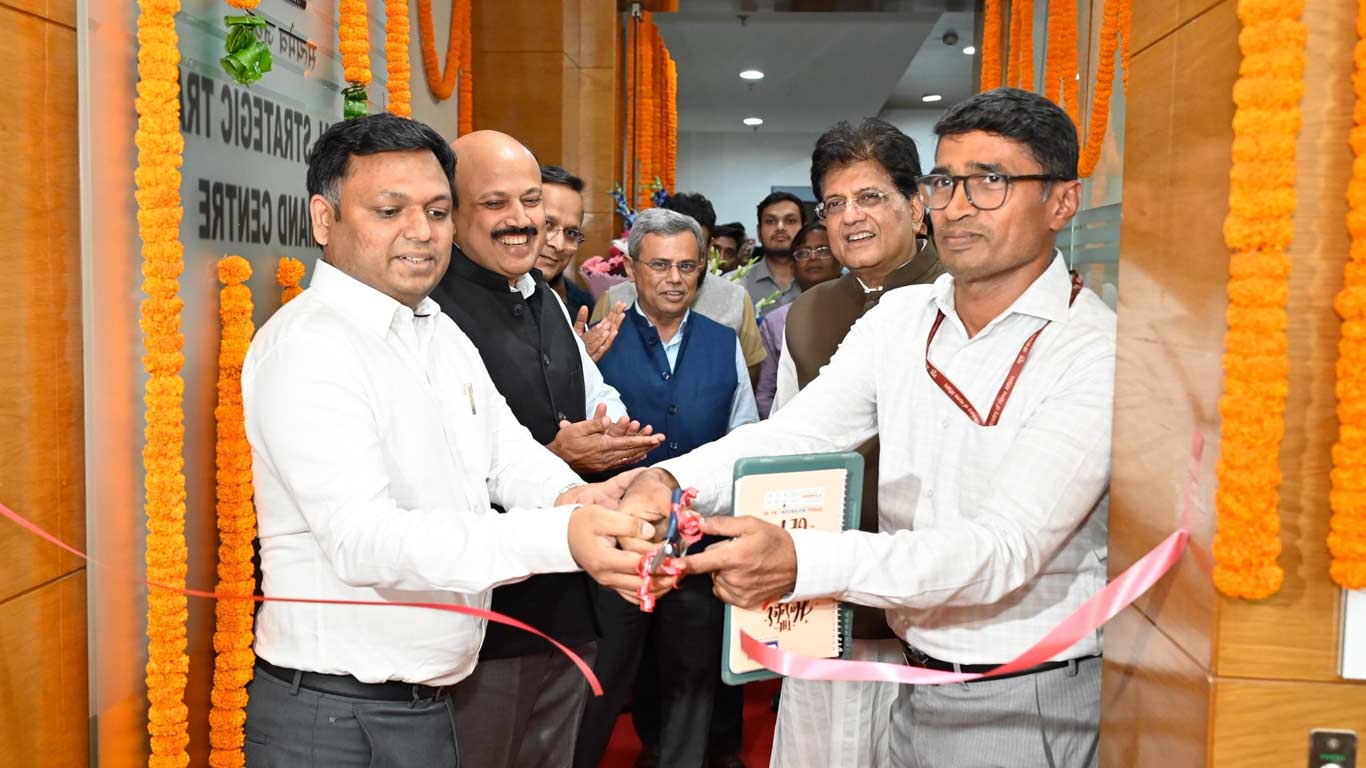
The Shivir was inaugurated by Sandeep Poundrik, Secretary, Ministry of Steel. In his address, the Secretary highlighted that the secondary steel sector accounts for nearly 47 per cent of India’s total steel production.
He noted that India continues to witness an annual growth rate of 8–10 per cent in steel production, consumption and installed capacity, positioning it uniquely among major steel-producing nations.
Poundrik commended NISST for its role in strengthening the secondary steel ecosystem through regular capacity-building initiatives. He informed participants that NISST has been designated as the nodal agency for green steel certification and has so far issued certificates to 76 industries, covering a production capacity of 10.98 million tonnes.
The Ministry, he added, is working on an incentive scheme aimed at supporting technology upgrades in the secondary steel sector to reduce carbon emissions.
Daya Nidhan Pandey, Joint Secretary, Ministry of Steel and Chairman, NISST, also underscored the institute’s role in sectoral capacity building.
The Chintan Shivir 2026 featured technical sessions on emerging low-carbon technologies in steelmaking. Discussions included green hydrogen injection in blast furnaces to reduce CO₂ emissions, hydrogen use in rotary kiln-based ironmaking, and deployment of Battery Energy Storage Systems (BESS) to optimise renewable energy utilisation and reduce grid dependence.
Participants also examined vertical shaft-based direct reduced iron (DRI) production using water gas as a reductant to enable fuel flexibility and lower emissions. Export prospects for alloy steel products were reviewed, alongside challenges posed by mechanisms such as the Carbon Border Adjustment Mechanism (CBAM).
The deliberations focused on advancing green steel technologies, identifying innovation pathways and addressing structural challenges in the transition towards low-carbon steel production.
The forum facilitated an exchange of perspectives among policymakers, industry stakeholders and technical experts, with the objective of accelerating India’s progress towards sustainable and environmentally responsible steel manufacturing.
(KNN Bureau)


 Loading...