States Shift Focus To Power, Water And Sustainability In Data Centre Investment Push
Updated: Jul 13, 2026 03:38:02pm

States Shift Focus To Power, Water And Sustainability In Data Centre Investment Push
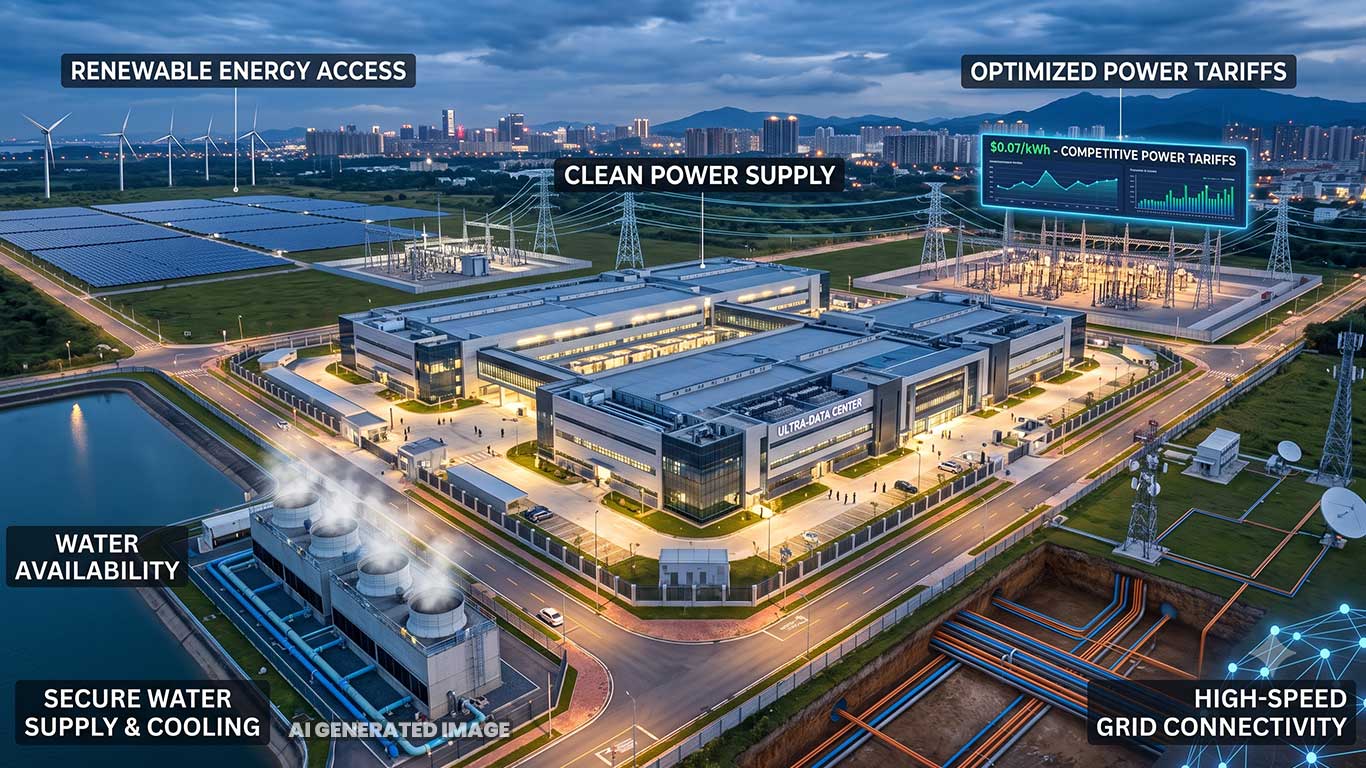
New Delhi, Jul 13 (KNN) India’s competition to attract data centre investments is moving beyond traditional incentives such as land and tax benefits, with states increasingly focusing on power tariffs, renewable energy access, water availability and grid connectivity.
The shift comes as demand from artificial intelligence, cloud computing and hyperscale infrastructure drives the next phase of growth in the sector.
Installed data centre capacity in the country is projected to rise from around 2.5 GW at present to between 8.5 GW and 9.5 GW by 2030, while demand could reach 7–8 GW. The sector is expected to account for up to 8 per cent of incremental peak electricity demand, making reliable power supply and efficient cooling systems central to investment decisions, FE reported.
State Policies Intensify Competition
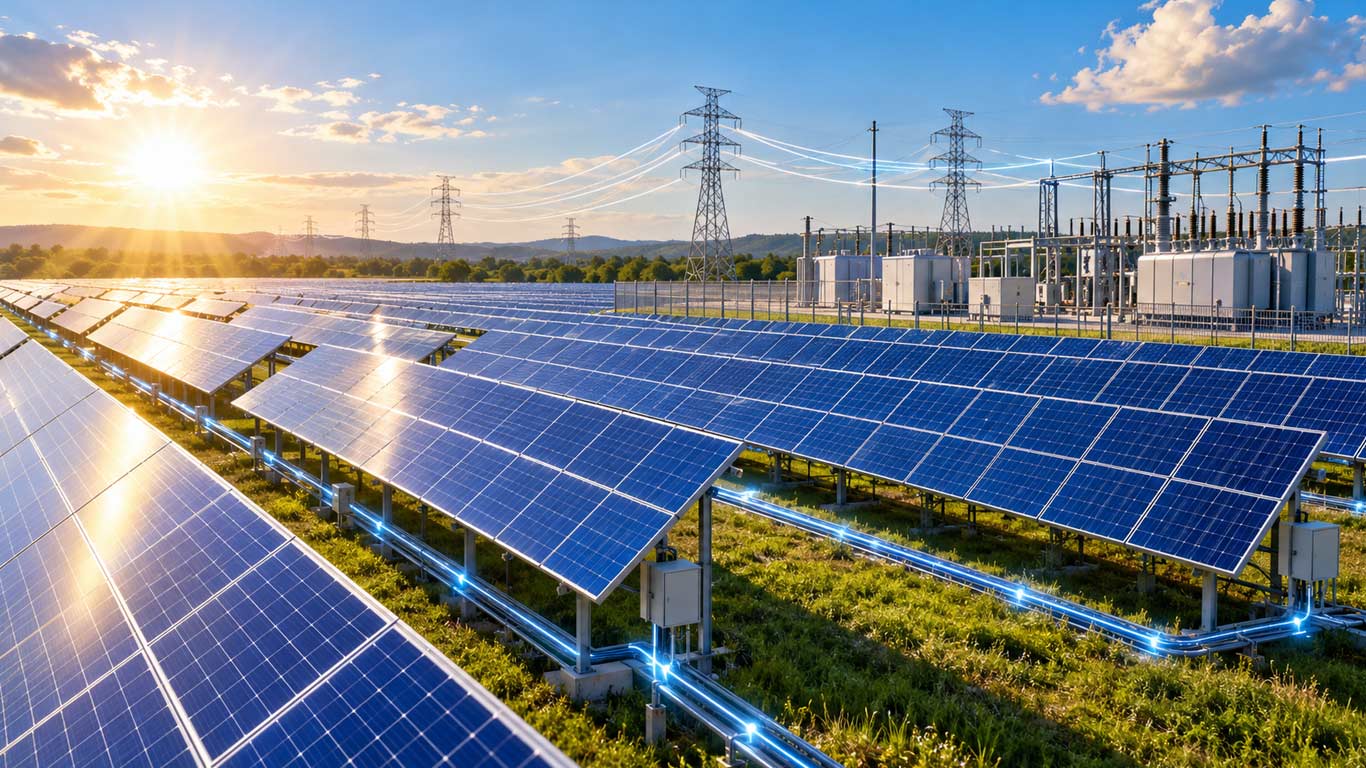
Uttar Pradesh’s draft Data Centre Policy 2026 aims to attract investments exceeding Rs 2 lakh crore and add 2 GW of capacity, with a target of sourcing at least half of the energy requirement from renewable sources by 2030.
The policy offers a mix of financial incentives, including interest subsidies, land subsidies and electricity-duty exemptions, along with support for grid connectivity.
Gujarat has set an ambitious target of Rs 6 lakh crore in investments and 7.5 GW of capacity under its 2026–29 policy. It provides long-term power tariff subsidies, duty reimbursements and financial support for renewable energy adoption, including provisions for desalination projects to address water needs.
Maharashtra has expanded its green data centre parks initiative statewide, offering electricity subsidies linked to investment size and additional incentives such as capital and interest subsidies. The state has also moderated its renewable energy requirements, reflecting a balance between sustainability goals and operational flexibility.
Other states, including Andhra Pradesh and Tamil Nadu, are offering customised support for large projects, focusing on infrastructure such as dual-grid power supply, water access and logistics. These measures are designed to attract large-scale investments while ensuring operational reliability.
Power Costs and Water Security Take Centre Stage
Industry experts note that electricity remains the largest operating cost for data centres, making tariff concessions and duty waivers critical factors in site selection. However, the cost and accessibility of renewable energy, along with charges for power transmission, continue to influence investment viability.
Water availability is also emerging as a key consideration. Coastal states are promoting desalination, while others are encouraging zero-liquid discharge systems and water recycling to ensure sustainable operations.
Long-Term Stability Key for Investors
Analysts highlight that while incentives are becoming more competitive, their long-term stability is crucial given the 15–20-year lifespan of data centre assets. India’s ability to provide large-scale clean energy supply within a relatively short timeframe is seen as a competitive advantage compared to many developed markets.
Overall, the evolving policy landscape reflects a broader shift towards creating a sustainable and reliable ecosystem for data centre growth, as states compete to secure a share of the country’s expanding digital infrastructure market.
(KNN Bureau)









 Loading...


