Supreme Court Upholds Email-Based Consent in Arbitration Agreements, Sets Aside Delhi HC Ruling
Updated: Aug 26, 2025 05:03:31pm

Supreme Court Upholds Email-Based Consent in Arbitration Agreements, Sets Aside Delhi HC Ruling
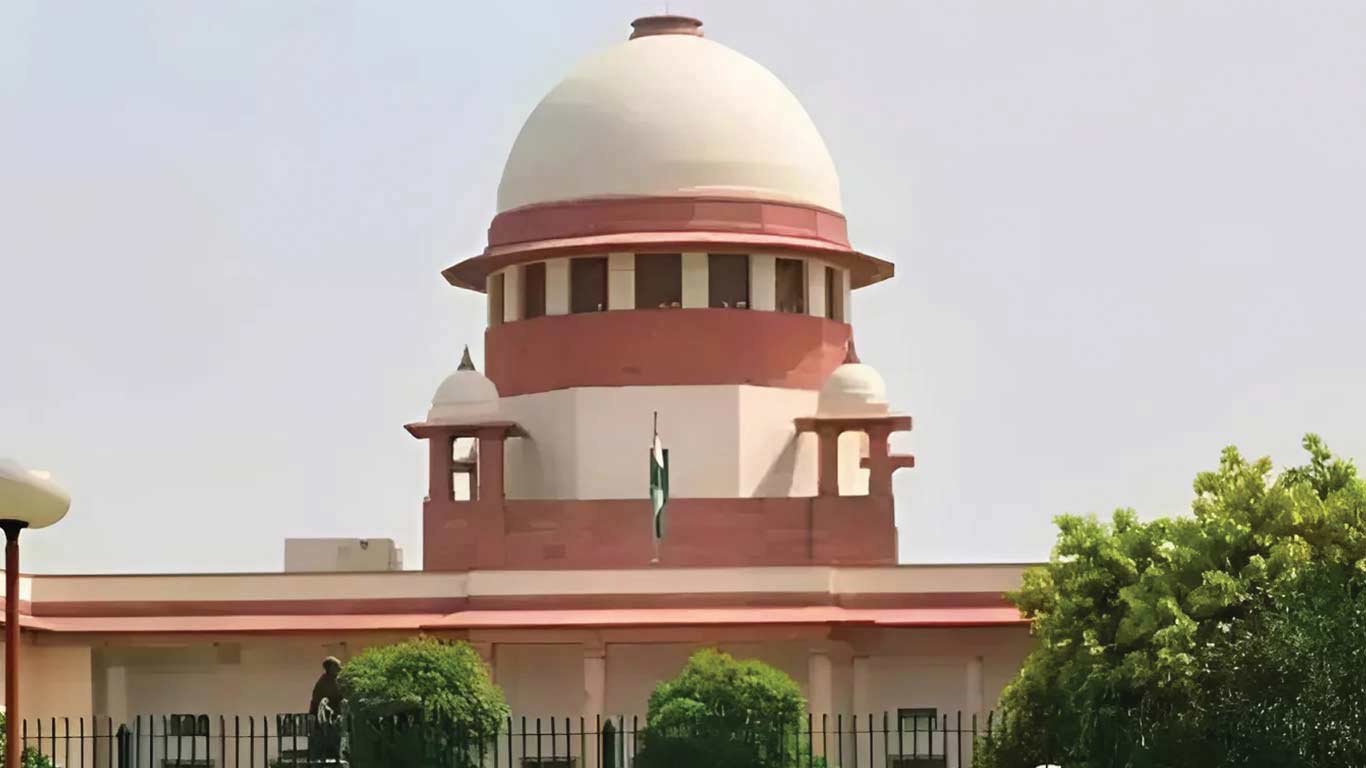
New Delhi, Aug 26 (KNN) The Hon’ble Supreme Court in a recent judgement observed that when parties to the Arbitration Agreement have mutually consented to the Arbitration Agreement, non-signing of the agreement would not make it ineffective or inoperative merely because one of the parties has not physically signed the agreement.
While setting aside Delhi High Court judgement that declined to refer an arbitration as one of the parties did not sign the arbitration agreement the apex court noted that when parties to the agreement have agreed to the terms of the arbitration agreement merely not signing it does not invalidate it.
The Apex court further observed that since the respondent No.1 in the case of Glencore International AG Versus M/S. Shree Ganesh metals and Another has already shared his consent via email, The High Court’s stance to not refer the agreement for arbitration cannot be upheld.
The Supreme Court observed that Section 7(4) only added that an arbitration agreement could be found in the circumstances mentioned in the three sub-clauses that make up Section 7(4) but that did not mean that, in all cases, an arbitration agreement needs to be signed. It was held that the only pre-requisite is that it should be in writing, as pointed out in Section 7(3).
The Apex Court’s judgement has upheld email-based consent subject to the fact that parties are on same page with respect to the Arbitration Clause. Subsequently the court restored the matter to the High Court to be referred for Arbitration.
The judgement is particularly beneficial for MSMEs which often enter into contracts through emails or informal agreements. The ruling makes it easier for MSMEs to enforce dispute resolution clauses without the technicalities of formal signatures and consents.
(KNN Bureau)








 Loading...