TRAI Proposes New Framework to Simplify Broadcasting Regulations Under Telecom Act, 2023
Updated: Feb 22, 2025 05:25:24pm

TRAI Proposes New Framework to Simplify Broadcasting Regulations Under Telecom Act, 2023
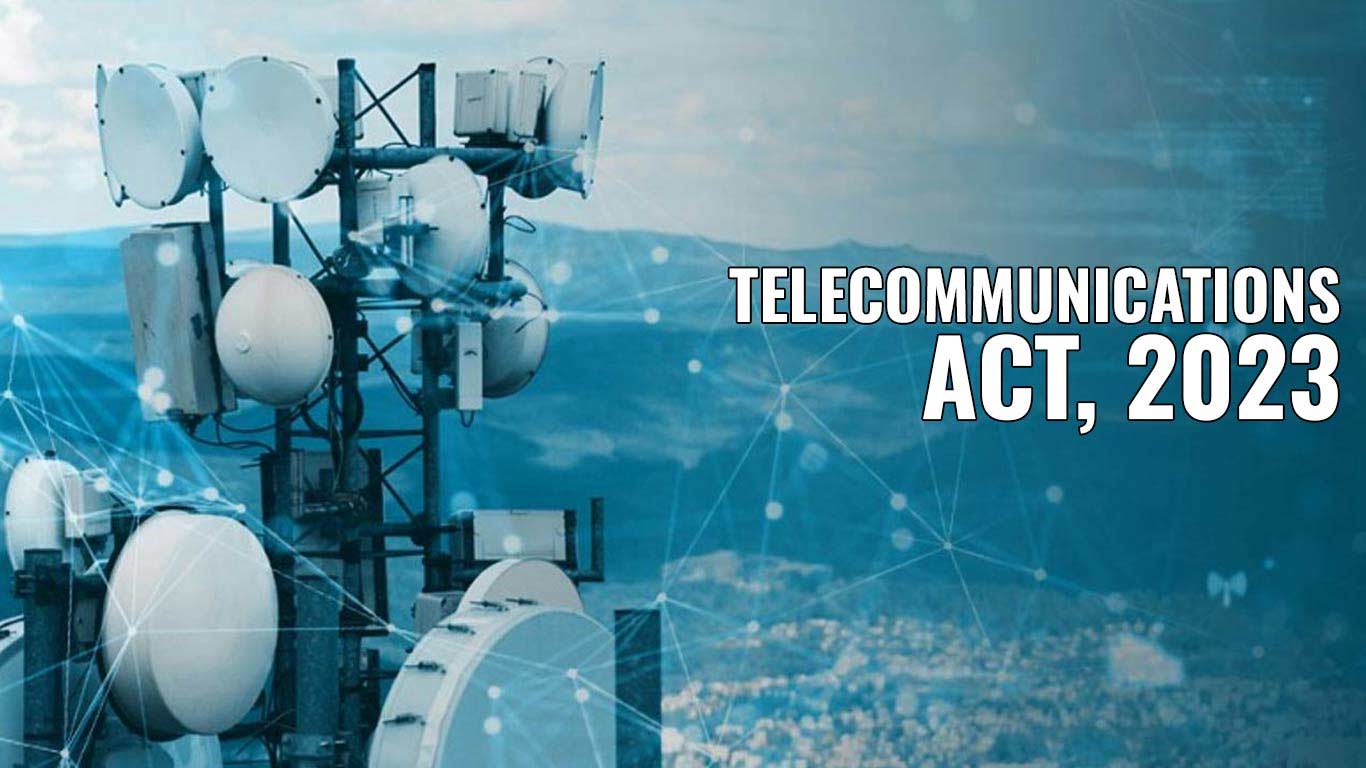
New Delhi, Feb 22 (KNN) The Telecom Regulatory Authority of India (TRAI) has unveiled its recommendations for a revamped framework governing broadcasting services under the Telecommunications Act, 2023.
This marks a significant shift from the century-old Indian Telegraph Act, 1885, aiming to streamline licensing, reduce regulatory burdens, and foster innovation in India’s broadcasting sector.
The new framework proposes a two-tier authorisation system: one outlining conditions for obtaining service authorisations and another detailing compliance requirements for broadcasters.
This shift replaces the traditional licensing model, aligning broadcasting regulations with modern telecommunication policies.
Key changes include simplified processes for authorising services such as Direct-to-Home (DTH), FM Radio, Community Radio Stations (CRS), and television channel uplinking/downlinking.
TRAI also introduced two new service categories—Ground-based Broadcasting of a Television Channel and Low Power Small Range Radio Service—to expand broadcasting options and accessibility.
To ease financial pressures, TRAI has recommended a substantial reduction in authorisation fees. The DTH fee, currently at 8 per cent of Adjusted Gross Revenue (AGR), is proposed to drop to 3 per cent, with a complete waiver post-2026-27.
For radio broadcasting, a uniform 4 per cent AGR fee is suggested, with a lower 2 per cent rate for broadcasters in the Northeastern states, Jammu & Kashmir, and island territories for the first three years.
Additionally, the framework encourages voluntary infrastructure sharing between broadcasters and telecom service providers to reduce operational costs. TRAI also proposed standards for interoperable set-top boxes to boost consumer choice and cut electronic waste.
In a move towards digital transformation, the recommendations advocate for technology-agnostic radio broadcasting, enabling the adoption of digital transmission methods. Terrestrial radio stations would also be allowed to stream content online without user control.
With an emphasis on modernisation, cost efficiency, and market accessibility, TRAI’s proposals aim to create a dynamic and competitive broadcasting landscape.
The government will now review these recommendations before finalising the new authorisation rules, potentially ushering in a more growth-oriented era for India’s broadcasting industry.
(KNN Bureau)








 Loading...