SC Says Loan Recovery Processes For Ordinary Borrowers Should Be Fairer
Updated: May 21, 2026 03:34:39pm

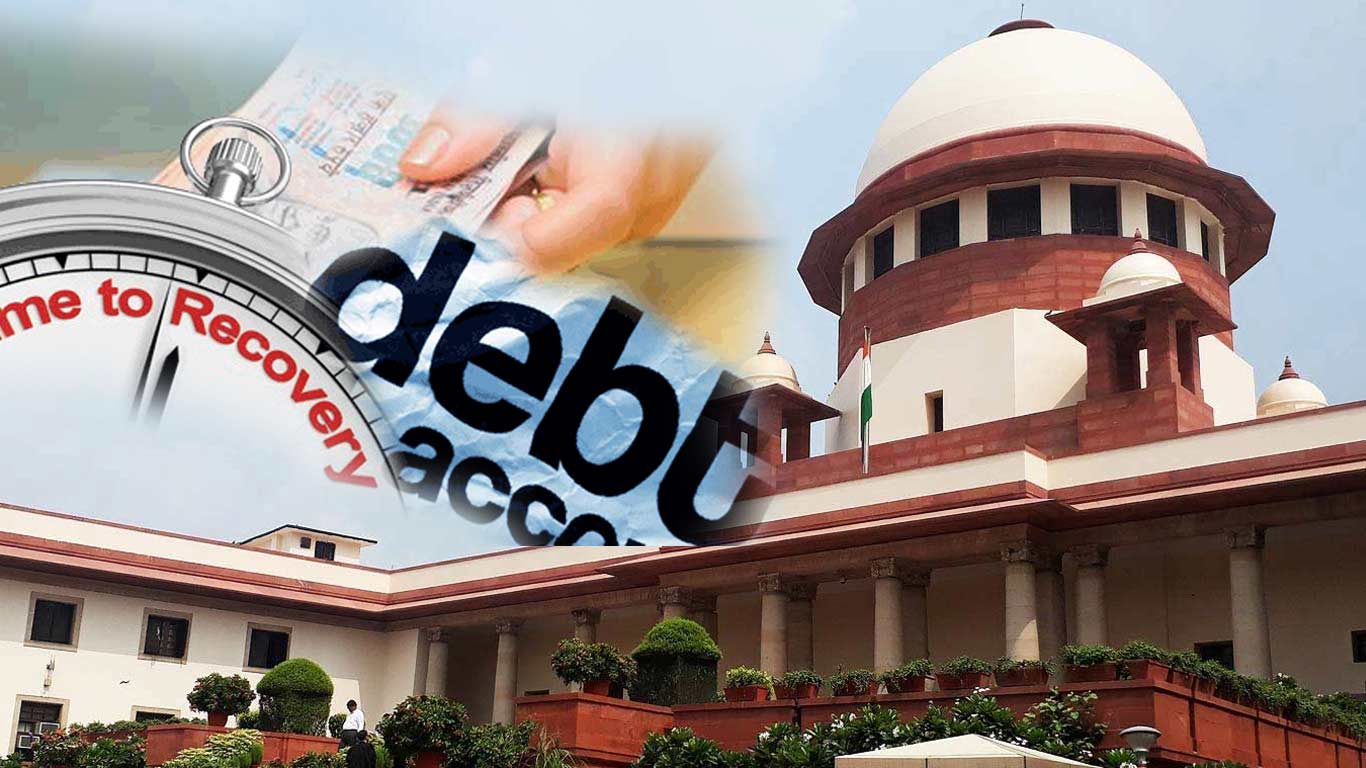
SC Says Loan Recovery Processes For Ordinary Borrowers Should Be Fairer
New Delhi, May 21 (KNN) The Supreme Court of India has observed that banks are often casual while sanctioning large loans to big companies, but impose far stricter scrutiny on ordinary borrowers, in some cases leading to ‘borderline harassment’.
The observations were made by a bench comprising Justice Ahsanuddin Amanullah and Justice R. Mahadevan while hearing a plea filed by Bhaskar International Private Limited against recovery proceedings initiated by the State Bank of India (SBI).
Apex Court Questions SBI’s Due Diligence
The case related to a loan of Rs 8.09 crore sanctioned by SBI to the company in 2019. According to the court, the borrower defaulted on the very first installment and failed to repay the dues for six years, after which the bank initiated proceedings to take possession of the company’s properties.
The bench observed that SBI appeared negligent in assessing the borrower’s repayment capacity before sanctioning the loan.
It further remarked that banks, including SBI, often appear casual while granting large loans to big entities, but impose far stricter conditions and cumbersome procedures on ordinary individuals seeking small personal loans, which in some cases may amount to ‘borderline harassment.’
Court Says Recovery Processes Should Be Fairer For Small Borrowers
The matter reached the apex court after the company challenged an order passed by the High Court in January 2025 allowing execution of a District Magistrate’s order in favour of SBI for taking possession of the secured properties.
During the hearing, Senior Advocate Nachiketa Joshi, appearing for the company, argued that the classification of the loan account as a non-performing asset (NPA) was arbitrary as the petitioner had offered to repay the principal amount.
Opposing the plea, Additional Solicitor General Archana Pathak Dave, appearing for SBI, submitted that the conduct of the petitioner did not inspire confidence and pointed out that the company had already approached the Debt Recovery Tribunal (DRT) regarding the execution proceedings.
The court observed that the offer to repay the principal amount after six years of default could not be accepted at such a late stage, while also noting apparent negligence by State Bank of India officials in sanctioning a Rs 8.09 crore loan despite the borrowers defaulting from the very first instalment.
The bench dismissed the Special Leave Petition (SLP) but granted status quo on the properties for two weeks to enable the petitioner to seek interim relief before the DRT.
It clarified that its remarks should not be seen as advocating relaxation of banking norms, stating that lending policies fall within the domain of the Reserve Bank of India (RBI) and banks concerned.
At the same time, the court said procedures for ordinary borrowers could be made ‘easier and fairer’ both during loan processing and recovery proceedings.
It further observed that concessions and incentives should be designed to benefit individuals at the lowest social and financial levels and asked the ASG to convey its concerns to SBI.
Impact on MSMEs
The Supreme Court’s observations highlight concerns over unequal lending practices, which could encourage banks to adopt fairer and more balanced loan assessment procedures for MSMEs and small borrowers. Easier and more transparent lending and recovery processes may improve MSMEs’ access to credit, while also prompting stricter due diligence for large corporate loans to reduce financial risks in the banking system.
(KNN Bureau)







 Loading...